
Why Choose Power Green Energy Solutions for Global Sourcing?
Global sourcing in the energy sector demands more than competitive pricing. It requires verified performance, dependable communication, and clear evidence of responsible production. Power green energy solutions can help international buyers evaluate renewable technologies with greater confidence. The right partner should explain product specifications, factory capacity, testing procedures, and delivery limits in plain language. For example, a sourcing review may examine solar panel cell efficiency, inverter protection ratings, battery cycle life, and packaging strength. These details matter when equipment crosses oceans and faces different climates.
Experience also shows that sustainability claims need careful checking. Reliable suppliers can provide technical datasheets, independent test reports, traceable material records, and relevant certifications. They should answer practical questions about warranty support, spare parts, installation guidance, and after-sales response times. Small details reveal operational maturity. A damaged carton, unclear serial number, or delayed certificate can disrupt an entire project. No sourcing plan is flawless. That lesson matters. Buyers may still face changing freight costs, inconsistent regional standards, or production delays. A professional supplier acknowledges these risks instead of hiding them. Power green energy solutions should therefore be assessed through documented evidence, site audits, sample testing, and transparent contracts. Expert advice helps, but independent verification remains essential. With disciplined evaluation, global buyers can build resilient supply chains and select renewable energy products that match real project conditions, not attractive promises alone.

Global Sourcing Context: Renewables Reached 30% of Global Power in 2023
Why Choose an Experienced Green Energy Sourcing Partner?
Renewables supplied 30% of global power in 2023, according to widely cited international energy data. This milestone is changing factories, logistics, pricing, and supplier selection. Global sourcing now requires more than comparing product costs. It requires understanding energy reliability, carbon exposure, and regional regulations. An experienced energy solutions partner can assess solar, wind, storage, and grid options across markets. It can also check whether supplier claims match production records, certificates, and site conditions. That practical verification matters when sustainability language sounds too polished.
A strong sourcing process connects energy planning with daily operations. For example, a warehouse roof may support solar panels, but roof strength, maintenance access, and seasonal sunlight still need review. Battery storage can protect production during short outages, though its cost may weaken the original business case. Early forecasts are sometimes wrong. That is why transparent assumptions and independent technical checks are essential. Teams should request performance data, installation references, warranty terms, and clear service responsibilities before committing.
Tips: Compare total energy costs, not only purchase prices. Inspect one real project when possible. Ask who maintains the equipment after installation. Recheck forecasts after the first operating season. A small pilot may reveal problems that a large spreadsheet misses.
Solar Market Rationale: Solar PV Added About 346 GW Worldwide in 2023
Global solar PV capacity grew by about 346 GW worldwide in 2023, based on widely cited industry tracking data. This growth reflects falling module costs, expanding manufacturing capacity, and rising demand for cleaner electricity. For global sourcing teams, the expanding market can improve product availability and support faster project planning. Yet scale alone does not guarantee quality. That point matters.
Reliable sourcing requires more than comparing quotations. A capable energy partner should verify factory records, product certificates, traceability, and delivery performance. Technical reviews should cover efficiency ratings, temperature behavior, warranty terms, and installation conditions. Regional climate also matters. Dust, humidity, salt air, and snow can reduce long-term output. Independent inspections and sample testing provide stronger evidence before large purchases. In practice, attractive prices sometimes hide costly assumptions. Those assumptions deserve careful review.
Tips: Request batch-level documents, not only a sales brochure. Compare the total delivered cost, including transport, duties, testing, installation, and maintenance. Ask for a realistic production schedule and clear quality checkpoints. Keep a small contingency. It may seem inefficient, but rushed sourcing often creates higher costs later. Recheck every critical number.
Supplier Selection: Assess IEC Compliance, LCOE, Capacity Factors, and Traceability
Global sourcing in renewable energy should begin with evidence, not attractive brochures. IEC compliance is a practical screening tool. For solar equipment, review IEC 61215 and IEC 61730 test coverage, factory quality records, and certification validity. Wind projects require careful checks against IEC 61400-1. A certificate alone is not enough. Confirm the tested model, production site, and applicable market requirements.
Levelized cost of electricity helps compare offers beyond purchase price. IRENA’s Renewable Power Generation Costs in 2023 reported global weighted-average LCOE of about USD 0.044 per kWh for utility-scale solar and USD 0.033 for onshore wind. These figures are benchmarks, not guarantees. Financing, curtailment, grid connection, maintenance, and replacement parts can change the result. Capacity factor also matters. A cheaper asset may produce less energy in real weather. That mistake is common.
Tips: Request hourly production assumptions, degradation rates, availability guarantees, and a transparent LCOE model. Compare the same currency and project lifetime. Traceability should reach the component level. Use serial-number records, approved supplier lists, factory audits, and chain-of-custody documents. Recent supply-chain disruptions showed why this matters. The IEA’s Global Critical Minerals Outlook 2024 also highlights growing exposure to concentrated mineral processing. Data can still be incomplete. Leave room for independent verification, especially when recycled-content claims or origin records seem unusually perfect.
Why Choose Power Green Energy Solutions for Global Sourcing?
Supplier selection benchmark: compare levelized cost of energy, capacity factors, IEC compliance requirements, and traceability evidence.
Verify applicable IEC standards, accredited test reports, factory quality controls, and product certification before approval.
Lower LCOE improves long-term cost efficiency, while a higher capacity factor indicates more consistent annual generation.
Require batch-level records for materials, manufacturing, testing, shipment, installation, and after-sales service.
Rounded public benchmark values: LCOE is shown as the midpoint of widely reported 2024 unsubsidized ranges in USD/MWh; capacity factors are representative technology benchmarks. Actual results vary by site, financing, resource quality, and project design.
Cross-Border Procurement: Align Customs, Lead Times, ESG, and Scope 2 Reporting
Why Choose Power Green Energy Solutions for Global Sourcing?
Cross-border procurement requires more than comparing renewable energy prices. Experienced teams check HS codes, import permits, Incoterms, and destination-country requirements before shipment. A missing document can hold equipment at a port for days. Clear supplier records also support reliable audits and safer purchasing decisions.
Lead times must match installation schedules, grid studies, and project financing. A strong sourcing process tracks factory capacity, inspection dates, ocean routes, and backup options. It also measures ESG performance through supplier questionnaires, energy data, labor standards, and traceable materials. These checks are practical, but they are not perfect. A rushed forecast can still create expensive delays.
Tips: Request customs documents early. Confirm product classifications locally. Add realistic buffer days. Ask suppliers for verified emissions data. For Scope 2 reporting, separate location-based and market-based calculations. Keep contracts, energy attribute certificates, delivery records, and consumption data together. Reporting rules differ across jurisdictions, so independent review is wise. Small data gaps can weaken a credible report.
Investment Evaluation: Compare Lifecycle Costs Across 25-Year Solar Projects
Why Choose Power Green Energy Solutions for Global Sourcing?
A 25-year solar project should be judged by lifecycle cost, not purchase price alone. Equipment, freight, installation, monitoring, repairs, insurance, and recycling all affect the final return. A low-cost panel may require earlier replacement or create higher maintenance expenses. That difference can reshape project value over time. Experienced sourcing teams compare energy yield, degradation rates, warranty terms, and supplier stability. They also check local certifications and grid requirements before signing contracts. Small compliance gaps can cause expensive delays. Real projects rarely follow perfect spreadsheets. Weather, currency changes, and port congestion can weaken original estimates.
Tips: Build three cost scenarios: expected, conservative, and stressed. Include inverter replacement, cleaning, spare parts, and worker training. Ask suppliers for five-year service records, not only sales forecasts. Review payment terms and delivery responsibilities carefully. A clear responsibility matrix prevents costly disputes.
Global sourcing becomes more reliable when buyers evaluate value across the full operating period. Compare suppliers using cost per generated kilowatt-hour, rather than unit price. Request test reports from independent laboratories where practical. Verify production capacity before placing large orders. Site visits can reveal storage conditions that documents miss. I have found that transparent assumptions matter more than impressive projections. Some models still overlook downtime or local labor costs. Revising those assumptions early creates a more credible investment decision. A durable solar system is not simply affordable today. It must remain financially sensible through changing conditions.
Related Posts
-
Top 10 Renewable Power Solutions for Global Buyers
-

Top 10 Energy Solutions for Sustainable Global Procurement?
-
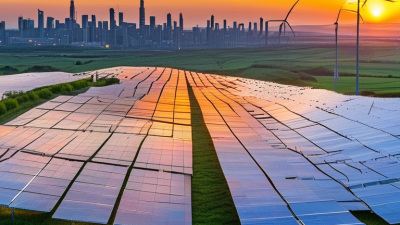
2026 Top Energy Solutions for Global Buyers to Explore?
-

China Best Green Power Energy Solutions for Global Buyers?
-

Top 10 Green Power Solutions for Sustainable Business Growth?
-
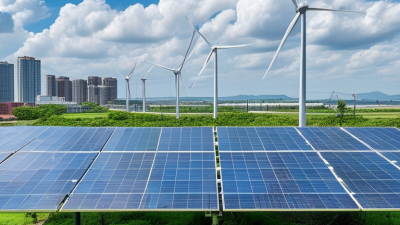
Top 10 Types of Clean Green Energy Solutions for Buyers
CORPORATE HEADQUARTERS
North America
California
AGIC Energy North America LLC
13025 Danielson Street, Suite 105
Poway, CA 92064 – USA
Phone Number: +1 (858) 842 1513
Email: info@site_cc52bd27-560c-4f9d-bd66-63718fc42539
Sales: sales@site_cc52bd27-560c-4f9d-bd66-63718fc42539