Why Are Renewable Energy Storage Solutions Essential for a Sustainable Future?
In today's world, the urgency for sustainable energy solutions is paramount. Renewable energy storage solutions play a crucial role in achieving this goal. Dr. Sarah Thompson, a leading expert in renewable energy technology, states, “Effective storage is the backbone of a clean energy future.” As we shift from fossil fuels to renewable sources, storing energy becomes essential.
Current renewable technologies, like solar and wind, generate power intermittently. Without efficient storage, excess energy is lost when demand is low. This inefficiency can hinder transitions to greener energy systems. Renewable energy storage solutions help resolve this issue by capturing surplus energy for later use. They enhance grid reliability and support energy independence.
While advancements in energy storage have been significant, challenges remain. Costs, technology scalability, and resource availability must be addressed. Continual improvements in battery technology and other storage methods are necessary. Innovation and investment in renewable energy storage solutions will help pave the way for a sustainable future while reducing our environmental footprint.
The Role of Renewable Energy in a Sustainable Future
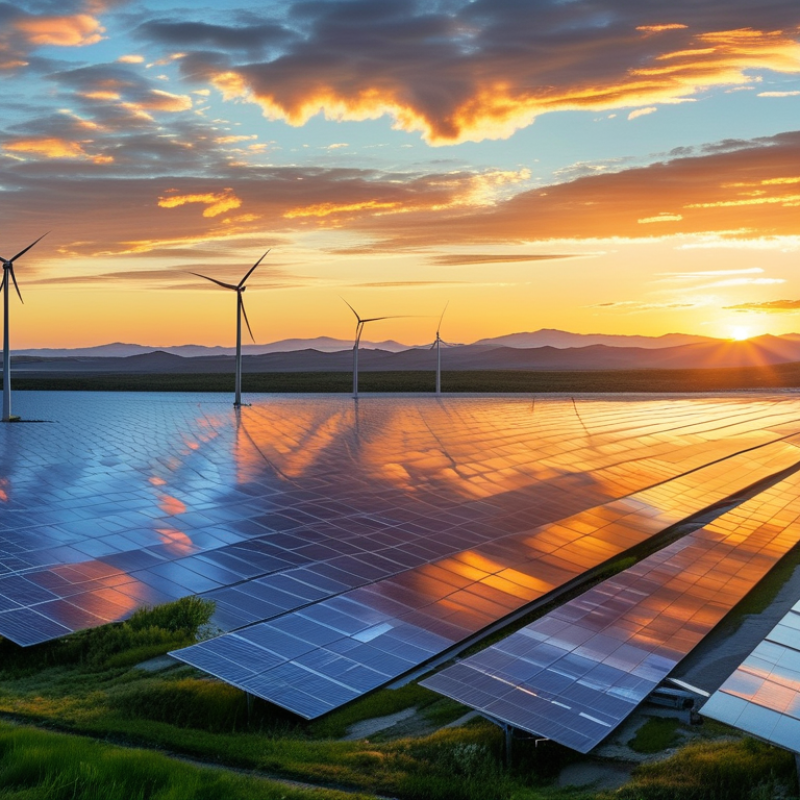
The role of renewable energy in a sustainable future cannot be overstated. Solar, wind, and hydroelectric power offer clean alternatives to fossil fuels. These energy sources help reduce greenhouse gas emissions, combating climate change. However, their intermittent nature presents challenges. For instance, solar power is unavailable at night. Wind energy fluctuates based on weather conditions. This variability makes energy storage solutions crucial.
Storage systems act as a bridge. They hold excess energy when production exceeds demand. This stored energy can be released during peak demand times. Batteries, pumped hydro storage, and other technologies are key players. Yet, the development of these solutions is not without issues. Current storage technologies can be costly and may have limited lifespans. Additionally, the environmental impact of certain materials raises concerns.
A sustainable future requires addressing these challenges. We need innovation in energy storage to harness renewable resources effectively. Continuous research and development will enhance efficiency and reduce costs. Collaboration among governments, industries, and communities is essential. Together, we can move toward a reliable, sustainable energy system.
Why Are Renewable Energy Storage Solutions Essential for a Sustainable Future?
| Energy Storage Solution |
Capacity (MWh) |
Efficiency (%) |
Average Lifespan (Years) |
Ideal Use Case |
| Lithium-ion Batteries |
120 |
90 |
10 |
Grid Interconnection |
| Pumped Hydro Storage |
3000 |
70 |
50 |
Large Scale Energy Shifting |
| Flow Batteries |
200 |
75 |
20 |
Renewable Integration |
| Compressed Air Energy Storage (CAES) |
1000 |
60 |
30 |
Load Balancing |
| Thermal Energy Storage |
500 |
85 |
40 |
Heating and Cooling Management |
The Importance of Energy Storage in Renewable Energy Systems
Energy storage plays a crucial role in renewable energy systems. It addresses the inherent intermittency of sources like solar and wind. According to the International Renewable Energy Agency (IRENA), energy storage can increase renewable energy's contribution to global energy supply by up to 80% by 2050. This shift is essential for a sustainable future.
Batteries and other storage systems help balance supply and demand. For example, lithium-ion batteries can store surplus energy generated during sunny or windy periods. They release energy when production is low. This technology can enhance grid stability. The National Renewable Energy Laboratory (NREL) predicts that energy storage capabilities could reach 1,000 gigawatt-hours by 2030. However, challenges remain. Deployment costs and recycling methods for these batteries are still under development.
Furthermore, integrating energy storage systems into existing grids is complex. Current infrastructure may not support advanced storage solutions. The need for policy frameworks and investment incentives is critical. Studies show that while the potential for energy storage is immense, we must improve technological efficiency and address economic barriers. The transition to a sustainable energy future hinges on our ability to innovate and adapt our storage solutions.
Types of Renewable Energy Storage Solutions Available
As the demand for clean energy grows, effective storage solutions become crucial. Several types are available, each with distinct benefits.
Battery storage, for instance, provides flexibility and rapid response. Lithium-ion batteries are popular due to their efficiency and diminishing costs.
However, they still face challenges like lifespan and resource constraints.
Pumped hydro storage is another solution. It utilizes excess energy to pump water uphill. When energy is needed, the water flows back down to generate power. This method is reliable, but geographically limited. Not every region can adopt it.
Tips: Regularly assess your energy needs. Understand the advantages and disadvantages of different storage types. Keeping informed will aid in making smart choices. As technology evolves, look out for emerging solutions. They may offer improved efficiency or reduced costs.
Challenges in Implementing Energy Storage Technologies
The journey to integrate renewable energy storage technologies is not without challenges. One significant hurdle is the high cost of advanced batteries. While prices have dropped in recent years, they remain a barrier for many projects. Limited budget allocation can hinder research and development, slowing down innovation. Additionally, the lifecycle of batteries presents concerns, leading to environmental impact.
Another challenge involves the technological limitations we face today. Current storage options, like lithium-ion batteries, may not be suitable for all applications. Some technologies are still in early development stages and require more testing. Efficiency and scalability remain issues, as we seek solutions that can maintain energy supply during peak demands.
**Tips:**
- Explore alternative storage methods. Look into pumped hydro or compressed air systems.
- Keep informed about advances in battery technologies. Emerging solutions may offer new possibilities.
- Consider scalability when planning renewable projects. Ensure systems can grow with demand.
Addressing these challenges requires collaboration between governments, researchers, and industry leaders. It is crucial to share knowledge to create reliable energy storage solutions. Energy transition is possible, but we must learn from setbacks and rethink our approaches.
Future Trends and Innovations in Renewable Energy Storage
The landscape of renewable energy storage is rapidly evolving. Innovations in battery technology are at the forefront, making energy storage more efficient. Solid-state batteries promise enhanced safety and higher energy density. They could revolutionize how we store solar and wind energy. These improvements are crucial for balancing supply and demand.
Another significant trend is the growth of flow batteries. Unlike traditional batteries, flow batteries can store energy for longer periods. They are ideal for large-scale solar and wind installations. However, they are still in a developmental phase, requiring more research to maximize their potential.
Furthermore, attention is shifting toward hydrogen storage. Hydrogen can be used for long-term energy storage and transportation. Yet, challenges such as production efficiency and infrastructure remain. The shift towards these innovative solutions reflects our evolving needs. As we explore these technologies, we must remain open to the imperfections and limitations they present. A forward-thinking approach is essential for advancement.