Top 10 Green Power Energy Solutions for a Sustainable Future?
As the world grapples with climate change, the focus on green power energy solutions is increasingly paramount. Experts like Dr. Emily Carter, a leading environmental scientist, emphasize, “Transitioning to renewable energy is not just an option; it’s a necessity.” This highlights the urgency for innovative energy solutions that prioritize sustainability.
The energy landscape is shifting dramatically. Renewable energy sources such as solar, wind, and hydroelectric are now more accessible. However, the transition poses significant challenges. Infrastructure development and public policy must catch up with the technology. Not all regions are equally equipped to adopt these solutions. Potential gaps in knowledge and resources can hinder progress.
Exploring the top ten green power energy solutions opens the door to vital discussions. Recognizing regional disparities and potential setbacks fosters a more comprehensive approach. We must reflect on how we can collectively harness these solutions to benefit our planet. The journey towards a sustainable future through green power energy solutions is complex but essential.
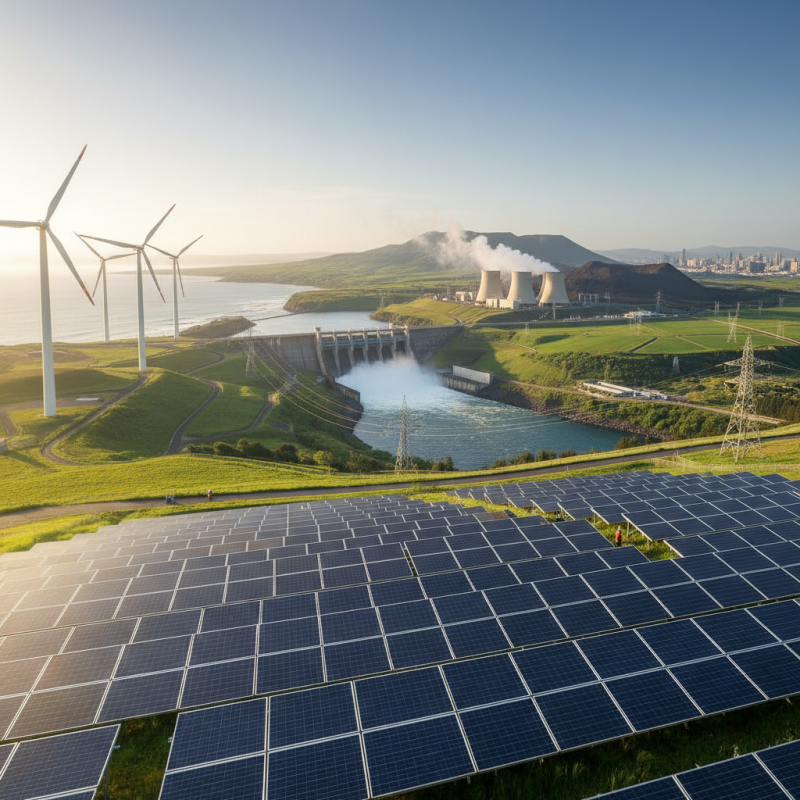
Overview of Green Power Energy Solutions
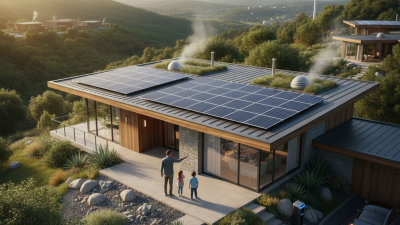
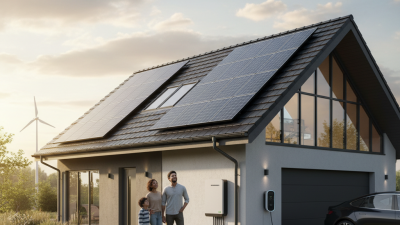
Green power energy solutions are essential for a sustainable future. They help reduce carbon emissions and decrease reliance on fossil fuels. Solar power, for example, transforms sunlight into electricity. This technology is becoming more accessible. Many homes now benefit from solar panels. Wind energy is another critical solution. Wind turbines harness natural breezes to generate power efficiently. This form of energy is renewable and abundant in many regions.
Biomass energy is worth mentioning. It converts organic materials into usable energy. This process can help manage waste while producing power. Geothermal energy utilizes the Earth's heat. It provides a stable and reliable energy source. Yet, its implementation can be site-specific and costly. Hydropower generates energy from flowing water, but ecological impacts must be considered. Building dams can disrupt local ecosystems.
Investors and policymakers should evaluate these options carefully. Some technologies may not be suitable for all regions. The transition to green energy requires thoughtful planning. We must ensure sustainable practices are in place. Balancing innovation with environmental stewardship is crucial. The journey toward a sustainable future is complex and multi-faceted.
Top 10 Green Power Energy Solutions for a Sustainable Future
| Energy Solution |
Type |
Efficiency (%) |
Environmental Impact |
Cost ($/kWh) |
| Solar Power |
Photovoltaic |
15-20 |
Low CO2 emissions |
0.05 - 0.15 |
| Wind Energy |
Turbines |
35-45 |
Minimal environmental disruption |
0.01 - 0.12 |
| Hydropower |
Dams |
30-60 |
Potential habitat disruption |
0.02 - 0.10 |
| Biomass |
Organic materials |
25-50 |
Carbon neutral |
0.03 - 0.09 |
| Geothermal |
Heat from the Earth |
10-20 |
Very low emissions |
0.04 - 0.13 |
| Tidal Energy |
Ocean tides |
30-40 |
Reduced carbon footprint |
0.06 - 0.15 |
| Nuclear Energy |
Fission |
33-37 |
Low emissions |
0.05 - 0.10 |
| Hydrogen Fuel Cells |
Clean Fuel |
40-60 |
Zero tailpipe emissions |
0.09 - 0.20 |
| Energy Storage Solutions |
Batteries |
High |
Facilitates renewable use |
Varies widely |
Solar Energy: Harnessing the Power of the Sun
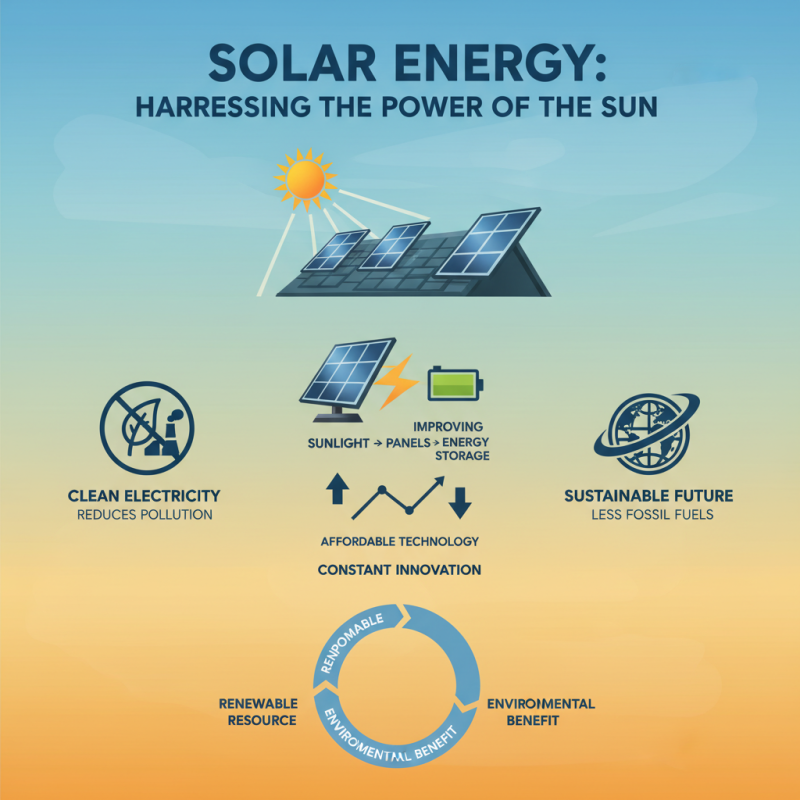
Solar energy is a powerful resource in the quest for a sustainable future. By capturing sunlight, we can generate clean electricity. Solar panels convert sunlight into energy, reducing reliance on fossil fuels. This technology is continuously improving, making it more efficient and affordable.
However, challenges remain. Manufacturing solar panels can be energy-intensive, and there are concerns over waste at the end of their lifespan. Moreover, the energy produced depends on weather conditions. This intermittency can create reliability issues.
Despite these hurdles, the benefits of solar energy are immense. It lowers carbon emissions and promotes energy independence. Many communities are investing in solar farms, which provide jobs and stimulate local economies. The future will likely see further advancements, making solar energy more accessible to all.
Wind Energy: Innovations in Turbine Technology
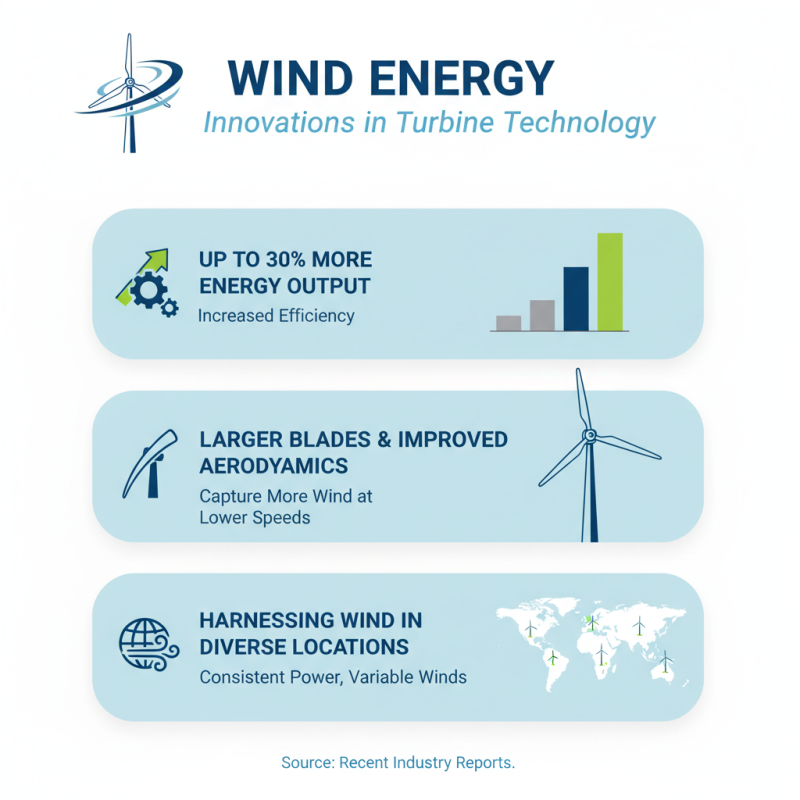
Innovative turbine technology plays a crucial role in optimizing wind energy. Recent reports indicate that advancements in turbine efficiency could increase energy output by up to 30%. With larger blades and improved aerodynamics, modern turbines capture more wind at lower speeds. This change is vital for harnessing wind power in diverse locations, even areas with less consistent winds.
The shift towards taller turbines is significant. Higher hubs allow turbines to tap into stronger winds that are often found at elevated heights. A study from the National Renewable Energy Laboratory reveals that installing turbines at heights of 120 meters can lead to a 15% boost in energy production. This innovation is essential for meeting increasing energy demands while using renewable sources.
However, the industry faces challenges. The manufacturing of larger turbines requires advanced materials and technologies, which can increase costs. Environmental impacts must also be carefully assessed, especially regarding local wildlife. As the wind energy sector grows, ongoing reflection on sustainable practices remains crucial. Balancing efficiency with ecological responsibility is an ongoing conversation among experts in the field.
Hydropower: Sustainable Water-Based Energy Generation
Hydropower stands out as a leading sustainable energy solution. It utilizes the natural flow of water to generate electricity. This method relies on rivers, dams, and reservoirs. The process is efficient and can produce large amounts of energy with low greenhouse gas emissions. Water is abundant and renewable, making hydropower a reliable energy source.
However, hydropower is not without its challenges. Building dams can disrupt local ecosystems. Fish migration patterns can be affected, leading to declines in certain species. Additionally, the creation of reservoirs may result in the flooding of land, impacting local communities. These environmental and social concerns raise questions about the long-term sustainability of hydropower.
Moreover, climate change poses risks to hydropower generation. Changes in precipitation patterns can affect water flow. Droughts may reduce water availability, impacting energy production. It's essential to consider these factors when promoting hydropower. A balanced approach is needed to harness its potential while addressing its shortcomings. Investing in technology and innovative solutions can help mitigate the drawbacks.
Hydropower: Sustainable Water-Based Energy Generation
Biomass and Biofuels: Renewable Resources for Energy Production
Biomass and biofuels are at the forefront of renewable energy solutions. They offer a promising alternative to fossil fuels, helping reduce greenhouse gas emissions. Recent studies highlight that biomass could provide about 10% of the world's energy needs by 2030. This reliance on organic materials offers a dual benefit: it creates energy while also managing waste.
Biofuels, derived from crops or waste, play an essential role in transportation. According to the International Energy Agency, biofuels could contribute to nearly 30% of the renewable fuel market by 2025. However, the sourcing of biomass raises concerns. The competition for land and resources can lead to food security issues. Additionally, the carbon footprint of certain production processes merits attention.
The sustainability of biomass energy relies on responsible sourcing and efficient processing. Innovations in technology are vital. For instance, advancements in cellulosic ethanol production show promise. Yet, there’s a need for ongoing research to minimize negative impacts. Balancing energy demands with ecological considerations is crucial for a unified, sustainable future.