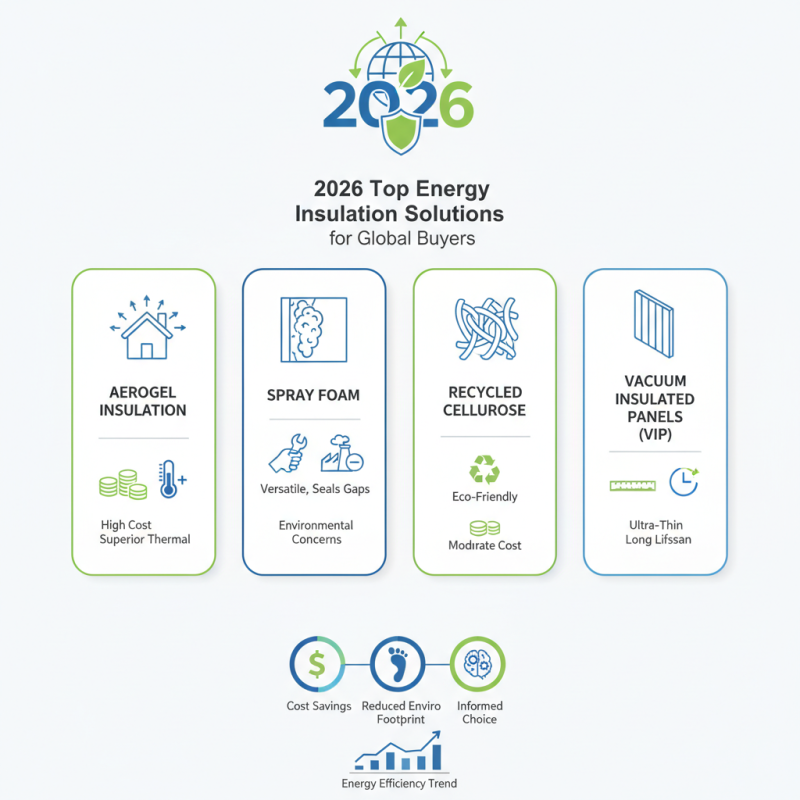
2026 Top Energy Insulation Solutions for Global Buyers?
In the quest for sustainable energy solutions, "Energy Insulation" plays a crucial role. As global buyers prepare for the future, understanding effective insulation options becomes vital. The push for energy efficiency is stronger than ever. Countries aim to reduce energy consumption while maintaining performance. New advancements in energy insulation technology promise significant benefits. However, choosing the right solution can be complex.
Various products on the market offer diverse pros and cons. Some materials excel in thermal performance but may come at a higher cost. Others are budget-friendly yet lack durability. It's essential for buyers to weigh these factors carefully. Missteps in selection can lead to inefficiencies. As the industry evolves, staying updated on trends is key.
Energy insulation solutions not only impact energy bills but also environmental footprints. Buyers must consider long-term effects. Decision-making should involve thorough research and expert advice. Recognizing the balance between cost and quality is crucial for optimal results. In this comprehensive guide, we explore top insulation solutions for 2026, helping buyers make informed choices.
Overview of Energy Insulation Solutions for 2026
In 2026, energy insulation solutions are becoming crucial for global sustainability efforts. Reports indicate a shift towards advanced insulation materials that significantly improve energy efficiency. According to the International Energy Agency, better insulation can reduce energy consumption by up to 30%. This presents a substantial opportunity for buyers seeking effective solutions.
New materials like aerogels and phase change materials are gaining traction in the market. These materials not only minimize heat transfer but also adapt to temperature changes. The global insulation market is expected to grow at a CAGR of 8.3%, reflecting increased demand for eco-friendly construction. However, challenges remain in cost and installation complexities.
Many companies face hurdles in the adoption of innovative insulation solutions. A lack of awareness and training can hinder implementation. Furthermore, frequent changes in regulations create confusion. Engaging experts in sustainability can bridge these gaps. This ensures the integration of energy insulation into new projects aligns with eco-friendly goals. The quest for optimal insulation methods is ongoing and requires reflection on current practices.
Key Materials Used in Energy Insulation Technologies
Energy insulation technologies are vital for enhancing energy efficiency. Various materials are utilized in these solutions. Fiberglass stands out for its excellent thermal resistance. It is lightweight and cost-effective, making it a popular choice in residential and commercial buildings. However, its installation can be tricky and may require professional help.
Polyurethane foam is another key material. It offers high insulation value and can fill gaps effectively. This reduces heat loss significantly. It's often used in spray foam applications. However, concerns about environmental impact arise, prompting a need for more sustainable options.
Reflective insulation materials are gaining traction as well. These materials reflect radiant heat away, keeping spaces cooler. They are particularly useful in warm climates. Yet, they may not provide adequate insulation in colder regions. The varying performance highlights the need for careful material selection based on specific climate conditions and building needs.
2026 Top Energy Insulation Solutions for Global Buyers
| Material Type | Thermal Conductivity (W/m·K) | Maximum Operating Temperature (°C) | Density (kg/m³) | Applications |
| Polyurethane Foam | 0.020 | 100 | 30 | Buildings, Refrigeration |
| Fiberglass Insulation | 0.040 | 250 | 48 | Commercial Buildings, Industrial |
| Rock Wool | 0.035 | 600 | 80 | Fire Protection, HVAC Systems |
| Polystyrene Foam | 0.030 | 75 | 35 | Roofing, Wall Insulation |
| Aerogel | 0.015 | 400 | 80 | Space Applications, Oil and Gas |
Innovative Techniques in Energy Insulation for Various Applications
In recent years, energy insulation has become vital for various applications, ranging from residential buildings to industrial plants. Reports indicate that up to 30% of energy consumption in buildings is lost through poor insulation. This issue calls for innovative techniques that address efficiency and sustainability.
One promising technique is vacuum insulation panels (VIPs). They offer a remarkable insulation value while being lightweight and thin. VIPs can improve energy efficiency by reducing heating and cooling costs significantly. Studies suggest that incorporating VIPs can lead to a 50% reduction in energy bills long-term.
**Tip:** Regularly check insulation quality. Even the best materials can degrade over time.
Another technique gaining traction is phase change materials (PCMs). These substances absorb or release thermal energy during phase transitions, regulating indoor temperatures. Reports show that PCMs can lower energy consumption by up to 20%.
**Tip:** Consider the environmental impact of insulation materials. Sustainable options are increasingly valuable.
Ultimately, while traditional methods remain popular, it’s crucial to explore new solutions. Continuous advancements in energy insulation require reflection on existing practices and adoption of innovative technologies.
Market Trends and Demands among Global Buyers
The global demand for energy insulation solutions is rapidly evolving. Recent reports indicate a projected growth rate of 6.5% in the energy insulation market from 2022 to 2026. Buyers are increasingly seeking innovative materials that enhance energy efficiency while reducing carbon footprints. This trend is driven by stricter regulations aimed at sustainability and energy conservation.
In the industry, several key trends have emerged. The shift toward eco-friendly insulation materials is notable. Many global buyers are looking for products made from renewable resources. Additionally, the demand for high-performance insulation systems is rising. These systems promise better thermal comfort and energy savings. A study by Markets and Markets reports that energy savings from improved insulation can reach up to 30% in commercial buildings.
However, challenges remain. The market faces issues like inconsistent quality standards and a lack of awareness about innovative solutions. Many buyers report confusion over the best insulation options for their specific needs. This gap highlights the need for better communication and education within the industry. Proper guidance could bridge the divide and help buyers make informed decisions.
Regulatory Standards and Sustainability in Insulation Solutions
As the world focuses on sustainability, regulatory standards for insulation are evolving. Eco-friendly materials are becoming essential for energy efficiency. Buyers are now prioritizing products that align with environmental regulations. This shift reflects a growing awareness of energy consumption and its impacts.
In recent years, insulation solutions have advanced significantly. New materials offer better thermal performance and lower environmental footprints. However, compliance with various regulations can be complex. Many manufacturers face challenges in ensuring their products meet regional standards. This often leads to confusion and inconsistency in the marketplace.
Understanding the specific regulatory landscape is crucial for buyers. Each region has its own guidelines, affecting material choices. A lack of clarity can hinder effective decision-making. Moreover, while the industry strives for sustainability, there are still gaps in implementation. Balancing performance, cost, and compliance remains a continuous struggle. The quest for top energy insulation solutions is ongoing, urging buyers to remain informed.