+1 (858) 842-1249 

info@site_cc52bd27-560c-4f9d-bd66-63718fc42539 

sales@site_cc52bd27-560c-4f9d-bd66-63718fc42539

What is Sustainable Energy Solutions and How Can They Benefit Us?

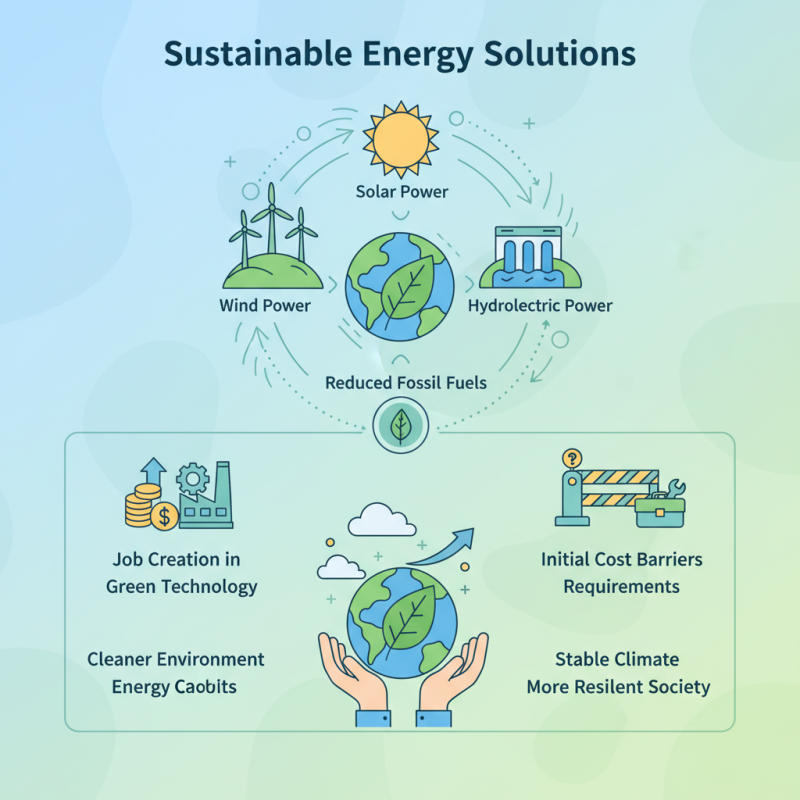
As the world faces increasing environmental challenges, sustainable energy solutions have emerged as a viable path forward. These solutions encompass renewable energy sources such as solar, wind, and hydroelectric power. By tapping into nature’s resources, we can reduce dependence on fossil fuels.

Many communities are already experiencing the benefits of sustainable energy solutions. They not only lower energy costs but also create jobs in green technology. However, there are still barriers to widespread adoption. Some technologies can be expensive initially. Additionally, infrastructure improvements are often required to support these systems.

Despite these challenges, the potential of sustainable energy solutions is vast. They promise a cleaner environment and a more stable climate for future generations. These methods encourage us to rethink our energy consumption and impact on the planet. By embracing these alternatives, we can build a more resilient society.
What is Sustainable Energy Solutions and How Can They Benefit Us?

Definition of Sustainable Energy Solutions
What is Sustainable Energy Solutions and How Can They Benefit Us?

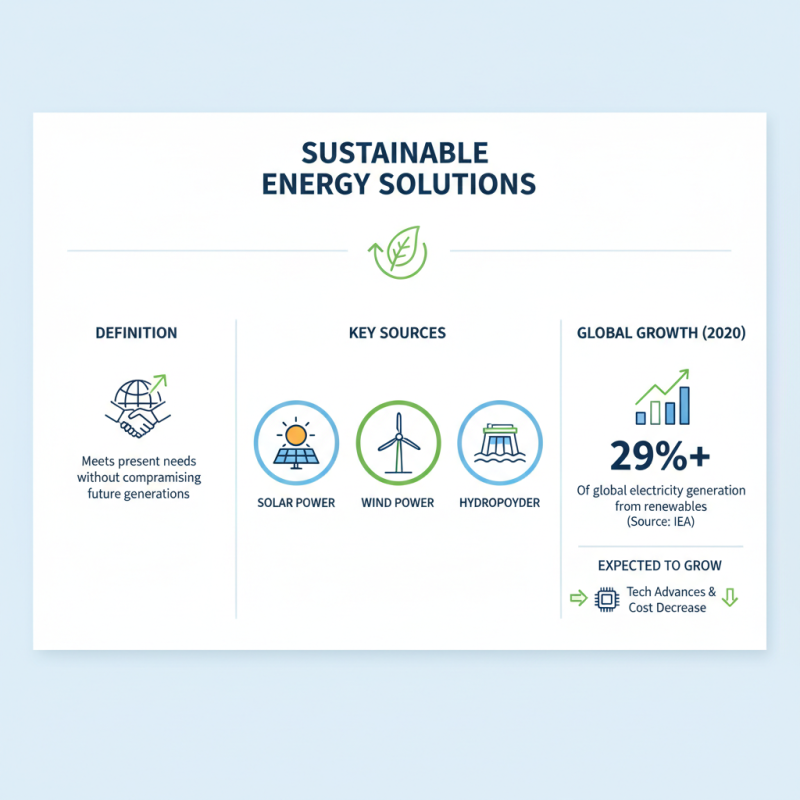
Sustainable energy solutions refer to energy systems that meet present needs without compromising future generations. These solutions include renewable sources like solar, wind, and hydropower. According to a report by the International Energy Agency, renewable energy constituted over 29% of global electricity generation in 2020. This portion is expected to grow as technology advances and costs decrease.

Implementing sustainable energy can significantly reduce our carbon footprint. A study by the United Nations Environment Programme notes that achieving 100% renewable energy could cut greenhouse gas emissions by up to 70% by 2050. Yet, transitioning to sustainable energy is not without challenges. Infrastructure costs can be high and policy frameworks may lag behind technology. Many regions still rely heavily on fossil fuels, causing a reliance that hinders progress.

Public awareness and education on sustainable practices are vital. Many people lack understanding of how energy choices impact the environment. Surveys show that while 67% of people support renewable initiatives, only 30% actively engage in sustainable practices. This gap indicates a need for sustained dialogue and actionable steps towards more significant collective change. Addressing these issues will be crucial for realizing the full benefits of sustainable energy solutions.
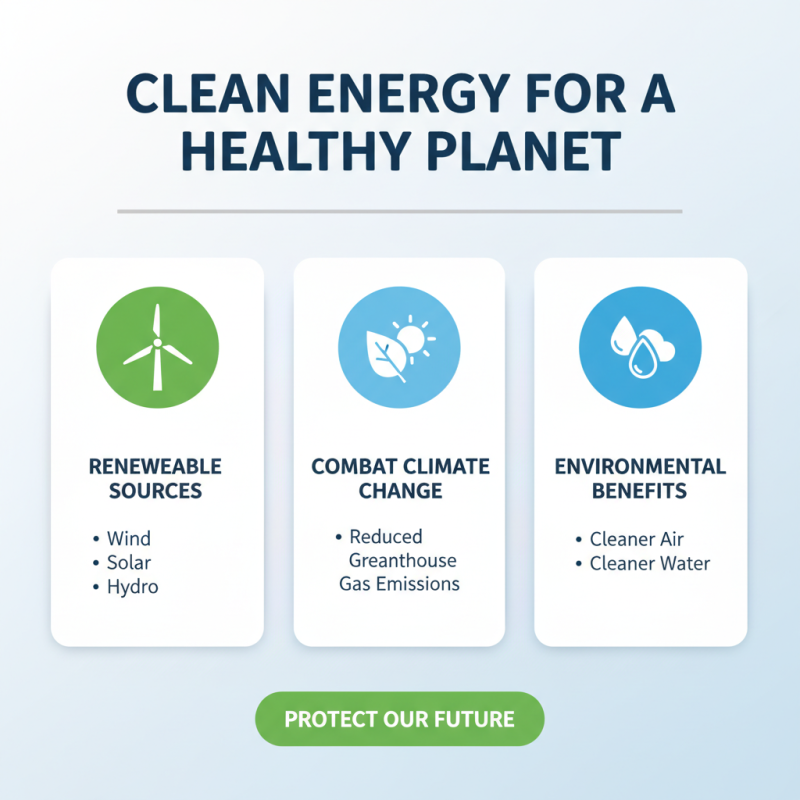
Key Types of Sustainable Energy Sources

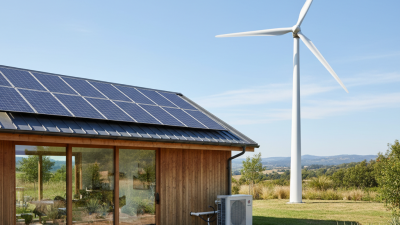
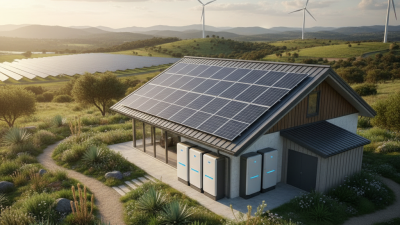
Sustainable energy sources are crucial for a healthier planet. Solar energy is one key type. Solar panels can harness sunlight and convert it into electricity. It reduces reliance on fossil fuels. But installation can be expensive. Not everyone can afford it.

Wind energy is another option. Wind turbines can generate power in windy areas. They produce clean energy. However, they can disrupt local wildlife. This impact needs consideration.

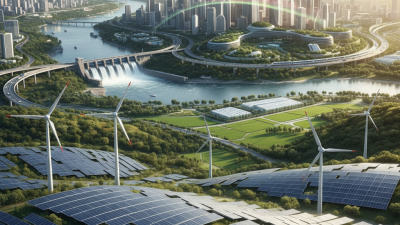
Hydropower is also relevant. Dams can create energy from flowing water. It’s efficient and reliable. Yet, large dams can flood ecosystems. Balancing benefits and drawbacks is important for progress. Each energy source has potential and challenges. We must explore these with care.

Benefits of Sustainable Energy for the Environment

What is Sustainable Energy Solutions and How Can They Benefit Us?

Sustainable energy solutions play a vital role in protecting our environment. By utilizing renewable sources like wind, solar, and hydro, we can significantly reduce greenhouse gas emissions. This shift helps combat climate change, which poses a serious threat to our planet. Cleaner air and water are direct benefits of adopting these energy sources.

Implementing sustainable energy is not without challenges. Infrastructure upgrades are often expensive and time-consuming. There are occasional debates over land use, particularly with solar farms and wind turbines. While these solutions are promising, careful planning is essential. We must consider local ecosystems and communities before making changes.

Moreover, the transition to sustainable energy demands collective action. Individuals, businesses, and governments must collaborate to drive this important shift. Small steps at the community level can lead to significant improvements. Encouraging public support for green initiatives can create a more sustainable future and foster a sense of accountability. Ultimately, the shift toward sustainable energy can create a healthier world for future generations, but we must remain vigilant and reflective about our choices.

Economic Advantages of Adopting Sustainable Energy

Sustainable energy solutions provide significant economic advantages. By utilizing renewable sources like solar and wind, communities can drastically reduce energy costs. These alternatives often lead to lower utility bills. Additionally, local job creation is a strong benefit. Installing and maintaining renewable systems requires skilled labor, which stimulates local economies.

Investing in sustainable energy also means less dependency on imported fuels. This independence can shield economies from volatile market prices. Yet, transitioning to sustainable solutions is not always easy. Initial costs can be high, and technology can be complex. Some may find it challenging to navigate the changing landscape of energy.

However, the long-term savings often outweigh the hurdles. Think about the potential for innovation. Energy efficiency technologies continue to improve. It is essential to engage in discussions on the benefits and obstacles of these energy sources. The shift to sustainable energy isn’t flawless. There will be adjustments needed along the way. These challenges require thoughtful approaches and collaboration among communities.

Challenges and Solutions in Implementing Sustainable Energy

Implementing sustainable energy solutions presents significant challenges. According to the International Renewable Energy Agency (IRENA), transitioning to renewable energy can meet 86% of global energy needs by 2050. However, infrastructure remains a major hurdle. Many regions lack the necessary grid capacity for large-scale solar or wind projects.

Financing is another concern. A report from the International Energy Agency (IEA) indicates that investments in renewables need to triple to meet climate targets. Without serious financial backing, projects struggle to launch. Additionally, there is often a lack of technical expertise in developing areas. This gap impedes the implementation of sustainable technologies.

Public perception can also pose challenges. Many people resist changes, fearing job losses in traditional energy sectors. Yet, reports indicate that green jobs are on the rise. For every job lost in fossil fuels, nearly 1.8 new jobs are created in renewables. Addressing these misconceptions is crucial for progress. Engaging communities with clear information can shift opinions and encourage acceptance.

What is Sustainable Energy Solutions and How Can They Benefit Us? - Challenges and Solutions in Implementing Sustainable Energy

Dimension Description Benefits Challenges Solutions
Solar Energy Harnessing sunlight using photovoltaic cells or solar thermal systems. Reduces electricity bills, low maintenance costs, and decreases carbon footprint. High initial investment and weather dependency. Government incentives and advancements in battery storage technology.
Wind Energy Using wind turbines to convert kinetic energy from wind into electricity. Sustainable and abundant source of energy with low operational costs. Intermittency issues and impact on local wildlife. Battery storage solutions and strategic turbine placement.
Hydropower Generating electricity from flowing or falling water. Reliable and efficient energy production; provides water supply and flood control. Environmental concerns such as habitat disruption and water quality. Eco-friendly dam designs and environmental monitoring systems.
Geothermal Energy Utilizing heat stored beneath the earth's surface for electricity or heating. Low emissions, minimal land footprint, can provide baseload power. Limited to specific geographical locations and high upfront costs. Research into enhanced geothermal systems and public-private partnerships.

CORPORATE HEADQUARTERS

North America

California

AGIC Energy North America LLC
13025 Danielson Street, Suite 105
Poway, CA 92064 – USA
Phone Number: +1 (858) 842 1513
Email: info@site_cc52bd27-560c-4f9d-bd66-63718fc42539
Sales: sales@site_cc52bd27-560c-4f9d-bd66-63718fc42539