Why Are Solar Panels Solutions Essential for a Sustainable Future?
In recent years, solar panels solutions have emerged as a crucial element in achieving a sustainable future. According to the International Energy Agency (IEA), solar power is set to lead the energy transition, contributing to nearly 30% of global electricity generation by 2030. This shift is essential as countries strive to reduce carbon emissions and combat climate change.
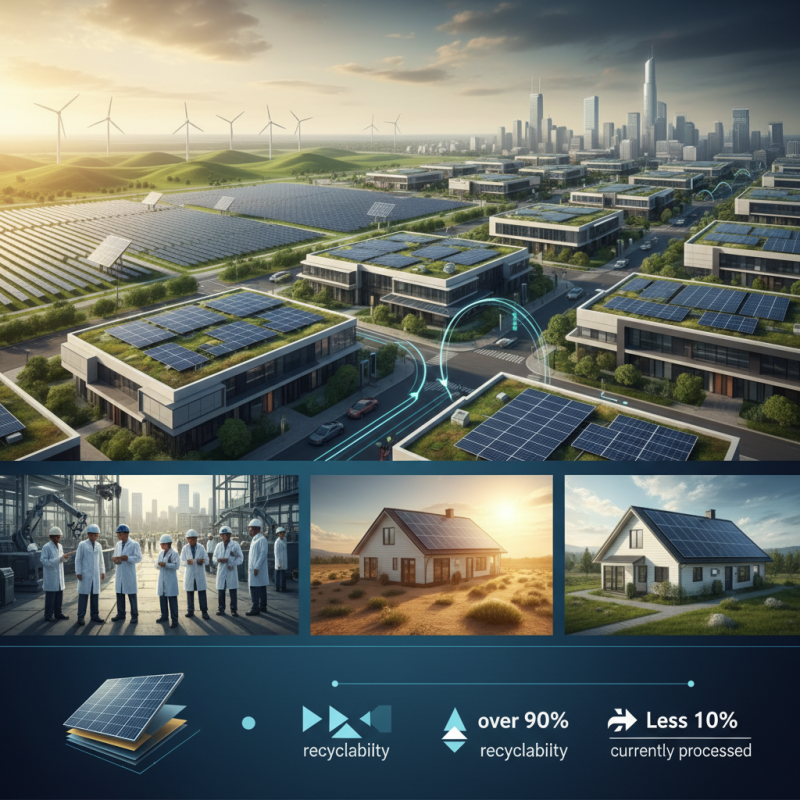
However, challenges remain. The installation of solar panels can be costly, and the process of recycling these panels at their end of life is still developing. A report from the National Renewable Energy Laboratory indicates that over 90% of solar panels can be recycled, yet less than 10% are currently processed properly. This highlights a gap in reliability and efficiency that needs to be addressed.
Moreover, solar panels solutions are not a one-size-fits-all answer. Different regions have varying sun exposure and climatic challenges. These factors influence the effectiveness of solar energy solutions. Hence, while the potential is enormous, there is still much work to do to make these technologies universally accessible and beneficial.
The Role of Solar Panels in Mitigating Climate Change Effects
Solar panels play a crucial role in addressing climate change. As we face increasing global temperatures and erratic weather patterns, the need for clean energy sources becomes undeniable. Solar power harnesses sunlight, a renewable resource. It helps reduce greenhouse gas emissions, a major contributor to global warming.
The transition to solar energy can significantly lower our carbon footprint. It offers an alternative to fossil fuels, which release harmful pollutants. With solar panels installed on homes and businesses, communities can generate their own energy, promoting local resilience. However, this transition is not without challenges. Not everyone has access to solar technology. In some areas, initial costs may be high, and installations can face bureaucratic hurdles.
Moreover, the production of solar panels can have environmental impacts. This raises questions about sustainability. We must focus on creating efficient manufacturing processes and recycling systems. The conversation surrounding solar energy must be nuanced. It is vital to recognize both its benefits and its limitations, ensuring a balanced approach to a sustainable future.
Impact of Solar Energy on CO2 Emissions Reduction
This bar chart illustrates the significant reduction in CO2 emissions as a result of increased adoption of solar energy from 2015 to 2021. The data shows a progressive decline in emissions correlating with the rise in solar power usage, highlighting the vital role solar panels play in mitigating climate change effects.
Economic Benefits of Solar Energy Adoption in Communities
Communities adopting solar energy see significant economic benefits. The initial investment in solar panels can lead to long-term savings on energy bills. Homeowners often notice a decrease in their monthly expenses, enabling them to allocate funds elsewhere. Solar energy can increase property value, attracting buyers interested in eco-friendly features.
Tips: Consider getting multiple quotes when installing solar panels. Investigate local incentives or tax credits that may help reduce costs.
Investing in solar is not just about savings; it creates local jobs. The solar industry grows, requiring skilled labor for installation and maintenance. This generates employment opportunities in communities, fostering economic development. However, there remains a challenge. Accessibility to solar technology can be uneven, leaving some communities behind.
Tips: Join community programs focused on solar education. Collaborate with local governments to push for expanded solar access. Sharing resources can enhance community engagement and equity in energy solutions.
Technological Innovations Driving Solar Panel Efficiency and Affordability
Technological innovations in solar panels are reshaping our energy landscape. Research shows that the efficiency of solar panels has increased from around 15% a decade ago to an impressive 23% today. This leap is primarily due to advancements in materials and design, particularly with improved photovoltaic cells. More accessible technologies are reducing costs, making solar panels more affordable for homeowners and businesses alike.
A recent industry report indicates that the price of solar energy has dropped by over 80% since 2010. This significant reduction opens the door for widespread adoption. In fact, an estimated 14 million homes in the U.S. are now generating their own electricity from solar energy. This trend enhances energy independence and contributes to reducing greenhouse gas emissions. However, challenges remain. Some regions still lack sufficient sunlight or have limited infrastructure for solar power integration.
Tip: Consider local weather conditions when planning solar panel installations. Urban environments may also face space constraints. Evaluating the optimal placement can maximize efficiency. More education is needed about potential zoning regulations that might affect setup. Each project's unique context must be analyzed carefully to ensure successful implementation.
Why Are Solar Panels Solutions Essential for a Sustainable Future?
| Dimension |
Data |
| Average Efficiency of Solar Panels |
20% - 22% |
| Cost Reduction (2010 - 2023) |
Over 80% |
| Global Solar Energy Installed Capacity (2023) |
1,200 GW |
| Carbon Emissions Reduction Per Year (Global) |
2 billion tons |
| Projected Annual Growth Rate of Solar Market (2023 - 2030) |
15% - 20% |
| Percentage of Renewable Energy Sources in Electricity Production (2023) |
30% |
Environmental Impact of Solar Energy Compared to Fossil Fuels
Solar energy offers a vital alternative to fossil fuels. Its environmental impact is significantly lower. Unlike coal and oil, solar panels do not emit harmful pollutants during operation. This leads to cleaner air and a reduction in health risks associated with traditional energy sources.
Despite the benefits, solar energy is not without challenges. The manufacturing process for solar panels does involve some waste and emissions. Extracting raw materials like silicon can harm local ecosystems. These concerns highlight the need for responsible sourcing and recycling programs.
Furthermore, solar energy production depends on weather conditions. This intermittency can lead to reliance on other energy sources during cloudy days. Balancing this variability with a steady energy supply remains a critical hurdle. The transition to solar energy needs careful planning and community involvement to address these issues effectively.