Top Renewable Power Solutions Transforming the Energy Landscape Today?
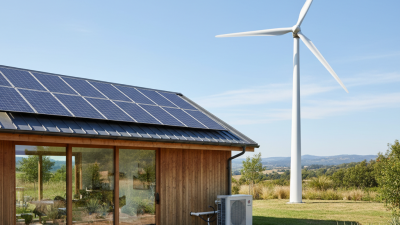
The energy landscape is changing rapidly. Renewable power solutions are at the forefront of this transformation. Solar panels glisten under the sun, harnessing sunlight to generate electricity. Wind turbines spin gracefully on hillsides, converting wind into renewable energy. Together, these innovations present promising alternatives to fossil fuels.
However, challenges exist. Not all areas have equal access to these technologies. Storage of energy remains a critical hurdle. Batteries can be expensive and inefficient. Despite these issues, the push for renewable power solutions continues, driving significant investment and interest. People are increasingly aware of climate change. Many seek more sustainable choices for themselves and their communities.
The adoption of renewable power solutions is essential for a greener future. Efforts to improve technology and accessibility are underway. Still, the journey is complex and requires collective hope and effort. Transitioning to these solutions is not just beneficial; it is necessary.
Key Renewable Energy Sources Revolutionizing the Energy Market
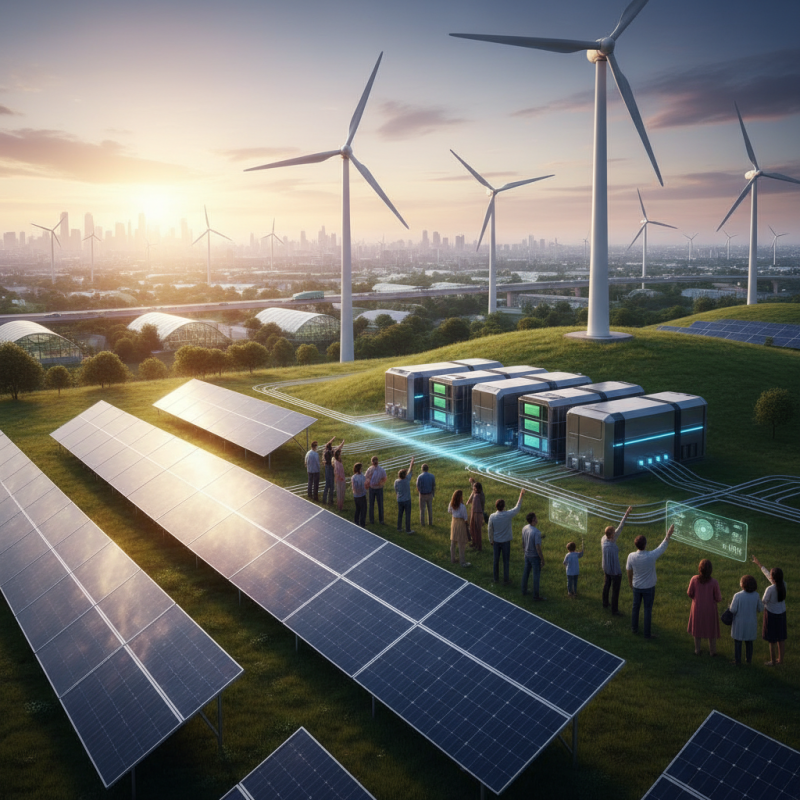
The energy market is undergoing remarkable changes. Key renewable energy sources are stepping into the spotlight. Solar power is one of the most promising options. It harnesses sunlight to generate electricity. This technology has become more accessible and efficient. Many homes now feature solar panels on rooftops. The installation process is straightforward, but not without challenges. The initial cost can be a barrier for some.
Wind energy stands out as another transformative source. Large turbines capture wind and convert it into power. Coastal areas and open plains are ideal for wind farms. However, these structures can impact local wildlife. It's crucial to balance energy production with environmental concerns. Additionally, offshore wind farms are gaining traction, though they are more expensive to install.
Hydropower also plays a vital role. It leverages flowing water to generate energy. Dams can produce significant amounts of electricity. Yet, their construction often leads to ecosystem disruptions. Communities must weigh the benefits against potential harm. Each renewable solution brings its pros and cons. They reshape our energy landscape but require careful consideration of their impacts.
Top Renewable Power Solutions Transforming the Energy Landscape
Technological Innovations Driving Renewable Power Solutions Forward
The renewable energy sector is experiencing rapid innovation. Recent reports indicate that global investments in renewable power have reached over $300 billion in 2022 alone. This surge is largely fueled by advancements in technology, making renewable solutions more accessible and efficient.
Solar power technology has improved significantly. The efficiency of photovoltaic (PV) cells has surpassed 26% in some instances, according to the International Energy Agency. However, challenges remain. Energy storage solutions are still costly. Battery technologies like lithium-ion dominate the market, yet recycling remains a concern.
Wind energy also shows promise. Turbines are now capable of generating more power while taking up less space. Offshore wind farms are becoming more common, expected to generate 70% of the world's wind energy by 2025. Nevertheless, integrating these systems into existing grids can be complex. Overall, while the advancements are promising, potential pitfalls must be addressed to harness the full potential of renewables.
Top Renewable Power Solutions Transforming the Energy Landscape Today
| Technology |
Description |
Efficiency (%) |
Deployment Speed (Years) |
Environmental Impact |
| Solar Photovoltaic |
Converts sunlight directly into electricity using solar cells. |
15 - 22 |
1 - 2 |
Low |
| Wind Energy |
Uses wind turbines to convert wind energy into electricity. |
35 - 45 |
2 - 3 |
Low |
| Hydropower |
Generates electricity by harnessing the energy of flowing water. |
40 - 60 |
3 - 10 |
Moderate |
| Geothermal Energy |
Harnesses heat energy from the earth's crust to generate electricity. |
10 - 20 |
2 - 5 |
Low |
| Biomass Energy |
Produces energy through the combustion of organic materials. |
20 - 25 |
1 - 3 |
Moderate |
Economic Impacts of Adopting Renewable Energy Solutions Globally
The global transition to renewable energy solutions is reshaping economies. Countries investing in renewable sources see job creation and economic growth. For instance, solar and wind power industries have generated millions of jobs worldwide. This shift aids in reducing dependency on fossil fuels. Yet, the path is not without challenges.
Some regions struggle with integrating renewable technologies into existing infrastructures. Investment costs remain a barrier for many developing nations. There’s also the issue of energy storage. Without effective storage solutions, the reliability of renewable energy can be compromised.
Tips: Focus on community awareness. Local initiatives can drive support for renewables. Engage citizens to understand the benefits. Also, invest in training programs. This enhances skills for a green economy. Collaboration between governments and businesses is key. Explore shared projects that benefit both parties economically and environmentally.
Challenges and Opportunities in the Renewables Sector Today
The renewable energy sector is at a pivotal point. Many see a bright future, but challenges loom large. Engineers and scientists strive to harness solar, wind, and bioenergy. Yet, technology gaps and regulatory hurdles hinder progress. For example, not every region has suitable conditions for solar power.
Infrastructure issues can delay projects significantly. The integration of renewables into existing grids remains complex. Storage solutions must improve to handle variable energy output. The lack of affordable energy storage options creates uncertainty. This can deter investments, despite rising interest in sustainable solutions.
Opportunities are vast, but so are the challenges. Policymakers and industry leaders must collaborate. They should focus on building a resilient framework. Local communities also play a crucial role in the acceptance of renewable projects. Engaging all stakeholders is key to success. It’s essential to reflect on the balance of benefits and drawbacks in this evolving landscape.
Future Trends in Renewable Energy and Their Potential Impact
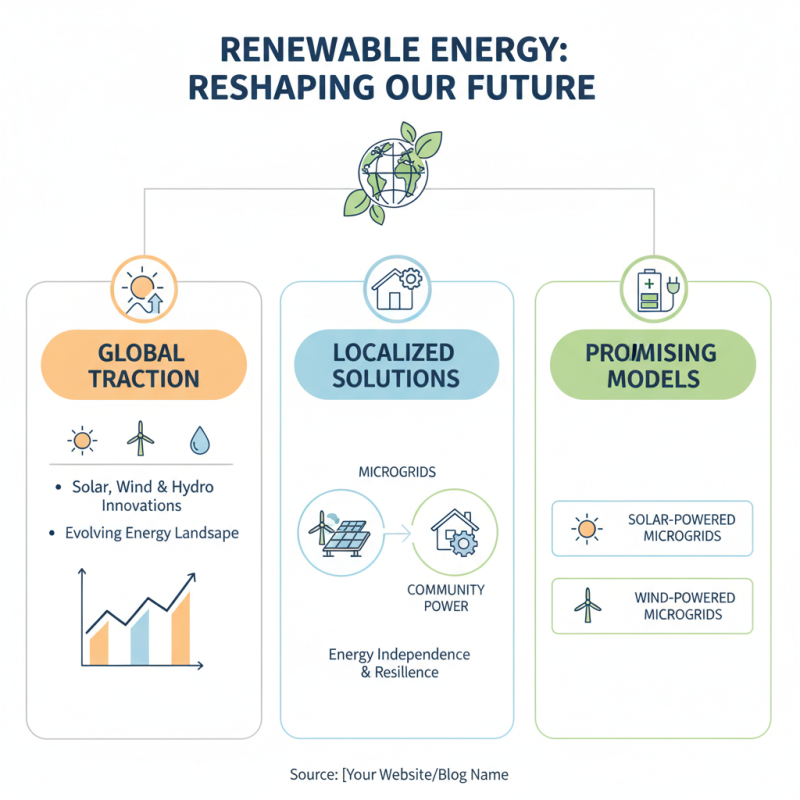
In recent years, renewable energy has gained significant traction. Innovations in solar, wind, and hydro technologies are reshaping our energy landscape. Many communities are now exploring localized solutions. Microgrids powered by solar panels and wind turbines emerge as promising models. They provide energy independence and resilience.
Yet, there are challenges ahead. Integrating diverse energy sources into existing grids can be complex. Energy storage remains a concern. Battery technology is advancing, but it must catch up with demand. Moreover, there are social implications. Not every region can easily transition to renewable energy. Economic disparities may widen if access is not equitable.
Future trends signal hope but require reflection. Policies must support a just transition. Infrastructure should accommodate various energy types. Public education on renewable energy is crucial. It's all about finding balance and ensuring sustainability for all. The path forward is not perfect, but progress is undeniable.