What are the Most Reliable Solar Solutions for Homeowners?
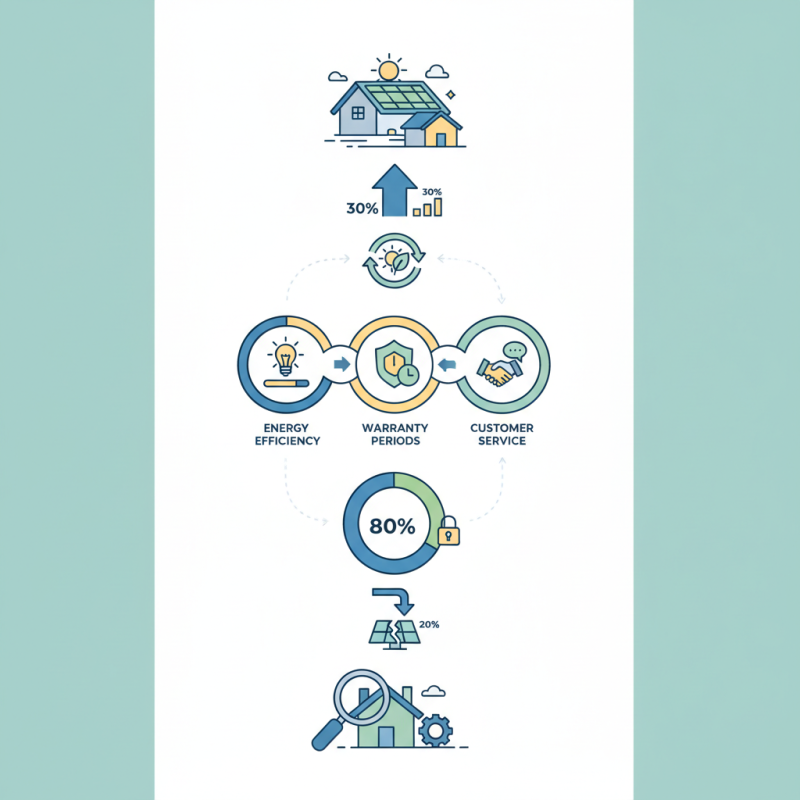
As homeowners seek sustainable energy solutions, the demand for reliable solar solutions continues to grow. According to a 2022 report by the Solar Energy Industries Association (SEIA), residential solar installations increased by over 30% compared to the previous year. This surge reflects a broader trend towards renewable energy. Homeowners are not just looking for any solar options; they want systems that offer long-term durability and performance.
Several key factors contribute to the reliability of solar solutions. These include energy efficiency, warranty periods, and customer service. An analysis by PV Tech states that more than 80% of homeowners prioritize warranties when selecting solar products. However, there are still concerns regarding installation quality and product lifespan. Studies show that up to 20% of solar systems underperform due to poor installation practices.
Choosing reliable solar solutions involves careful consideration. Homeowners must reflect on their specific needs and the unique characteristics of their locations. The market offers various technologies and providers, but not all deliver consistent results. Investing the time to research options can significantly impact both performance and satisfaction.
Understanding Solar Energy Technologies for Home Use
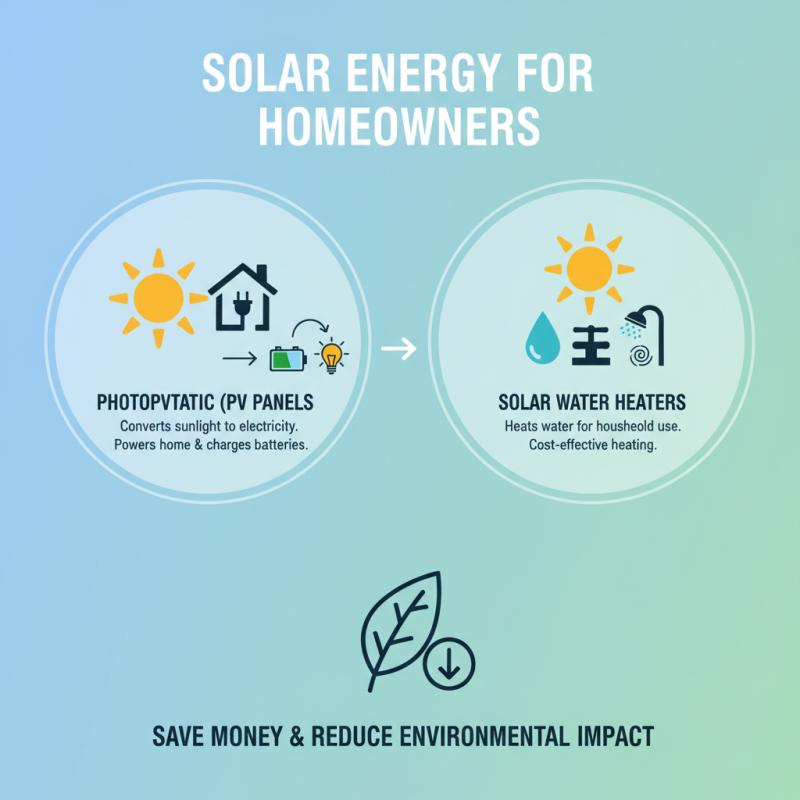
Solar energy technologies offer promising solutions for homeowners looking to reduce energy bills and environmental impact. The main options include photovoltaic (PV) panels and solar water heaters. PV panels convert sunlight into electricity, which can power your home directly or store energy in batteries. Solar water heaters use sunlight to heat water for household needs, providing a cost-effective alternative to traditional heating methods.
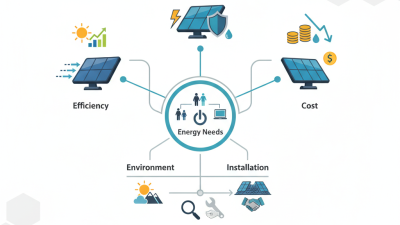
When considering solar solutions, it’s essential to assess your home’s energy needs. Different households may require varying systems based on their usage patterns. For example, a family with higher hot water needs may prioritize a solar water heater, while those focused on electricity savings may lean towards PV panels.
**Tips:** Always evaluate available roof space and sunlight exposure before deciding. Consider local climate conditions, as they can impact efficiency. It’s also wise to research installation and maintenance costs, as these can vary significantly. Planning now can prevent future regrets. For those with limited budgets, starting with smaller systems could be a practical step towards full solar integration.
Types of Solar Panels: Comparing Efficiency and Reliability
When choosing solar panels, efficiency and reliability are key factors for homeowners. The most commonly used options are monocrystalline, polycrystalline, and thin-film panels. According to a recent report from the National Renewable Energy Laboratory, monocrystalline panels are generally the most efficient, boasting conversion rates of 15% to 22%. However, they can be pricier compared to polycrystalline panels, which have an efficiency range of 13% to 16%.
Reliability also varies. Thin-film panels are lightweight and flexible but typically have lower efficiency than crystalline options. Their effectiveness can drop significantly under low-light conditions. This means that while they are affordable, they might not be the best choice for every home, especially in less sunny regions.
**Tip**: Always consider your local climate when selecting solar panels. This can influence overall performance significantly.
Another important aspect is installation and maintenance. Quality installations can prevent issues down the road. Homeowners should regularly check panels for dirt or debris, as these can reduce efficiency.
**Tip**: Check your warranty options. A good warranty can offer peace of mind. Remember, not all warranties are created equal. Look for coverage that includes both performance and product defects.
Inverter Options: Choosing the Best for Your Solar System
When selecting an inverter for your solar system, several factors come into play. The inverter serves as the heart of your solar setup. It converts the generated DC power into usable AC power. A reliable inverter ensures optimal energy production and system performance. Recent industry reports suggest that a high-quality inverter can improve energy efficiency by up to 20%.
Choosing between string inverters, microinverters, and power optimizers can be daunting. String inverters are often the most cost-effective choice, but they can underperform if any part of the system is shaded. Microinverters, on the other hand, may offer better efficiency in diverse lighting conditions. Managing multiple microinverters can be complex, though. An optimal choice depends on your specific roof layout and shading challenges.
Data shows that over 30% of homeowners experience issues with inverter reliability within the first five years. Regular maintenance of your inverter can alleviate some of these concerns. However, many homeowners overlook this vital aspect. Investing in a robust monitoring system can provide real-time status updates, alerting you to potential issues. Understanding these challenges helps pave the way for a more efficient solar investment.
Inverter Options for Solar Systems
This chart displays the efficiency ratings of various inverter technologies commonly used in residential solar systems. Understanding these options helps homeowners make informed decisions when selecting the best solar solutions for their needs.
Determining the Right Solar System Size for Your Home
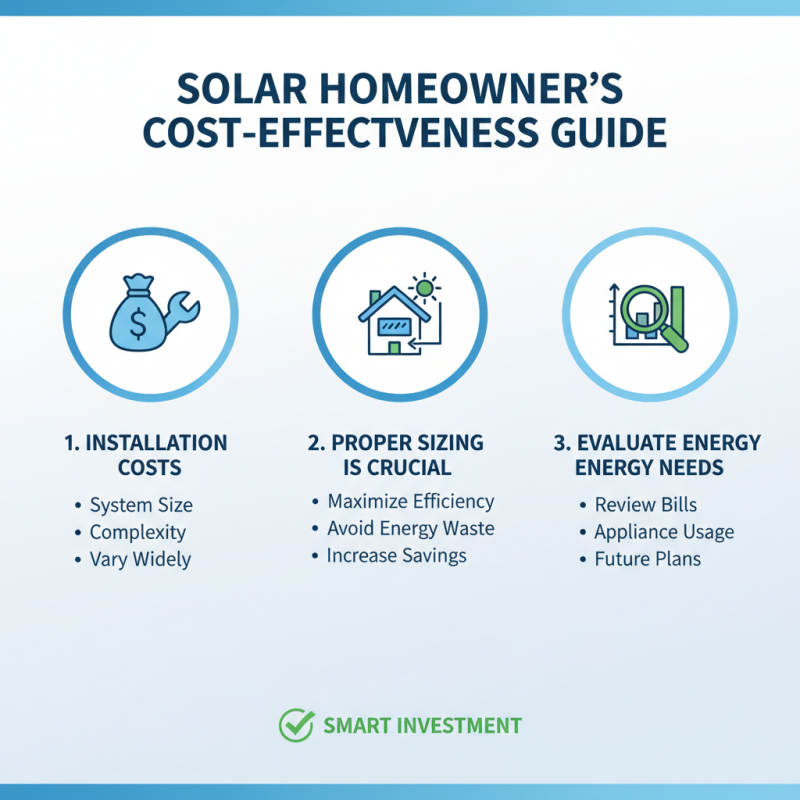
Choosing the right solar system size is crucial for homeowners. A well-sized system maximizes efficiency and savings. According to the National Renewable Energy Laboratory, a typical home requires about 5 to 10 kilowatts (kW) of solar power. This range can vary based on energy consumption and location.
Understanding your energy consumption is key. The U.S. Energy Information Administration reports that average households consume around 877 kWh monthly. Solar panels can produce a varying amount of energy depending on sunlight exposure and system installation. A 5 kW system can generate roughly 600 to 900 kWh monthly, providing sufficient energy for many residences. However, inadequate sizing may lead to higher utility bills or insufficient power supply.
It's important to evaluate future changes. Will your family size increase? Are you planning to buy electric vehicles? These factors could change your energy needs. Some homeowners may overestimate their requirements. A system too large might lead to unnecessary costs. The Solar Energy Industries Association suggests consulting with professionals to accurately calculate your needs. Crafting an informed decision minimizes potential overspending while ensuring your home is efficiently powered.
What are the Most Reliable Solar Solutions for Homeowners? - Determining the Right Solar System Size for Your Home
| Solar System Size (kW) |
Average Monthly Energy Bill Savings ($) |
Estimated System Cost ($) |
Payback Period (Years) |
Environmental Impact (CO2 Reduction - Tons/year) |
| 4 kW |
$50 |
$12,000 |
6 |
2.5 |
| 6 kW |
$75 |
$18,000 |
7 |
3.5 |
| 8 kW |
$100 |
$24,000 |
8 |
4.5 |
| 10 kW |
$125 |
$30,000 |
9 |
5.5 |