Why Are New Solar Energy Solutions Essential for a Sustainable Future?
As the world grapples with climate change, new solar energy solutions emerge as critical drivers for sustainability. According to the International Energy Agency, solar power could supply over 20% of global energy needs by 2040. This transition is imperative; conventional energy sources are depleting rapidly. Current solar technologies can only capture a portion of the available sunlight. Innovations must accelerate to improve efficiency and reduce costs.
Adoption of new solar energy solutions is essential for developing economies, where energy access remains limited. The World Bank projects that over 800 million people lack access to electricity. By harnessing solar solutions, we can solve this issue while also combating global warming. However, many communities face hurdles such as financing and infrastructure. Investments in research and technology are needed to overcome these barriers.
Failures in the past have shown that not all solar initiatives work as intended. Many projects lacked local engagement or proper maintenance. It's crucial to learn from these missteps to ensure better implementation of new ideas. Future successes depend on thoughtful integration of technology and local needs. The path to a sustainable future is not without challenges, but new solar energy solutions offer a promising route forward.
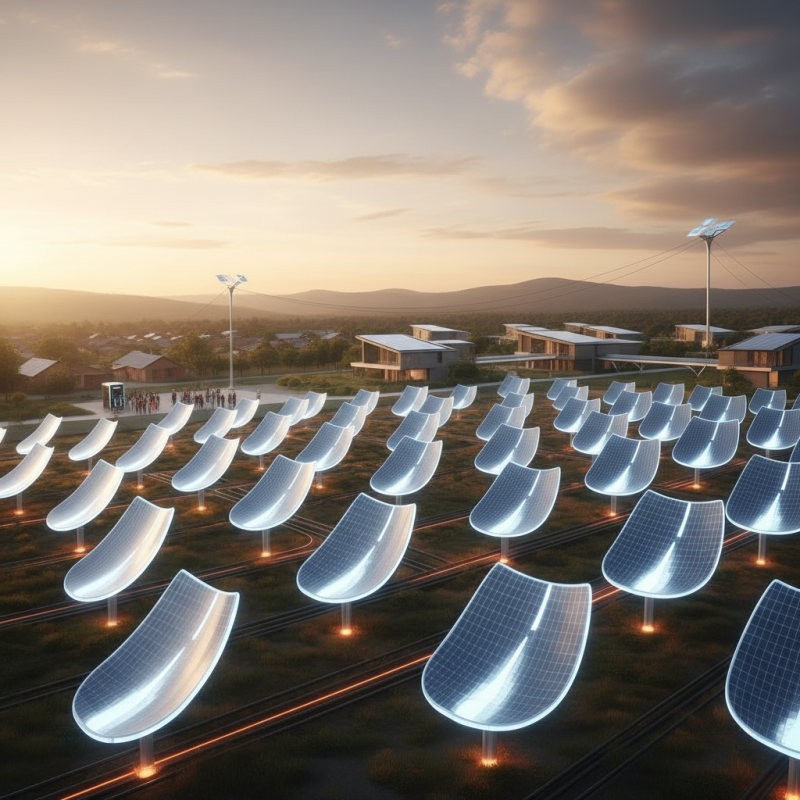
The Role of Solar Energy in Achieving Sustainability Goals
Solar energy is increasingly vital in achieving sustainability goals. The International Energy Agency reports that solar capacity could meet over 25% of global electricity needs by 2030. This statistic highlights the potential of solar solutions to drive significant change. Yet, the transition faces hurdles. Many regions still rely on fossil fuels. The shift to renewables must accelerate to avoid climate catastrophe.
Investing in innovative solar technologies is essential. For instance, per the National Renewable Energy Laboratory, advancements in solar efficiency can cut costs and increase adoption. However, not everyone has access to these technologies. Disparities in infrastructure pose challenges. Cities often benefit more than rural areas, raising questions about equitable access.
In addition to infrastructure issues, there’s the matter of public perception. Some communities remain skeptical about solar energy's impact. This skepticism can slow progress toward sustainability goals. Education and outreach programs are crucial to shift mindsets. Ultimately, collaboration among governments, businesses, and communities will determine solar energy's role in a sustainable future.
Current Challenges Facing Traditional Energy Sources
Traditional energy sources face numerous challenges today. Fossil fuels are becoming scarce. The extraction process damages ecosystems. Additionally, greenhouse gas emissions lead to climate change. Air quality suffers, affecting human health.
Transitioning to renewable energy is crucial. Solar energy can provide clean power with minimal environmental impact. A shift is needed, yet investment in solar technology is still lagging. Many communities lack access to solar solutions, showing a clear gap.
Tips: Consider how you use energy daily. Small changes can lead to big impacts. For instance, minimizing electricity use during peak hours helps reduce strain on the grid. Schools and businesses should explore solar installations. Collectively, these efforts can spark a broader conversation about sustainability.
Innovative Solar Technologies Revolutionizing Energy Production
The rise of innovative solar technologies marks a significant shift in energy production. Solar panels are not what they used to be. New materials and designs enhance efficiency and reduce costs. For instance, bifacial solar panels capture sunlight from both sides. This technology boosts energy output without needing additional space. The adoption of these advanced systems can transform rooftops into powerhouses.
Moreover, solar energy storage solutions have become crucial. These technologies allow users to store energy for later use. When the sun isn't shining, homes can still draw on this stored energy. This versatility is essential for maintaining a consistent energy supply. However, the challenge remains in the grid's readiness to handle this influx of renewable energy.
Innovative solar technologies also face issues. For example, the recycling of old solar panels is still a work in progress. As more panels are installed, the need for effective recycling solutions grows. This aspect is often overlooked in discussions about sustainability. Balancing new advancements with responsible disposal practices is crucial for a truly sustainable future.
Why Are New Solar Energy Solutions Essential for a Sustainable Future?
| Technology |
Efficiency (%) |
Cost ($/W) |
Lifespan (Years) |
Environmental Impact |
| Monocrystalline |
20-22 |
0.70-0.80 |
25 |
Low |
| Polycrystalline |
15-20 |
0.60-0.70 |
25 |
Moderate |
| Thin-Film |
10-12 |
0.50-0.60 |
10-20 |
High |
| Bifacial |
20-25 |
0.75-0.85 |
30 |
Low |
Impact of Solar Energy on Carbon Footprint Reduction
Solar energy plays a crucial role in reducing our carbon footprint. By harnessing the sun's power, we can minimize our reliance on fossil fuels. This shift not only cuts down on emissions but also conserves natural resources. Every solar panel installed offers a potential decrease in greenhouse gases. For instance, a typical residential solar system can save several tons of carbon dioxide annually.
Despite these benefits, the transition to solar energy isn't flawless. Some regions still have high operational costs. Solar technology can be inaccessible for low-income households. This gap presents challenges that need addressing. Additionally, solar energy production depends heavily on weather conditions. Cloudy days can result in significant energy shortfalls. We must consider these limitations as we advocate for solar solutions.
Nonetheless, the benefits outweigh the drawbacks. Investing in solar energy contributes to a healthier planet. Communities can become more resilient by adopting clean energy alternatives. While challenges remain, the journey toward a sustainable future powered by solar energy is essential. Each small step in this transition marks a significant progress towards reducing our overall carbon footprint.
Impact of Solar Energy on Carbon Footprint Reduction
This chart illustrates the reduction in carbon emissions achieved through the adoption of solar energy technologies across different regions. The data represents the annual carbon footprint reduction (in million metric tons) attributed to solar energy solutions from 2010 to 2021.
Future Trends in Solar Energy Development and Implementation
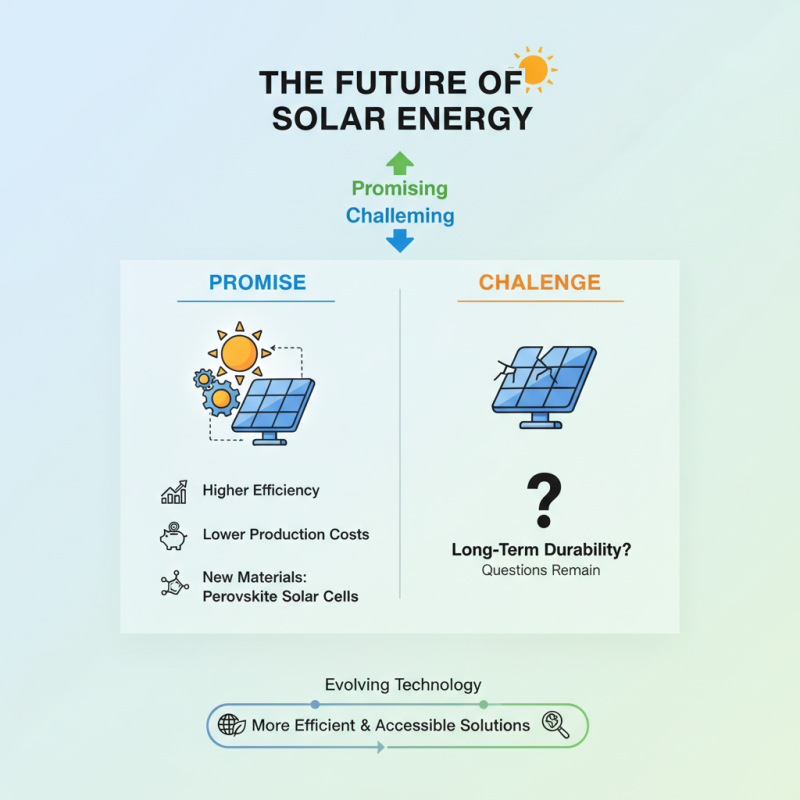
The future of solar energy is promising yet challenging. As technology evolves, solar solutions must become more efficient and accessible. New materials, like perovskite solar cells, show potential. They promise higher efficiency and lower production costs. However, questions remain about their long-term durability.
Integration into urban environments also poses challenges. Rooftop solar panels can disrupt city aesthetics. This leads to a conversation about design and functionality. Cities need to balance energy needs with visual appeal. Innovative approaches, such as solar windows, are emerging. These could seamlessly blend into buildings, producing energy without compromise.
Public policy must adapt to these changes. Incentives need to support research and development. It is not enough to merely produce solar technology; it must be practical. Investment in infrastructure is critical to facilitate solar growth. Yet, the lack of standardization can hinder progress. Stakeholders must collaborate to address these issues proactively. The journey to a sustainable solar future is complex but essential.