Why is HPMC for Sale Important for Your Projects?
In many construction and industrial projects, the use of additives is essential. One such additive gaining popularity is hpmc for sale. Hydroxypropyl Methylcellulose (HPMC) provides a range of benefits. Its unique properties enhance performance in various applications, from construction to pharmaceuticals.
The availability of hpmc for sale can significantly impact project efficiency. Its water-retaining abilities help maintain moisture in mortar and plaster. This ensures proper curing and strength development. However, it's crucial to select the right grade for your specific needs. Not all HPMC products are equal.
Many buyers overlook the importance of quality. Some cheaper options may not deliver reliable results. It's worth considering the long-term benefits of using high-grade HPMC. By doing so, you can avoid potential setbacks that may arise from choosing inferior products. Quality matters, and careful selection pays off in the end.
Importance of HPMC in Construction and Renovation Projects
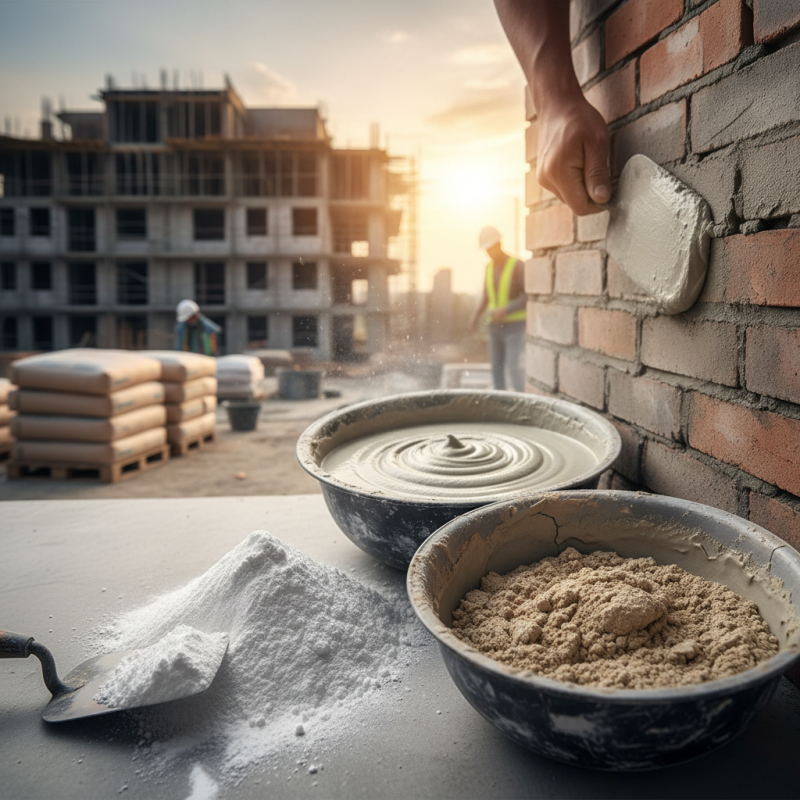
Hydroxypropyl methylcellulose (HPMC) plays a crucial role in construction and renovation projects. This versatile ingredient enhances the performance of various building materials. Its unique properties make it an essential additive in mortar, tile adhesives, and paints.
Using HPMC improves workability in mixes. It allows for easy application, even in difficult conditions. This can significantly speed up project times. In addition, HPMC retains water, preventing premature drying. This is vital for proper curing, enhancing the strength of the final product. A well-cured surface is stronger and more durable.
However, sourcing HPMC can be challenging. Not all suppliers offer high-quality options. It’s essential to verify the composition and consistency. Testing samples can prevent issues later in the project. This step is often overlooked but can impact overall results. Some might find this extra effort burdensome. Yet, ensuring quality materials is worthwhile for long-term success.
Importance of HPMC in Construction and Renovation Projects
Key Properties and Benefits of HPMC in Various Applications
Hydroxypropyl Methylcellulose (HPMC) is a versatile polymer widely used in construction and personal care products. Its water-retaining properties make it essential in improving the workability of cementitious materials. A report from the Global Construction Chemicals Market indicates that demand for HPMC is expected to grow by 5.8% annually through 2025. This strong demand stems from its unique capacity to enhance the adhesive properties and prevent shrinkage.
HPMC is also popular in the pharmaceutical and food industries. Its ability to form gels and stabilize emulsions is crucial for the effectiveness of many products. Data from industry analyses highlight that HPMC contributes significantly to the viscosity control in food formulations. Additionally, its non-toxic nature makes it a favorable choice for numerous applications. However, not all grades of HPMC are created equal. Selecting the right type for specific tasks requires careful consideration.
Despite its advantages, some challenges persist. HPMC may compromise the strength if not used properly, which could lead to issues in building applications. An analysis from market researchers shows that incorrect formulations could result in up to 15% weaker end products. Thus, understanding the specific requirements for each project is vital for optimizing HPMC’s benefits while minimizing potential drawbacks.
Comparison of HPMC with Other Additives in Material Formulation
HPMC, or Hydroxypropyl Methylcellulose, stands out for its unique properties. It is widely used in construction projects and industrial applications. Its versatility in formulations makes it valuable, but it is essential to compare it with other additives.
When looking at alternatives, one common option is cellulose ether. While cellulose ether has similar thickening capabilities, HPMC offers improved water retention. This can be crucial in applications like tile adhesives and plaster. For example, formulations using HPMC often show better adhesion and workability. However, cellulose gets the job done too, albeit with some compromises.
Another additive often considered is synthetic polymers. These materials can enhance flexibility and strength. However, they may affect environmental friendliness and health safety. HPMC, being a cellulose derivative, generally presents fewer concerns in these categories. Still, the cost can be much higher for HPMC. Each project may require a tailored approach, weighing benefits against costs and specific needs.
Guidelines for Selecting the Right HPMC for Specific Project Needs
When selecting the right HPMC for your project, it’s crucial to consider specific requirements. HPMC, or Hydroxypropyl Methylcellulose, is versatile and used in various applications. Different projects need different properties, so assessment is vital. Consider viscosity, gel strength, and solubility. These factors can greatly influence your project's success.
One common oversight is ignoring environmental factors. Humidity, temperature, and application methods can affect HPMC performance. For instance, high humidity can change the way HPMC interacts with water. Also, be mindful of the end-use of your project. For thickening agents in construction, you may require stronger properties. Yet, for food applications, safety and purity are key.
Additionally, it’s important to trial different formulations. What works in theory may not work in practice. Testing various concentrations and types is necessary. Learning from failures can lead to better selections. Many projects evolve in unexpected ways, so flexibility in HPMC selection can be a game-changer. Being open to adjusting choices based on feedback is essential for achieving optimal results.
Cost-Effectiveness of HPMC in Long-Term Project Planning
When planning a project, cost-effectiveness is crucial. HPMC, or Hydroxypropyl Methylcellulose, offers an economical solution. Its versatility makes it a favorite in construction and manufacturing. Using HPMC can lead to significant savings over time.
This material enhances performance without sacrificing quality. It acts as a thickener, binder, and film-former. This reduces the need for multiple additives. However, some projects might overlook its benefits. They may choose cheaper alternatives that compromise performance.
Using HPMC, despite being slightly more expensive initially, often pays off. The reduced risk of defects or failures can save you from costly repairs. In the long run, investing in HPMC can lower overall project costs. It’s a smart choice, but not without its challenges. Balancing initial investment with long-term benefits requires careful planning. Consider your project needs closely.
Why is HPMC for Sale Important for Your Projects? - Cost-Effectiveness of HPMC in Long-Term Project Planning
| Aspect | Details | Cost Impact (per project) | Long-term Benefits |
| Performance | Enhances workability and improves water retention in mixtures. | $500 | Increases durability and reduces maintenance costs. |
| Versatility | Applicable in various construction materials such as mortars and plasters. | $300 | Allows for flexibility in project design and application. |
| Cost Savings | Reduces the need for other additives, lowering overall material costs. | $700 | Optimizes budget allocation throughout the project lifecycle. |
| Sustainability | Environmentally friendly choice promoting sustainable building practices. | $200 | Contributes to energy efficiency and lower environmental impact. |