Top Household Lock Buying Guide for Global Buyers?
When it comes to purchasing a Household Lock, making an informed choice is essential. A household lock plays a critical role in ensuring your family's safety and security. With various types available, finding the right fit can be daunting. Factors such as durability, ease of use, and installation process are crucial to consider.
Quality matters in household locks. Not all locks are created equal. Some may offer only basic security. Others incorporate advanced technology for better protection. Researching brands and reading customer reviews can provide valuable insights. It pays to know what experts recommend and why.
While exploring the market, it’s vital to reflect on your specific needs. What type of lock suits your home best? Some locks may require expert installation. Others can be easily managed by homeowners. Balancing security with convenience is key. Remember, the best household lock is one that fits your lifestyle.
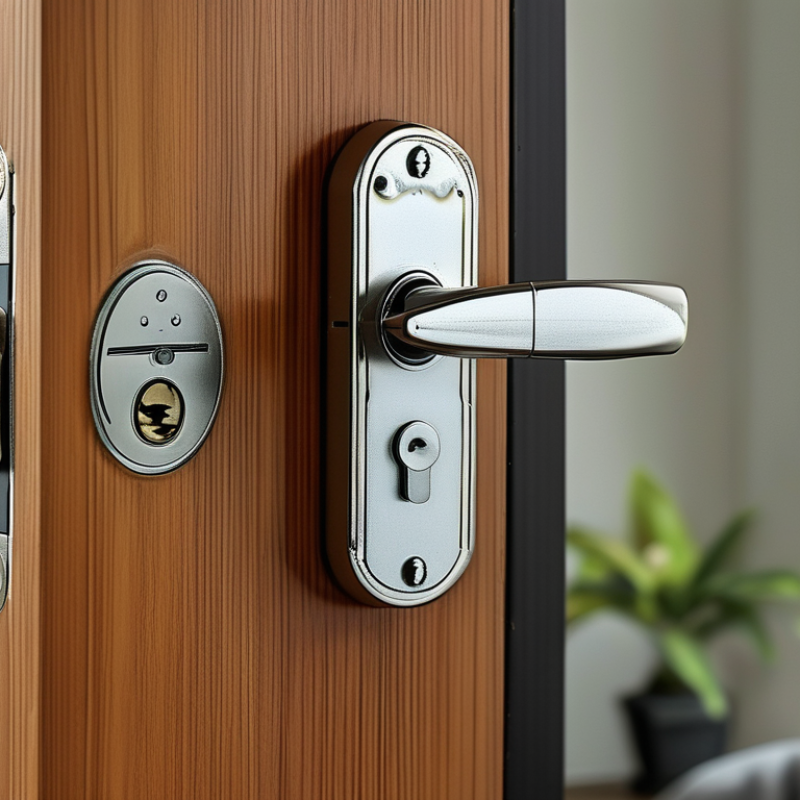
Understanding Different Types of Household Locks Available Globally
Household locks come in various types, each serving unique needs. Understanding these types can empower homeowners to make informed decisions. According to the Global Market Insights report, the global smart lock market is projected to exceed $2 billion by 2025. This highlights a significant shift towards tech-enhanced security solutions.
Deadbolts are a traditional lock type, known for their robust security. They have a simple mechanism and provide a strong defense against forced entry. A study from the American Locksmiths Association emphasizes that deadbolts deter 80% of break-ins. However, the installation requires precision, as improper fitting can compromise security.
Smart locks have gained popularity due to their convenience and technology integration. They can be controlled via smartphones, offering keyless entry features. While they can enhance security, some experts warn that reliance on technology brings vulnerabilities. For instance, a cybersecurity report indicated that weak passwords can lead to unauthorized access. Understanding the strengths and weaknesses of each lock type is crucial for homeowners looking to bolster their security.
Key Features to Consider When Buying Household Locks
When choosing household locks, several key features warrant attention. Security is paramount. According to a 2021 report by the Security Industry Association, nearly 60% of homeowners prioritize lock security over other features. Look for locks with at least a Grade 1 rating from the American National Standards Institute (ANSI). This rating signifies high resistance to unauthorized entry.
Additionally, consider the lock's durability. Materials such as stainless steel and brass offer better longevity and resistance to weather conditions. A study by the Builders Hardware Manufacturers Association states that durable locks can last twice as long as standard models. However, many homeowners overlook this aspect, often opting for cheaper, less reliable options.
Another essential feature is ease of installation. Complex locks can deter DIY enthusiasts, leading to installation errors that compromise security. Simple, user-friendly designs can greatly enhance overall satisfaction. Lastly, think about smart technology. A recent survey found that 45% of consumers are interested in smart locks for added convenience, despite concerns over their cybersecurity. Balancing these elements can lead to more informed and potentially safer buying decisions.
Comparison of Security Ratings for Household Locks
When selecting a household lock, understanding security ratings is essential. Locks receive ratings based on their resistance to forced entry, picking, and drilling. Higher ratings indicate better security but may come at a higher cost. A lock with a higher security level often provides peace of mind but can be more complex and harder to install.
Factors to consider include the lock type and material. Deadbolts generally offer superior protection compared to knob locks. Look for locks made from hardened steel or boron for added strength. Many locks also feature key control, preventing unauthorized duplication. Take time to compare ratings from reputable sources. This can determine the right balance between security and budget.
Evaluate your needs carefully. A high-security lock may not be necessary in a low-risk neighborhood. Think about your experience with lock installation as well. Some models may require professional assistance, which could increase your overall expense. Ensure that the lock you choose aligns with your specific safety requirements. This can lead to better personal satisfaction and security in your home.
Top Household Lock Security Ratings Comparison
Installation and Maintenance Tips for Household Locks
When it comes to household locks, installation and maintenance are crucial for ensuring security. Begin by choosing a suitable location for your lock. This may seem straightforward, but not all areas provide the same level of security. Pay attention to door alignment; misaligned doors can cause locks to jam over time.
Regular maintenance is essential too. Inspect the lock regularly for wear and tear. If you notice difficulty in turning the key, it might need lubrication. Using graphite powder instead of oil can help reduce buildup. Over time, even the best locks may need readjusting. Be prepared to address these minor issues before they become major problems.
Consider washing the lock to remove dirt and dust. An old toothbrush can do wonders in getting into those tight spaces. A clean lock operates smoothly. It's easy to overlook this step, but neglecting it can lead to malfunction. Regular upkeep aids in prolonging the life of your lock, ensuring your home remains secure.
Budgeting for Household Locks: Cost vs. Quality Considerations
When considering household locks, budgeting involves more than just upfront costs. Quality plays a key role in long-term durability and safety. A 2022 report from the American National Standards Institute highlights that high-quality locks can last up to 15 years, while cheaper options may require replacement within five years. The initial savings can lead to higher costs over time.
Research shows that about 70% of homeowners underestimate the impact of lock quality on home security. Investing in durable locks may seem expensive initially, but it ensures better protection against intrusions. A standard deadbolt can range from $30 to $150, with premium models exceeding $300. The choice often reflects personal security priorities.
However, not all high-priced locks guarantee superior security. Some affordable options provide reliable protection, but it requires thorough research. Understanding the materials, lock grades, and installation standards can provide insight. Relying solely on price isn’t advisable. Homeowners must weigh costs against potential long-term benefits and security needs. In doing so, they might realize that a well-informed choice ultimately leads to peace of mind and financial savings.