Exploring China Best Power Solar Solutions for Sustainable Energy?
As global energy demands grow, China's investment in power solar solutions becomes crucial. The country is leading the way in renewable energy technologies. Experts like Dr. Li Wei, a renowned figure in solar energy research, have highlighted, "Solar power is not just a resource; it is a necessity for sustainable development."
This statement reflects the urgent need for innovative approaches in solar technology. Power solar solutions are at the forefront of addressing environmental challenges and energy shortages. The effectiveness of these solutions can be a game changer in reducing carbon footprints and achieving energy independence.
However, the path is not without obstacles. Critical issues such as efficiency, reliability, and integration with existing grids require ongoing attention. China’s rapid advancements come with a need for reflection on sustainability practices and long-term impacts. Only through continuous improvement can the power solar solutions realize their full potential in creating a cleaner, sustainable future.
Overview of Solar Energy in China: Current Landscape and Trends
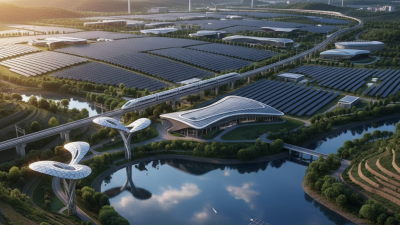
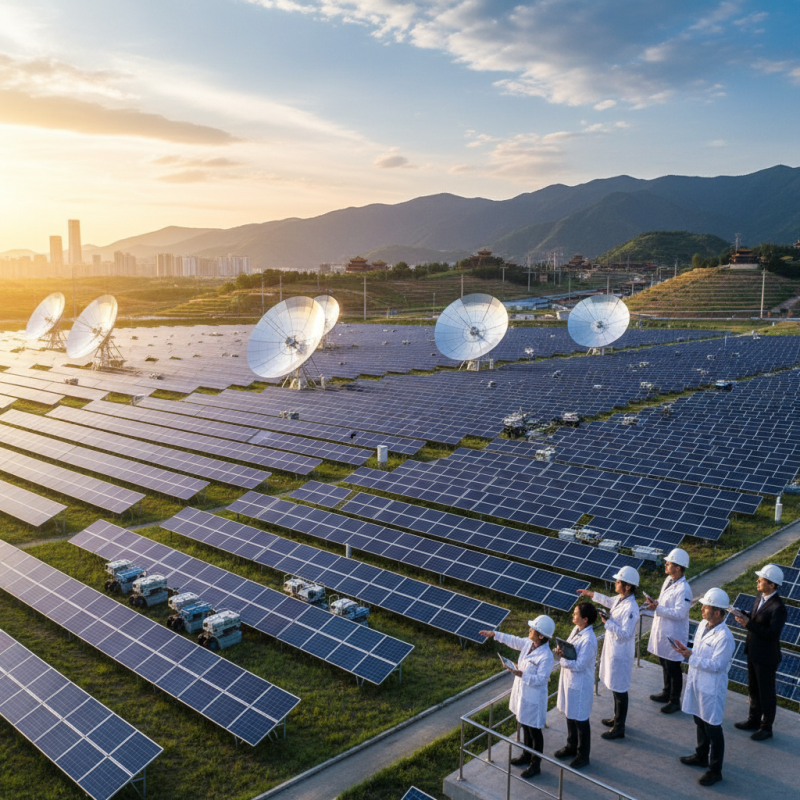
China's solar energy landscape has evolved remarkably over the past decade. The country has become a global leader in solar panel production. The vast solar farms in regions like Gansu exemplify this growth. However, challenges persist in optimizing energy storage and grid integration. These factors are critical for achieving large-scale deployment.
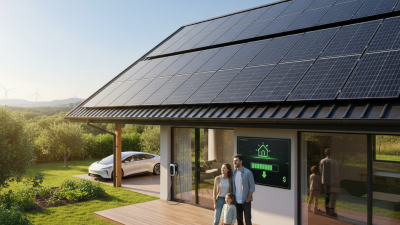
Recent trends indicate a shift towards decentralized solar systems. Many households are installing rooftop panels. This shift empowers consumers and enhances energy independence. Yet, the variability of solar energy raises questions about reliability. Solar energy production fluctuates, influencing supply consistency.
Efforts to enhance energy efficiency are underway, but the path is not straightforward. Policy support is strong, yet implementation varies across provinces. Local governments often face resource constraints. Sustainable energy initiatives need more robust coordination. Balancing rapid expansion with ecological concerns is also vital. These complexities highlight the need for careful planning and innovation.
Key Players in China's Solar Power Sector: Companies and Innovations
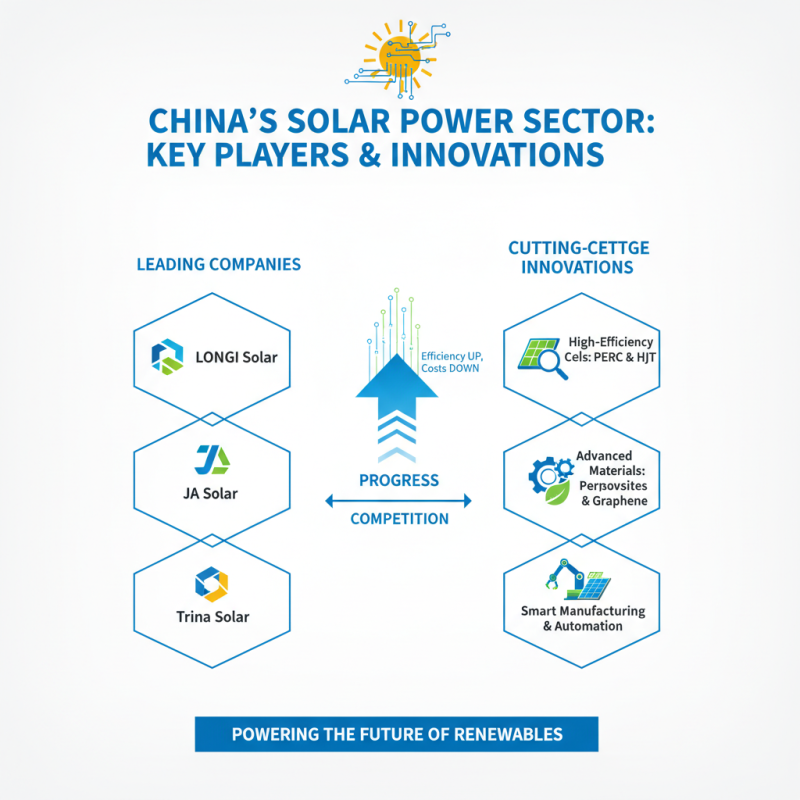
China's solar power sector is rapidly evolving. Innovation is at the heart of this transformation. Companies are developing cutting-edge technologies that enhance efficiency and reduce costs. This dynamic environment fosters competition, leading to better products for consumers. Solar panels are now more efficient than ever, with breakthroughs in material science and production techniques.
Key players in the sector are investing heavily in research. They focus on solar storage solutions, which address the intermittent nature of sunlight. These advancements are essential for integrating solar power into the broader energy grid. However, challenges remain. Many companies face regulatory hurdles that can slow down progress. Additionally, the market can be unpredictable, impacting investment decisions.
Collaboration among industry stakeholders is crucial. It encourages knowledge sharing and innovation. Despite these efforts, some businesses struggle to keep pace. They must adapt quickly to changing technologies and consumer preferences. The future of solar energy in China is promising, but it requires continuous effort and reflection on past strategies.
Technological Advances in Solar Solutions: Efficiency and Sustainability
Technological advances in solar solutions have transformed the energy landscape in recent years. According to the International Energy Agency (IEA), solar energy capacity increased by over 22% worldwide in 2022. This sharp rise highlights the growing trust in solar technology for sustainable energy. Improved efficiency is a key factor driving this trend. Modern photovoltaic (PV) cells can now achieve efficiencies exceeding 22%, a notable increase from the 15% efficiency rates seen a decade ago.
However, challenges remain. The production of solar panels involves resource-intensive processes that can have environmental impacts. For instance, manufacturing silicon solar cells requires significant energy. Additionally, the recycling of solar panels is still in its infancy. Current recycling methods can recover only about 80% of materials, leading to concerns about waste. The need for effective recycling and sustainable production practices is critical.
Innovative solutions are essential. Researchers are exploring alternative materials, such as perovskite, which could lower production costs and improve efficiencies further. This approach could lead to cheaper and more efficient solar solutions in the future. However, overcoming the stability and longevity challenges associated with these new materials is crucial for widespread adoption. As the industry evolves, continuous innovation and honest reflection on our sustainable practices are necessary.
Exploring China Best Power Solar Solutions for Sustainable Energy
| Technology Type |
Efficiency (%) |
Sustainability Index (1-10) |
Average Cost (per watt) |
Lifespan (Years) |
| Monocrystalline |
20.5 |
8 |
$0.80 |
25 |
| Polycrystalline |
17.5 |
7 |
$0.70 |
25 |
| Thin Film |
11.0 |
6 |
$0.50 |
20 |
| Bifacial |
21.0 |
9 |
$0.90 |
30 |
| High Efficiency |
23.0 |
8 |
$1.00 |
25 |
Government Policies and Incentives for Solar Energy Development
China has emerged as a global leader in solar energy development, driven significantly by government policies. The country has set ambitious targets, aiming for 1,200 GW of installed solar capacity by 2030. This goal showcases the government's commitment to sustainable energy.
One crucial aspect is the introduction of incentives for solar energy adoption. Reports indicate that regions with favorable policies saw a 30% increase in solar installations. Financial incentives, such as feed-in tariffs and tax rebates, encourage both businesses and households to invest. As a result, solar power is now one of the most affordable sources of electricity in China.
Despite these advancements, challenges remain. The solar energy market faces issues like regulatory inconsistencies. Local governments may interpret national policies differently. This often leads to confusion among investors. Moreover, over-reliance on subsidies has resulted in a less resilient market structure. Continuous evaluation and reform of these policies will be essential for sustaining growth in China's solar sector.
The chart above illustrates the installed solar capacity in China from 2018 to 2023, highlighting the significant growth driven by government policies and incentives for solar energy development.
Challenges and Future Prospects for Solar Energy in China
Solar energy in China faces significant challenges despite its growth. The rapid expansion of solar farms has raised concerns about land use. Some agricultural areas are being repurposed for solar panels, which impacts food production. Balancing energy needs with agricultural sustainability requires careful planning.
Another issue is technology reliability. Many solar systems encounter performance issues due to inconsistent manufacturing standards. This inconsistency leads to varying output levels, affecting overall efficiency. Investing in quality control measures is essential for improvement in this sector.
Moreover, public perception plays a role. While solar energy is embraced, some communities resist large installations. These projects can alter landscapes and disrupt local ecosystems. Engaging with communities and including local stakeholders in planning processes may help mitigate resistance. The path forward demands collaboration and a focus on both innovation and sustainable practices.