10 Essential Tips for Implementing Green Power Solutions Today
The transition to green power solutions is more urgent than ever. According to a report by the International Energy Agency (IEA), global CO2 emissions must drop by 45% by 2030 to combat climate change effectively. Implementing green power solutions can drastically reduce emissions and create a sustainable future. Yet, many businesses still hesitate to adopt these methods.
Data from the Renewable Energy Policy Network shows that renewables accounted for 29% of global electricity generation in 2020. This growth represents a significant shift. However, skepticism remains prevalent. Companies often underestimate the long-term benefits of switching to green power solutions. They may worry about initial costs, overlooking potential savings and incentives.
Moreover, the awareness of diverse green power options is lacking. From solar energy to wind power, choices abound. But not all businesses know how to begin. Addressing these gaps can foster a more significant commitment to sustainability. Green power solutions are not just a trend; they are essential for a healthier planet.
Understanding Green Power Solutions and Their Importance
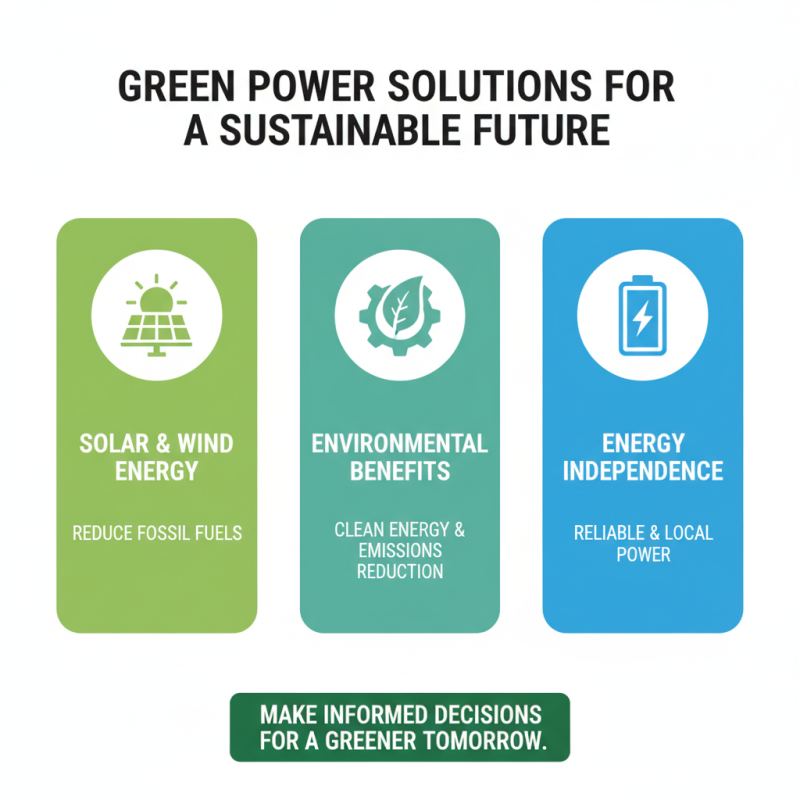
Green power solutions, like solar and wind energy, are vital for a sustainable future. They reduce our reliance on fossil fuels. This shift not only helps the environment but also promotes energy independence. Understanding these solutions helps individuals and businesses make informed decisions.
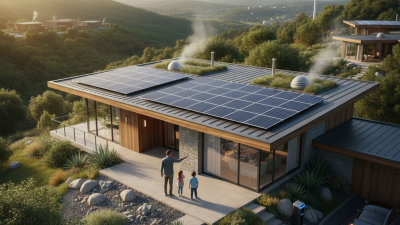
Start small. Consider installing solar panels on your roof. It's a significant step towards harnessing renewable energy. Look into community solar projects. They provide access for those who can’t install panels themselves. Understand the benefits of energy efficiency. Upgrading insulation can reduce energy waste.
Monitoring usage is key. Track your energy consumption. This awareness empowers you to make better choices. Using smart devices can optimize energy use effectively. Every little step counts in embracing green power solutions. Even small changes can lead to substantial benefits for the planet. Reflect on your current habits. There’s always room for improvement.
Identifying Suitable Green Energy Sources for Your Needs
When considering green power solutions, identifying suitable energy sources is crucial. According to the International Renewable Energy Agency (IRENA), wind and solar power are the most rapidly growing sources of renewable energy. These solutions can be tailored to fit your specific needs, whether for residential or commercial use.
Evaluate your energy consumption patterns first. Are you a heavy user during the day? Solar panels may be ideal. A report from the U.S. Department of Energy shows that solar energy can reduce electricity bills by up to 70% in optimal conditions.
When implementing green power, keep in mind some practical tips. Look into local incentives that support renewable energy adoption. This can significantly reduce initial costs. Also, consider hybrid systems. Combining different sources, like solar and wind, ensures a more consistent energy supply.
Even small adjustments, such as using energy-efficient appliances, contribute to a larger impact. Reflect on your choices and their long-term effects; sometimes, potential solutions might not align perfectly with your lifestyle.
Assessing Initial Costs and Long-Term Savings of Green Power
Implementing green power solutions often raises questions about initial costs versus long-term savings. Many are initially put off by the upfront investment needed. Solar panels, wind turbines, and energy-efficient appliances can seem expensive at first glance. However, these technologies can drastically reduce utility bills over time. The initial cost may feel like a burden, but the payoffs are undeniable.
Consider the savings from solar energy. After installation, users can generate their own electricity. In many cases, this results in reduced monthly bills. It may take several years to break even, but the long-term benefits accumulate. Reduced energy costs contribute to household budgets, allowing for more financial freedom in the future.
A reflective approach is needed. Not all green solutions are suitable for everyone. Factors such as local climate, space, and available incentives vary. Some might find installing certain technologies not worth the effort. Weighing the environmental impact against personal circumstances is essential. While green power offers many benefits, it’s crucial to choose wisely.
Establishing a Strategy for Transitioning to Green Energy
Transitioning to green energy requires a well-thought-out strategy. Start by assessing your current energy consumption. Identify areas where you can reduce waste. Track your energy use carefully. This will help you understand your baseline and the steps needed for improvement.
Engage your team in brainstorming. Share ideas on how to use renewable sources effectively. Consider small-scale solar panels or wind turbines. Even minor adjustments can lead to significant savings over time. Regular meetings can maintain momentum. Evaluate progress and adjust strategies as needed.
Keep in mind that not all measures will work perfectly, and some may fail. It’s essential to learn from these setbacks. Reflect on what doesn't work and why. Flexibility is key to a successful transition. Every step toward green energy contributes to a healthier planet. Remain committed to adapting your plans based on real-world outcomes.
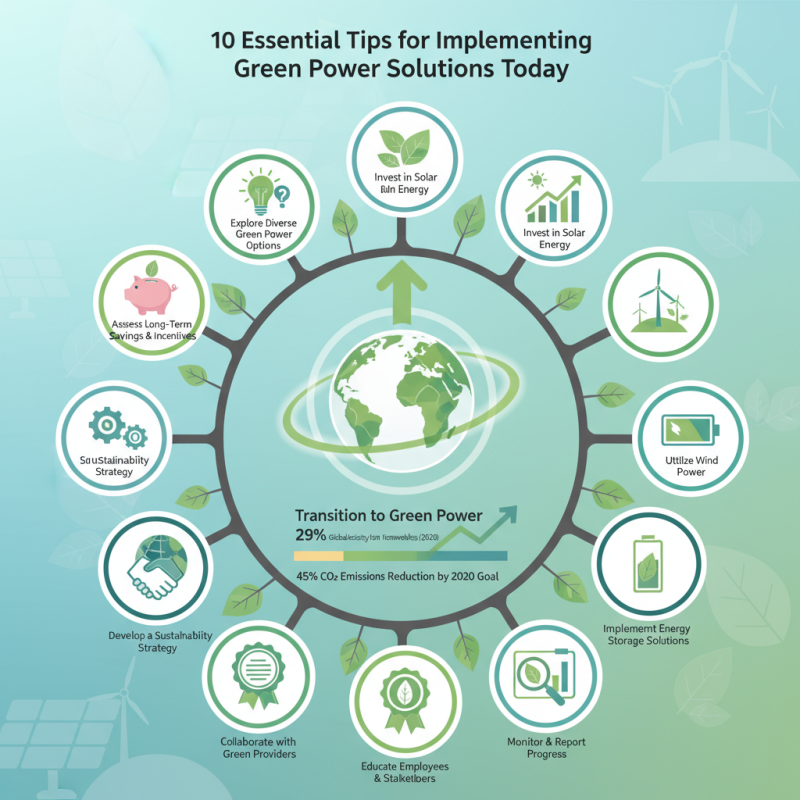
10 Essential Tips for Implementing Green Power Solutions Today - Establishing a Strategy for Transitioning to Green Energy
| Tip No. | Tip Description | Expected Benefits | Implementation Steps |
|---|---|---|---|
| 1 | Conduct an Energy Audit | Identify energy usage and savings opportunities | Hire auditor, analyze data, prioritize actions |
| 2 | Set Clear Goals | Focus efforts, measure progress | Define targets, establish metrics, communicate |
| 3 | Invest in Renewable Energy Sources | Reduce carbon footprint | Research options, budget for investment, install |
| 4 | Engage Stakeholders | Build support for green initiatives | Conduct meetings, gather feedback |
| 5 | Utilize Energy-Efficient Technologies | Reduce energy consumption | Identify technologies, plan upgrades |
| 6 | Implement a Sustainability Policy | Guide decision-making and actions | Draft policy, communicate to staff |
| 7 | Educate Employees | Increase awareness and engagement | Organize training sessions, distribute materials |
| 8 | Monitor and Report Progress | Track improvements and accountability | Set reporting intervals, share results |
| 9 | Partner with Local Renewable Providers | Access local resources and expertise | Research partners, establish collaborations |
| 10 | Promote Green Power to Customers | Enhance brand image and customer loyalty | Develop marketing materials, share success stories |
Monitoring and Optimizing Performance of Green Power Systems
Monitoring and optimizing the performance of green power systems are crucial for achieving sustainable energy goals. Recent studies show that over 30% of installed renewable energy systems underperform due to inadequate monitoring techniques. Real-time data analysis can enhance efficiency by 10 to 30%, yielding significant energy savings. Yet, many facilities still lack robust monitoring tools, leading to energy loss.
Effective performance tracking requires a blend of technology and strategy. Many systems need updates. Smart meters and IoT devices can provide valuable insights. However, the cost of implementation can be a barrier. A report by the International Renewable Energy Agency indicated that up to 40% of renewable installations do not utilize advanced analytics. This oversight hinders potential growth in energy yield and sustainability.
Engaging regularly with performance data fosters continuous improvement. Organizations often realize patterns only after extended periods, delaying action. Using software for trend analysis can identify issues before they escalate. Inadequately addressed systems can lead to higher operational costs and energy waste. Green power solutions need meticulous attention to ensure they deliver on their promises for a sustainable future.
Related Posts
-
Top 10 Renewable Power Solutions for a Sustainable Future
-
2025 How to Choose the Best Green Energy Solutions for Your Home
-
What is Sustainable Energy Solutions and How Can They Benefit Our Future
-
Top Innovative Energy Storage Solutions for a Sustainable Future?
-
2026 Top Renewable Solutions for a Sustainable Future?
-
Top 10 Green Power Solutions Tips for Sustainable Energy Transition
CORPORATE HEADQUARTERS
North America
California
AGIC Energy North America LLC
13025 Danielson Street, Suite 105
Poway, CA 92064 – USA
Phone Number: +1 (858) 842 1513
Email: info@site_cc52bd27-560c-4f9d-bd66-63718fc42539
Sales: sales@site_cc52bd27-560c-4f9d-bd66-63718fc42539