10 Essential Tips for Exploring New Energy Solutions in 2026?
Exploring new energy solutions in 2026 is crucial for a sustainable future. Experts, like Dr. Emily Johnson, emphasize the importance of this exploration. She stated, “Innovation in energy is key to tackling climate change.” Her words resonate deeply in a world facing energy challenges.
The quest for new energy solutions requires a multifaceted approach. There’s no one-size-fits-all answer. Industries must adapt and innovate, often in unexpected ways. Renewable sources like solar and wind can be part of this evolution. Yet, implementation can be slow and costly.
Many face obstacles. Funding and policy support can be insufficient. Moreover, consumer habits are entrenched. New technologies may not get immediate acceptance. Reflecting on these challenges can help us formulate effective strategies. Adapting to the changing landscape of new energy solutions is essential and requires commitment from all sectors.

Exploring Market Trends: Growth of Renewable Energy Solutions by 2026
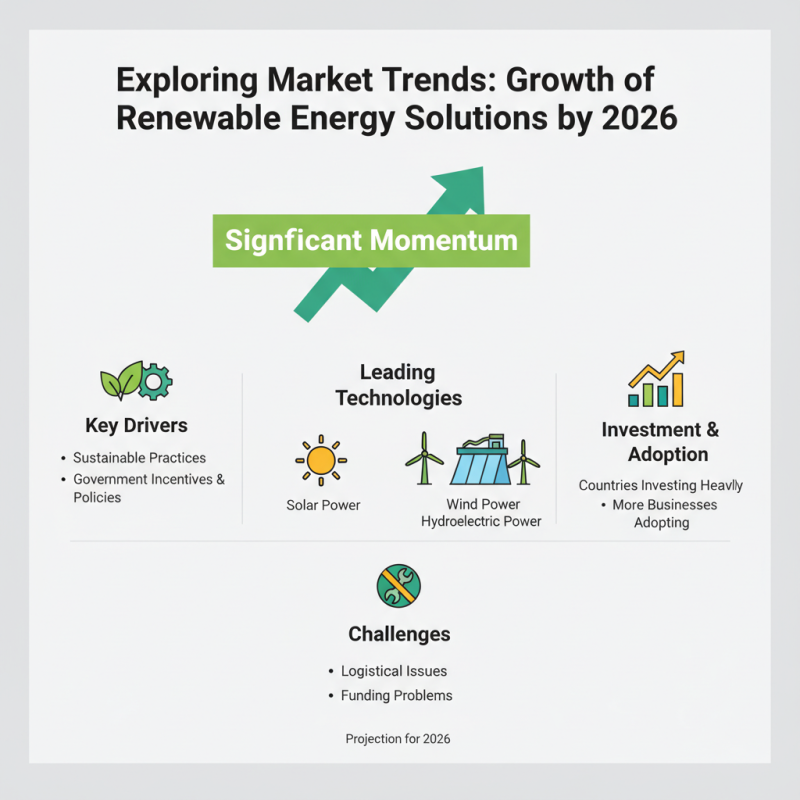
In 2026, renewable energy solutions are projected to gain significant momentum. A noticeable shift toward sustainable practices is driving this growth. Countries are investing heavily in solar, wind, and hydroelectric power. With government incentives and changing policies, more businesses are adopting these solutions. But not all initiatives are equally successful. Some projects face logistical challenges and funding issues.
Consumer interest in green energy is rising. People are more aware of environmental issues. This awareness is pushing many to seek cleaner alternatives. Yet, there’s still skepticism about the reliability of renewable energy sources. Many still rely on traditional fossil fuels. This reliance creates a paradox where growth is stifled by old habits.
As we navigate this transition, it’s essential to reflect on implementation. Not every renewable project is feasible in all regions. Infrastructure limitations can impede progress. Coordination between governments and private sectors is key. Without effective collaboration, achieving energy goals can be difficult. Exploring these market trends offers insights, but the path forward remains complex.
Evaluating Technological Innovations in Energy Storage Systems for 2026
As we look ahead to 2026, the landscape of energy storage systems is evolving remarkably. Technological innovations are reshaping how we think about energy. New materials are being developed for batteries, enhancing their capacity and lifespan. This progress is crucial for integrating renewable energy sources.
When exploring new energy solutions, consider how these technologies work in real-world applications. Evaluate capacity, efficiency, and cost. Understanding these factors can help gauge the feasibility of new systems. The integration of artificial intelligence in energy management is another area worth investigating. AI can optimize energy distribution and reduce waste.
One tip is to stay updated on research and pilot projects. They often showcase innovative practices and unforeseen challenges. Real-world failures can teach valuable lessons. Additionally, engaging with local communities can provide insights. People's experiences often highlight practical issues that may not be apparent in controlled studies. This feedback is essential for refining technology and ensuring successful implementation.
Understanding Policy Impacts: Government Incentives for New Energy Investments
As we look ahead to 2026, the focus on new energy solutions is gaining momentum. Policymakers play a crucial role in shaping this transition. Government incentives can significantly impact investments in renewable energy sectors. According to a recent report by the International Renewable Energy Agency (IRENA), countries with strong policy frameworks experience up to 40% higher investment levels in clean energy.
Understanding the nuances of these policies is essential. For example, tax credits, grants, and subsidies can encourage new projects. In the US, the Inflation Reduction Act led to a surge in solar and wind developments. In 2025, nearly 50% of new energy installations were attributed to these incentives.
When exploring new energy opportunities, consider these essential tips. Evaluate existing government programs that align with your goals. Leverage data on successful case studies to guide your decisions. Engage in local energy forums to understand community needs and challenges.
Keeping an eye on emerging technologies is vital. However, not all innovations will mature. Some may lack the necessary funding or regulatory support. Diversifying investments can mitigate these risks. Stay adaptable and ready to pivot as policies evolve.
10 Essential Tips for Exploring New Energy Solutions in 2026 - Understanding Policy Impacts: Government Incentives for New Energy Investments
| Tip Number | Tip Description | Potential Incentive Mechanism | Expected Impact |
|---|---|---|---|
| 1 | Identify viable energy resources in your area. | State tax credits for renewable resources. | Increased local energy production. |
| 2 | Invest in energy efficiency technologies. | Federal grants for technology upgrades. | Reduced energy consumption costs. |
| 3 | Collaborate with local governments for support. | Partnership programs and subsidies. | Enhanced community engagement. |
| 4 | Stay informed about policy changes. | Information sessions and workshops. | Better preparedness for new regulations. |
| 5 | Utilize funding opportunities for research. | Research grants from government entities. | Innovations in energy solutions. |
| 6 | Engage in public-private partnerships. | Matching funds for collaborative projects. | Resource sharing and risk mitigation. |
| 7 | Promote community awareness and education. | Community grants for educational programs. | Increased public support for initiatives. |
| 8 | Implement pilot projects for testing solutions. | Funding for pilot programs from government. | Risk reduction in full-scale projects. |
| 9 | Network with other innovators in the field. | Support programs for networking events. | Collaboration leading to new ideas. |
| 10 | Monitor and evaluate progress regularly. | Funding for monitoring frameworks. | Informed decision-making for future investments. |
Assessing Consumer Preferences: Shifts in Demand for Sustainable Energy Options
As we move into 2026, consumer preferences for energy solutions are evolving rapidly. People are becoming more conscious of their environmental impact. They seek energy sources that are sustainable and renewable. Solar and wind energy are gaining traction. However, not everyone can afford these options yet. Accessibility remains a significant barrier.
Shifts in demand show that consumers want transparency. They prefer companies that prioritize eco-friendly practices. Some consumers still rely on traditional energy sources. It’s a dilemma; they want to support sustainability but face economic challenges. Energy usage in urban areas reflects these mixed feelings. Cities are investing in infrastructure, yet many individuals struggle with the transition.
Energy providers need to listen closely. Understanding these shifts is essential for developing better solutions. Engaging with consumers about their needs is crucial. While there’s a clear move toward green energy, the journey is complex. Addressing affordability and accessibility is key to embracing new energy solutions fully.
Consumer Preferences for Sustainable Energy Solutions in 2026
Analyzing Investment Strategies: Funding Opportunities in Emerging Energy Technologies
When exploring new energy solutions in 2026, investment strategies play a crucial role. Funding opportunities are emerging in various sectors like solar, wind, and battery technologies. Investors should consider diversifying their portfolios. This can help mitigate risks in unpredictable markets.
Collaboration is vital. Build networks with innovators and startups. Attend conferences and workshops to connect with key players. These interactions can uncover hidden opportunities. Don’t overlook smaller companies; they often lead in innovation.
Keep an eye on regulations and policies. Changes can significantly impact investment viability. Analyze trends closely. Sometimes, the most promising technologies may not receive immediate attention. These situations require careful observation and strategic timing.
Related Posts
-
Top 10 Renewable Energy Solutions You Need to Know?
-
Top 10 Renewable Power Solutions for a Sustainable Future
-
2025 How to Choose the Best Green Energy Solutions for Your Home
-
What is Sustainable Energy Solutions and How Can They Benefit Our Future
-
Why Clean Green Energy Solutions Are Essential for a Sustainable Future
-
How to Choose the Best Clean Green Energy Solutions for Your Home?
CORPORATE HEADQUARTERS
North America
California
AGIC Energy North America LLC
13025 Danielson Street, Suite 105
Poway, CA 92064 – USA
Phone Number: +1 (858) 842 1513
Email: info@site_cc52bd27-560c-4f9d-bd66-63718fc42539
Sales: sales@site_cc52bd27-560c-4f9d-bd66-63718fc42539