10 Essential Tips for Choosing the Right Energy Storage Solutions?
Choosing the right energy storage solutions is crucial for businesses and homes moving towards sustainability. As the industry expert Dr. Sarah Thompson states, "Effective energy storage is key to unlocking renewable energy's potential." Her insights highlight the importance of selecting the appropriate systems tailored to specific needs.
Energy storage solutions come in various forms, from lithium-ion batteries to pumped hydro storage. Understanding these options can be challenging. Not all solutions fit every scenario. For instance, a residential solar setup may not require the same storage capacity as a large commercial facility. Analyzing your energy needs and usage patterns is essential.
Accessing reliable and proven technology is vital. Poor choices can lead to wasted investments and insufficient energy during peak times. As you evaluate your options, keep in mind that the landscape of energy storage is always evolving. New technologies emerge regularly. Being informed can make all the difference in making the right decision. Embrace the journey toward effective energy solutions.
Understanding Your Energy Storage Needs and Capacity Requirements
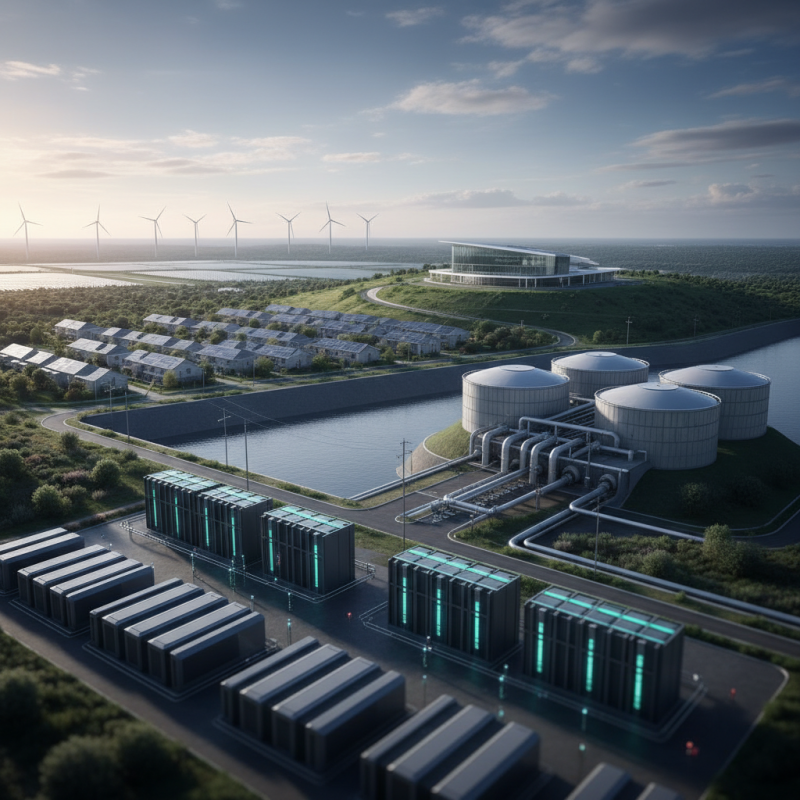
When selecting energy storage solutions, it’s crucial to understand your unique needs and capacity requirements. Start by assessing the types of energy you regularly consume. Are you heavily reliant on renewable sources, or do you need backup power for outages? Knowing this helps guide your decision.
Consider your space and budget as well. Large systems can be costly and may require specific installations. Some solutions might not fit your home or business layout. Evaluate how much energy you use daily and what capacity is realistically achievable. While dreaming big is tempting, practicality is essential.
Don’t forget about the environmental impact. Some batteries pose greater disposal challenges than others. Research longevity and efficiency ratings. This information will inform your overall choice. It’s also wise to reflect on what your community supports. Local incentives can affect your final decision. Balancing personal needs with broader considerations will lead you to a more sustainable choice.
Energy Storage Capacity Comparison
This chart displays the energy capacity of various energy storage technologies, highlighting their comparative advantages. Understanding these capacities can assist in selecting the appropriate solution for your energy storage needs.
Evaluating Different Types of Energy Storage Technologies
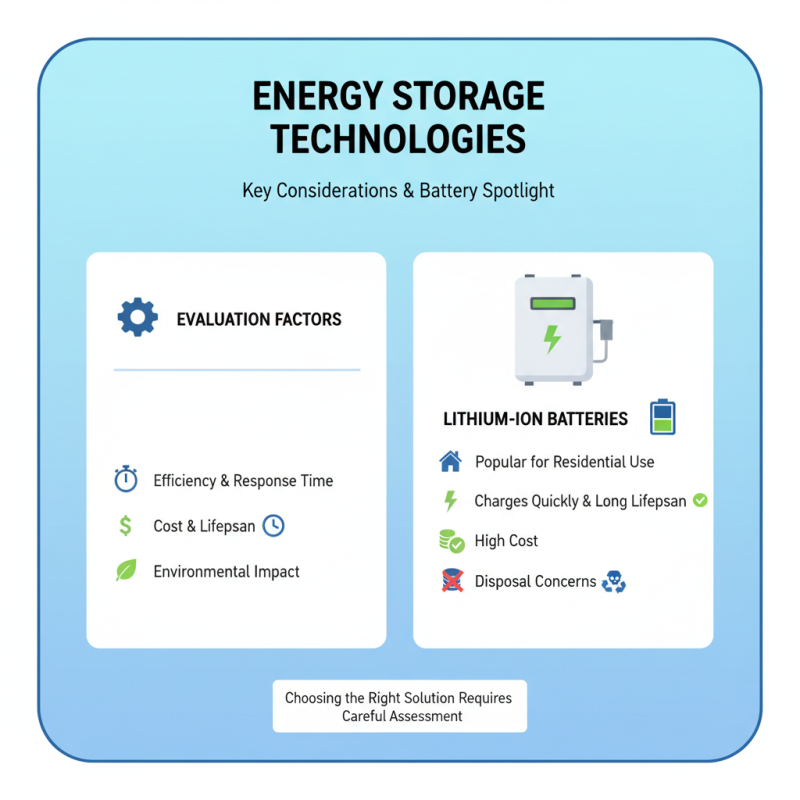
When evaluating different types of energy storage technologies, it's crucial to consider several factors. Battery storage is popular for its efficiency and response time. Lithium-ion batteries are common for residential use. They charge quickly and have a long lifespan. However, they can be costly and may require careful disposal due to environmental concerns.
Pumped hydro storage is another option. It uses gravitational potential energy to store energy. This method is reliable but requires specific geographical conditions. Facility setup can be complex and often takes years. Supercapacitors provide fast energy discharge, ideal for short bursts, but they have limited capacity.
Each technology has advantages and drawbacks. It's essential to assess your specific energy needs and constraints. Not every solution will suit every situation, and costs can vary widely. Continued research and innovation in storage technologies remain necessary. Understanding these elements will guide better energy storage decisions.
Comparing Cost-Effectiveness and Long-Term Savings of Solutions
When selecting energy storage solutions, it's essential to evaluate cost-effectiveness and long-term savings. Start by considering initial setup costs. Different systems have varying price points. A low upfront cost might seem appealing, but think about efficiency and lifespan. Lower quality solutions can lead to higher maintenance costs later.
Durability plays a crucial role in long-term savings. Some options last longer than others, meaning lower replacement frequencies. Lifespan also directly impacts overall costs. Calculate potential savings over time. This thorough analysis is vital for making an informed decision. What appears cheap today might cost more in the future.
Consider energy rates in your area. Fluctuations can influence the financial benefits of each solution. Select a system that can adapt to changing conditions. However, certain technologies might not perform well under all circumstances. Look for proven performance metrics. Research user reviews to gather real-world insights. Balancing initial investment with future benefits will guide your choice effectively.
Considering Installation Requirements and Spatial Constraints
When selecting energy storage solutions, installation requirements and spatial constraints play a pivotal role. Consider that the U.S. Energy Information Administration projects energy storage capacity will triple by 2025. This growth means more options, but also challenges in installation. The system's size, weight, and location impact your decision. For instance, lithium-ion batteries are compact, requiring less space than traditional lead-acid systems, which need more room for backup systems.
Pay attention to specific installation guidelines. Each type of storage has its own safety and code requirements. For example, renewable energy systems often necessitate additional certifications. Reports indicate that nearly 30% of solar installations face regulatory hurdles linked to energy storage. Evaluate your space availability and assess potential obstacles like access to sunlight and proximity to electrical panels.
Also, reflect on your long-term energy needs. Oversizing a system may lead to wasted resources and increased costs. On the other hand, underestimating can result in energy shortfalls. The integration of energy storage with solar (up to 40% capacity increase) requires meticulous planning. This process is complex, as the right choice hinges on aligning technology with your unique environmental and infrastructural limitations.
Assessing Environmental Impact and Sustainability of Options
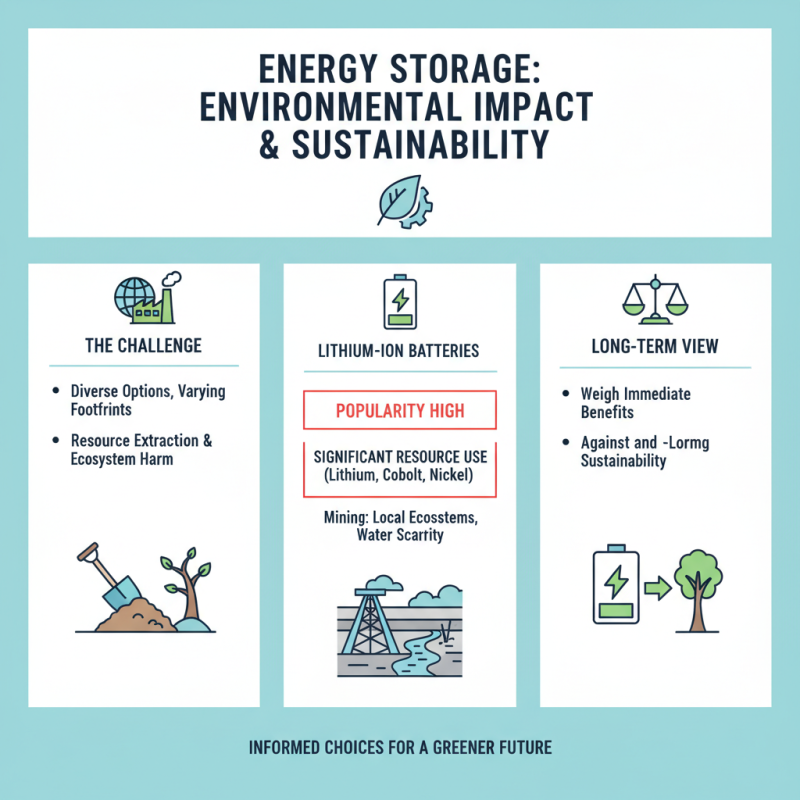
When selecting energy storage solutions, assessing their environmental impact is critical. Many options exist, but they all come with different ecological footprints. Lithium-ion batteries, for instance, are popular but require significant resources for extraction. This mining process can harm local ecosystems and lead to water scarcity. We need to weigh immediate benefits against long-term sustainability.
Sustainability should inform every choice. Renewable energy sources are more favorable, yet they also have their drawbacks. Some physical space is necessary for solar panels or wind turbines. Moreover, their production can generate carbon emissions. It’s essential to scrutinize the lifecycle of these products. From creation to disposal, the environmental impact must be transparent.
Considering alternatives can enhance sustainability. Technologies like flow batteries might offer a longer lifespan, serving as a viable option. However, their adoption faces challenges. Current infrastructure may not support widespread implementation. Communities should engage in discussions about local energy needs and solutions. Collaboration can lead to better choices that balance energy demands and environmental responsibilities.