What is an Electric SUV Car and Why is it Popular?
The Electric Suv Car has emerged as a compelling choice for modern drivers. These vehicles combine the functionality of SUVs with the eco-friendly benefits of electric power. As consumers become more environmentally conscious, the popularity of electric SUVs continues to grow.
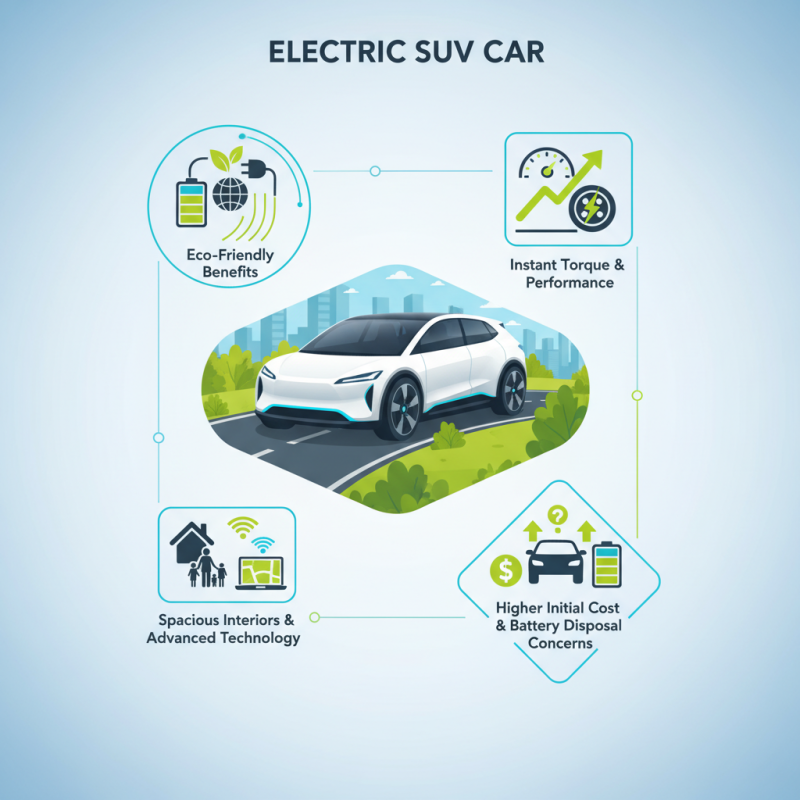
One key factor in their appeal is performance. Electric SUVs deliver instant torque, providing a smooth and responsive driving experience. Furthermore, they often feature advanced technology and spacious interiors, making them practical for families. However, the charging infrastructure still needs improvement in many regions, leading to range anxiety for some drivers.
Despite their advantages, Electric SUV Cars are not without challenges. The initial cost can be higher compared to traditional vehicles. Additionally, battery disposal and environmental impact are important considerations. As the market evolves, consumers should weigh these factors carefully. The future of Electric SUV Cars looks promising, though reflection on their limitations is necessary.
What is an Electric SUV Car?
Electric SUVs are becoming increasingly popular among eco-conscious consumers. These vehicles are designed with electric powertrains, which reduce carbon emissions significantly compared to traditional gasoline-powered SUVs. With the growing awareness of climate change, many people are looking for sustainable alternatives. Electric SUVs offer a combination of space, comfort, and environmental benefits.
The design of electric SUVs varies widely. Many feature sleek lines and modern interiors. The spaciousness of these vehicles provides ample room for families. Most are equipped with advanced technology, including regenerative braking and smart connectivity features. This technology enhances the driving experience while contributing to energy efficiency. However, there are still challenges. Charging infrastructure is not universally available, making long trips tricky for some users. Additionally, battery range varies, which can affect daily usability.
As electric SUVs gain traction, consumers need to consider both advantages and disadvantages. The initial purchase price can be higher, though savings may occur over time. Maintenance costs are often lower than traditional vehicles. Balancing these factors is crucial for potential buyers. The allure of driving an electric SUV lies in its combination of sustainability, versatility, and innovation.
Key Features of Electric SUV Cars
Electric SUVs are gaining popularity for their unique features and benefits. One key feature is their spacious interior. This makes them ideal for families and long trips. The cargo space is often generous, accommodating all your gear easily. Many models feature a flat floor, enhancing comfort for passengers.
Another significant aspect is the advanced technology incorporated in electric SUVs. They often come equipped with smart infotainment systems. These systems facilitate seamless connectivity, with options like voice commands and touchscreen controls. Moreover, safety technology is often enhanced, providing features like lane assist and collision warnings.
Despite their advantages, electric SUVs come with challenges. Charging infrastructure is still developing, which can be a concern for long-distance travel. Additionally, the initial purchase price may be higher compared to traditional vehicles. This can deter potential buyers. Consumers need to weigh these factors carefully before making a decision.
Benefits of Electric SUVs Over Traditional Vehicles
Electric SUVs are gaining traction, largely due to their numerous advantages over traditional vehicles. One key benefit is environmental impact. Electric vehicles produce lower emissions, which significantly reduces air pollution. This ecological consideration appeals to environmentally conscious consumers. Also, electric SUVs typically have a smaller carbon footprint. This shift helps in combating climate change.
Cost savings add to the appeal. Electric SUVs usually cost less to operate over time. They require less maintenance compared to traditional gasoline engines. This is mainly due to fewer moving parts. Charging can also be cheaper than fueling up at the gas station, especially as renewable energy sources grow. However, the initial purchase price can still be high.
The smooth driving experience is another noteworthy aspect. Electric motors deliver instant torque. This results in a quick response, making for a fun drive. However, some consumers may miss the traditional engine growl. Range anxiety remains a concern for many potential buyers. Despite these issues, the overall benefits of electric SUVs continue to attract attention.
The Growing Popularity of Electric SUVs in the Automotive Market
The electric SUV market has seen remarkable growth over the past few years. According to a report by the International Energy Agency (IEA), electric vehicle sales surged by 54% in 2021, with electric SUVs making up a significant portion of this increase. Consumers are drawn to electric SUVs for their spacious interiors and advanced technology. Research indicates that the global electric SUV market could reach over $40 billion by 2027.
Environmental concerns play a crucial role in this trend. Many buyers are motivated by the desire to reduce their carbon footprint. A study by McKinsey highlights that nearly 70% of consumers consider electric vehicles as a solution to climate change. The growing availability of charging infrastructure further drives the popularity of electric SUVs. However, challenges remain with the range and charging speeds. Many potential buyers still question whether electric SUVs can meet their daily needs.
Technological advances continue to improve battery efficiency and performance. Yet, not every electric SUV on the market achieves these advancements equally. Analysts highlight inconsistency in range and battery durability. It’s essential for consumers to research and compare models to find one that fits their lifestyle. The electric SUV market is evolving rapidly, but it still requires careful consideration from buyers.
Electric SUV Popularity Growth (2018-2023)
This chart illustrates the growing popularity of electric SUVs in the automotive market from 2018 to 2023, based on the number of units sold worldwide. As consumer preference shifts towards more sustainable vehicles, electric SUVs have seen significant increases in sales over the years.
Future Trends and Innovations in Electric SUV Technology
The electric SUV market is evolving rapidly. Innovations in battery technology are enabling longer ranges and faster charging times. Manufacturers are exploring solid-state batteries, which promise improved energy density and safety. This advancement could make electric SUVs more appealing to a broader audience.
Integration of smart technology is another trend. Many electric SUVs now feature advanced driver-assistance systems. These innovations enhance safety and provide a more engaging driving experience. They may also aid in reducing accidents and ensuring smoother rides. However, as technology advances, questions about privacy and data security arise.
Sustainability remains a core focus in electric SUV development. Many companies aim to use recycled materials in vehicle production. This shift could further reduce the overall carbon footprint of electric vehicles. Yet, the challenge lies in sourcing sustainable materials without compromising performance. Striking a balance between innovation and practicality is vital for future success.
What is an Electric SUV Car and Why is it Popular? - Future Trends and Innovations in Electric SUV Technology
| Feature | Description | Popularity Reason |
| Battery Range | Typically ranges from 200 to 300 miles on a single charge. | Longer ranges alleviate range anxiety, making them suitable for long trips. |
| Charging Time | Fast charging options can replenish 80% in 30 minutes. | Convenient charging speeds contribute to user adoption. |
| Environmental Impact | Produces zero tailpipe emissions. | Increasing environmental awareness drives interest in electric vehicles. |
| Technology Features | Includes advanced driver-assistance systems and smart connectivity. | Technological innovations attract tech-savvy consumers. |
| Cost of Ownership | Lower maintenance costs compared to traditional vehicles. | Long-term savings on fuel and maintenance appeal to buyers. |
| Market Growth | Growing market share among new vehicle sales. | Increased competition and innovation enhance consumer choice. |