How to Choose an Electric Tricycle for Your Business?
Choosing an Electic Tricycle for business is an operational decision, not simply a purchase. It affects delivery speed, staff comfort, daily costs, and customer trust. A vehicle that looks affordable may become expensive when batteries, repairs, and downtime are included. The right choice begins with your actual route. Measure load weight, road surfaces, hills, stopping frequency, and available charging space. Small details matter. A bakery may need insulated storage, while a plant supplier may require a wider, stronger cargo bed.
Reliable evaluation combines manufacturer specifications with field experience. Check motor output, battery capacity, charging time, braking performance, frame strength, and weather protection. Ask suppliers for tested payload limits, warranty terms, replacement-part availability, and service response times. Do not rely on impressive range figures alone. Heavy cargo, cold weather, steep roads, and frequent starts can reduce real-world distance. A short trial run with a typical load often reveals more than a brochure. It can expose awkward steering, weak suspension, or difficult loading height.
Business owners should also compare productivity, not only purchase price. Calculate energy use, routine maintenance, insurance, storage, and expected working hours. Speak with drivers who use similar vehicles every day. Their comments may uncover fatigue or safety concerns that sales material misses. No model is perfect. A cheaper tricycle may suit flat urban routes, yet fail under constant hills. A larger model may offer capacity, but waste space and energy on light deliveries. This guide presents a practical framework for choosing confidently, while leaving room to question assumptions and verify every important claim.
Define Your Business Needs and Cargo Requirements
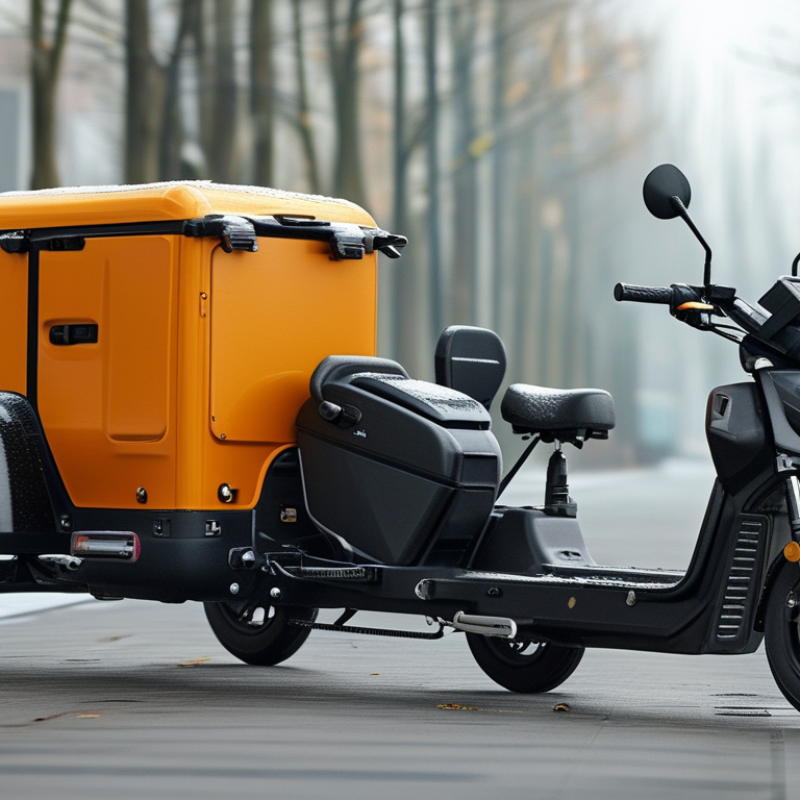
Before choosing an electric tricycle, measure your daily route and cargo honestly. Record parcel volume, average package weight, loading frequency, road surfaces, slopes, and parking conditions. A vehicle carrying bakery trays needs different protection than one carrying tools or groceries. McKinsey reports that last-mile delivery can represent 53% of total shipping costs. Poor capacity planning can quickly erase your savings.
Match the cargo box to your real workload, not your best-case day. Check usable volume, payload rating, floor height, tie-down points, weather protection, and battery range under load. The International Energy Agency reports that electric two- and three-wheelers are among the most widely adopted electric road vehicles worldwide. However, advertised range can fall on hills, in cold weather, or during repeated stops. Test the tricycle with a realistic load.
Your business pattern matters more than a large battery. Short urban routes may benefit from compact dimensions and fast charging. Longer routes require spare-battery planning and accessible charging points. Consider delivery windows, rider comfort, maintenance access, and local road rules. A neat spreadsheet can still mislead. I would revisit the estimate after one week of actual operations, because missed assumptions often appear beside the loading door. Start with measurable needs, then select the smallest configuration that handles them safely.
Compare Electric Tricycle Types and Load Capacities
Choosing an electric tricycle starts with the load, not the motor. The IEA’s Global EV Outlook 2024 identifies electric two- and three-wheelers as a major electrification segment, particularly in urban markets. That growth reflects practical work: short routes, frequent stops, and lower operating costs. Still, market growth does not tell you which frame suits your business.
A cargo-box tricycle usually carries about 150–300 kilograms, depending on its chassis, battery, and braking system. A rear-platform model often handles 100–250 kilograms and suits parcels, tools, or produce. Passenger models need careful seat and footrest checks, because rider weight changes the usable capacity. For heavier work, a four-wheel electric cargo vehicle may provide better stability, although it needs more space to turn. Do not trust the advertised maximum alone. Ask whether it includes the rider, battery, accessories, and uneven-road impact.
The World Bank’s logistics research repeatedly highlights the cost of inefficient urban deliveries, especially during congested final-mile routes. This supports choosing a compact tricycle for dense service areas. Measure your heaviest normal load, then add a realistic safety margin. A 200-kilogram rating may feel sufficient, but daily overload can weaken tires, brakes, and the frame. I would also test the vehicle on your steepest street with a full box. Laboratory figures are useful. Your route is less forgiving.
Check Safety Features, Durability, and Rider Comfort
How to Choose an Electric Tricycle for Your Business?
Check Safety Features, Durability, and Rider Comfort
Choosing an electric tricycle for business starts with the rider, not the cargo box. Check the braking system, lighting, reflectors, and tire grip before comparing motor power. A stable frame should resist side-to-side movement during sharp turns. Look closely. Confirm that the battery is protected from water, heat, and accidental impact. A clear display and simple controls also reduce distractions in busy streets.
Durability matters when the tricycle works every day. Inspect welds, hinges, fasteners, and the cargo platform for solid construction. Ask about the expected service life of the battery and motor. Replaceable components can reduce downtime and repair costs. In practical use, overloaded cargo can damage wheels and strain the frame. The stated load limit should guide daily planning, not occasional guessing. I have seen small maintenance delays become expensive delivery problems.
Rider comfort deserves equal attention. Adjustability is useful, especially when several employees share one vehicle. Check the seat height, handlebar position, pedal spacing, and step-through access. Wide tires may soften rough pavement, but they can also increase steering effort. Test the tricycle with a realistic load. Ride over a slope, stop on an incline, and make a tight turn. That test may reveal weaknesses that specifications hide. Some buyers focus too heavily on range and overlook vibration, hand fatigue, or poor visibility. I would reassess those priorities after one long shift.
Assess Total Cost, Maintenance, and After-Sales Support
Choosing an electric tricycle for business requires more than checking its purchase price. Calculate the total cost over three to five years. Include electricity, battery replacement, tires, brakes, insurance, financing, and lost delivery time. For example, a vehicle using 4 kWh per 100 kilometres and travelling 60 kilometres daily needs about 720 kWh yearly. At $0.15 per kWh, energy costs approximately $108 annually. The IEA’s Global EV Outlook 2024 identifies electric two- and three-wheelers as a major electrification segment in emerging Asian markets. BloombergNEF reported that average lithium-ion battery-pack prices fell to $115 per kWh in 2024, but replacement costs still vary widely by chemistry and service availability.
Maintenance details often decide profitability. Ask for a written service schedule, battery warranty terms, diagnostic procedures, and local spare-parts stock. A five-day repair delay can cost more than a modest price difference. After-sales support should include technician training, response times, roadside assistance, and clear coverage for commercial mileage. TÜV-related fleet studies frequently link preventive maintenance with better uptime, yet small operators may not record failures carefully. That is a weakness worth admitting.
Tips: Test the tricycle on your real route, including slopes and rough loading areas. Request a three-year cost spreadsheet. Check one replacement battery’s price. Speak with two existing fleet users, not only sales staff. Keep a simple log for energy, repairs, downtime, and payload. If the estimated savings depend on perfect weather or zero breakdowns, the calculation is probably too optimistic.
How to Choose an Electric Tricycle for Your Business?
Three-Year Total Cost of Ownership by Purchase and Operating Category
This planning comparison uses common commercial-use assumptions: 20,000 km per year, electricity at $0.15 per kWh, scheduled maintenance, one battery replacement reserve where applicable, and estimated service downtime. The Balanced option has the lowest modeled three-year cost, while stronger after-sales support can reduce maintenance and downtime risk.