How to Choose the Best Renewable Energy Solutions for Your Home?
Choosing the best renewable energy solutions for your home is a crucial decision. With rising energy costs and environmental concerns, homeowners seek alternatives. Renewable energy solutions, like solar panels and wind turbines, offer sustainable options.
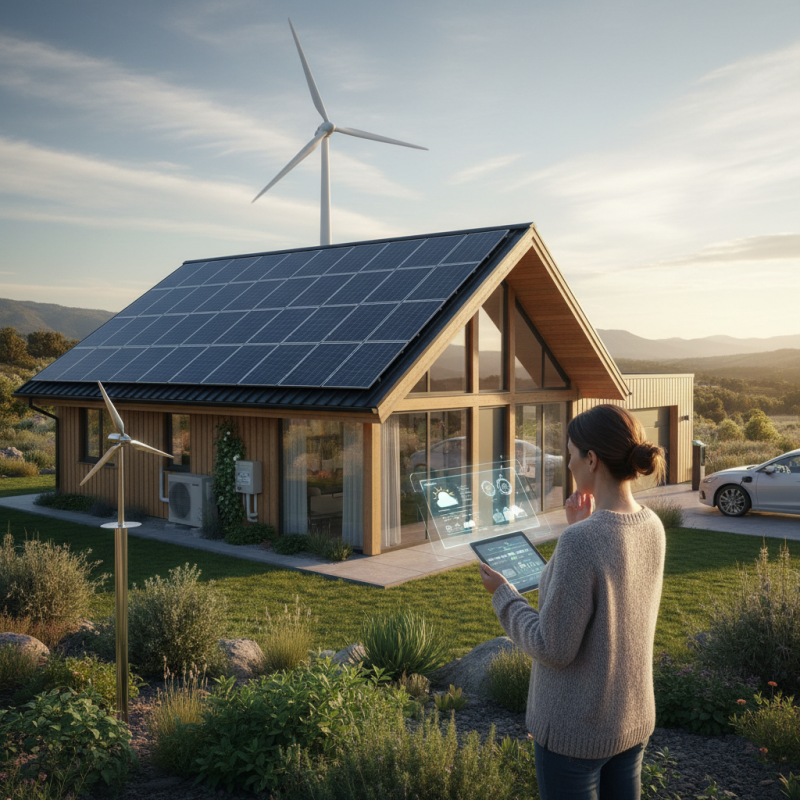
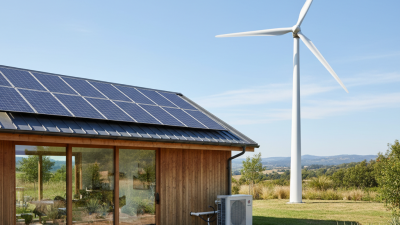
Many factors influence this choice. You must assess your energy needs and the local climate. For example, solar panels perform well in sunny areas. Wind turbines are more suitable for open landscapes. Each option has specific installation requirements and costs.
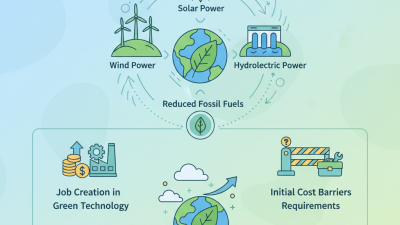
However, these solutions are not without challenges. Initial investments can be high. Maintenance can become complicated. Homeowners often feel overwhelmed by available choices. Therefore, it’s essential to research and reflect before making a decision. Evaluating your situation will lead to the best choice for your home.
Understanding Different Types of Renewable Energy Sources for Homes
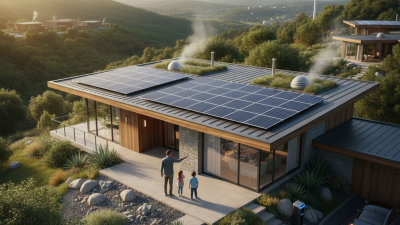
When considering renewable energy for your home, it's essential to understand the different options available. Solar energy is one of the most popular choices. It captures sunlight using solar panels. This can significantly reduce your electricity bills. The initial cost can be high. However, government incentives can make it more affordable.
Wind energy is another option. Small wind turbines can generate power, especially in windy areas. They need sufficient space and a suitable location. Not every home can accommodate a wind turbine easily.
Hydro energy is also a possibility if water flow is nearby. It can produce consistent energy, yet it requires a larger investment and permits.
Geothermal energy
taps into the Earth's heat. This is a stable and renewable source for heating and cooling. Installation can be complex and not available everywhere. Biomass is another avenue. It uses organic materials for energy, but managing waste can be challenging. Each option has its pros and cons. Making an informed choice can lead to a more sustainable future.
Evaluating Your Home's Energy Needs and Consumption Patterns
When evaluating your home's energy needs, start by examining your current energy consumption patterns. This involves reviewing your utility bills. Note the seasonal changes in usage. High consumption months may indicate the need for more efficient solutions.
Tips: Consider tracking daily energy use with a simple app. This can offer insights into peak usage times.
Next, assess appliances and systems in your home. Are they energy-efficient? Older systems may waste a lot of energy. Replacing them could lead to significant savings in the long run. Look at heating and cooling systems carefully.
Tips: Don’t overlook smaller devices. They can add up. Energy-efficient bulbs and smart plugs might help reduce costs.
Also, consider your lifestyle. Is your family out during the day? Why not optimize energy use while you’re away? This might involve simple adjustments to thermostats or timers for other systems.
Reflecting on these factors will help you make informed decisions about renewable solutions. Choose wisely; your energy needs might change over time.
Assessing Budget and Financial Incentives for Renewable Energy Options
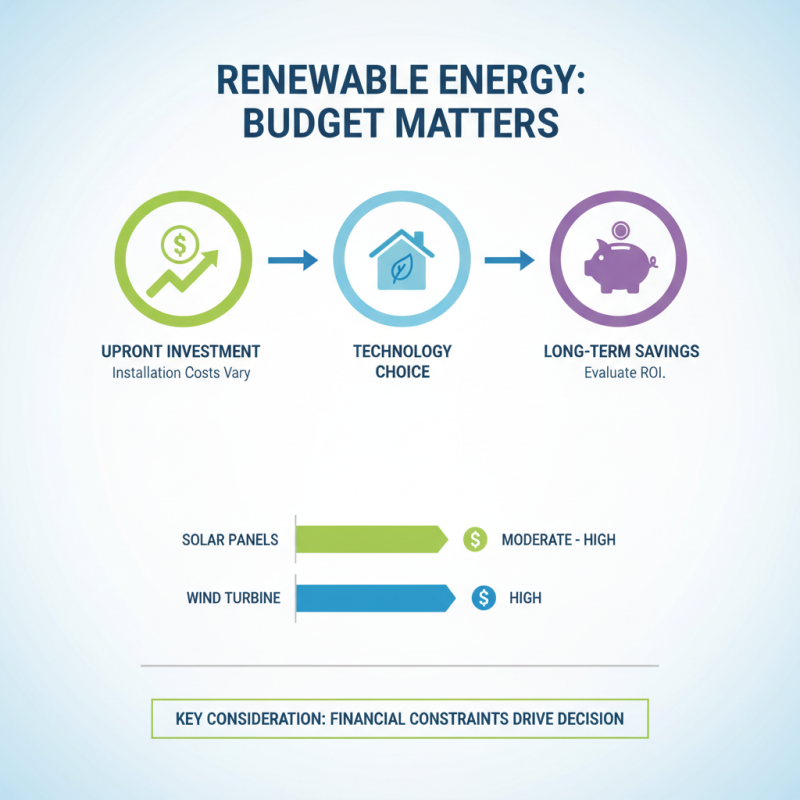
When considering renewable energy options, budget plays a crucial role. Understanding your financial constraints helps in making informed decisions. Evaluate how much you can invest upfront. Installation costs can vary significantly based on the technology you choose. Some solutions may appear attractive but require high initial expenses.
In addition to upfront costs, explore financial incentives. Many regions offer tax credits and rebates for energy-efficient systems. These incentives can offset installation expenses. A thorough search can reveal programs that suit your needs. However, these incentives can change; staying updated is essential.
Reflect on the long-term savings versus immediate costs. Some solutions, like solar panels, require time to pay off but provide substantial savings. Understand your energy consumption patterns too. Calculate potential savings realistically. It is easy to assume all renewable options are cost-effective. Yet, individual circumstances can vary widely.
Exploring Installation and Maintenance Considerations for Renewable Systems
When considering renewable energy solutions, installation and maintenance are key factors. Each type of renewable system has unique installation requirements. Solar panels need a suitable roof and optimal sunlight exposure. Wind turbines require open spaces free from obstructions. It’s vital to assess your property carefully before making a decision. Preparing your home for installation can be more complex than expected.
Maintenance is another critical area. Solar systems generally need less upkeep, but regular cleaning is essential to ensure efficiency. Wind turbines, on the other hand, may require more frequent inspections due to moving parts. Neglecting maintenance can lead to decreased performance. It's common for homeowners to overlook these details, assuming they won't cause issues.
Understanding the specifics can save you time and money. Each renewable solution has differing longevity and repair needs. It’s essential to consider how much time and effort you’re willing to commit to maintenance. Many homeowners embark on this journey without adequate research. Reflecting on these points can guide you toward a more informed decision.
How to Choose the Best Renewable Energy Solutions for Your Home?
| Energy Solution |
Installation Cost ($) |
Monthly Savings ($) |
Maintenance Frequency (Years) |
Lifespan (Years) |
| Solar Panels |
15,000 |
100 |
5 |
25 |
| Wind Turbine |
25,000 |
150 |
3 |
20 |
| Geothermal System |
30,000 |
200 |
2 |
25 |
| Biomass Heating |
10,000 |
80 |
4 |
15 |
| Hydro Power |
35,000 |
250 |
6 |
30 |
Making an Informed Decision: Comparing Renewable Energy Solutions
Choosing the right renewable energy solution for your home can be challenging. There are many options available today, each with its own pros and cons. Solar panels, wind turbines, and geothermal systems all promise lower energy bills and environmental benefits. However, not every solution will suit your specific needs or location.
When comparing these energy options, think about your home’s energy requirements. Consider available space and local weather conditions. For instance, solar panels thrive in sunny areas. If your home is overshadowed by trees or buildings, their efficiency may be limited. Wind turbines require open spaces and consistent winds, which aren’t found everywhere.
It’s easy to get overwhelmed. Detailed research is essential. Look into installing costs, maintenance needs, and potential savings. Online calculators can help estimate energy production. Talking to neighbors who have gone green can provide valuable insights. Remember, each decision brings its own set of uncertainties. Reflect on what matters most for your home and lifestyle before making a choice.
Comparison of Common Renewable Energy Solutions for Residential Use