How to Choose the Best DC Charging Connector for Your Needs?
Choosing the right Dc Charging Connector is crucial for electric vehicle (EV) owners and manufacturers. According to industry expert Dr. Emily Carter, “Selecting the correct connector can make or break your EV charging experience.” Understanding the variety of connectors available is essential. With increasing advancements in technology, the options can be overwhelming.
DC Charging Connectors come in different types and specifications. They support various power levels and vehicle models. A mismatch can lead to compatibility issues or inefficient charging. EV owners often overlook the significance of ensuring their connector matches their charging station specifications. It’s a detail that may seem trivial but can greatly enhance charging performance.
Moreover, the fast-evolving landscape of DC Charging technology means users need to stay informed. Choosing wisely could save time and money in the long run. Experts frequently notice that many people underestimate the importance of proper equipment. It's a common oversight that can affect the overall satisfaction with EV usage. In the quest for better connectivity, one must recognize the significance of thoughtful selection.
Understanding DC Charging Connectors: Types and Standards
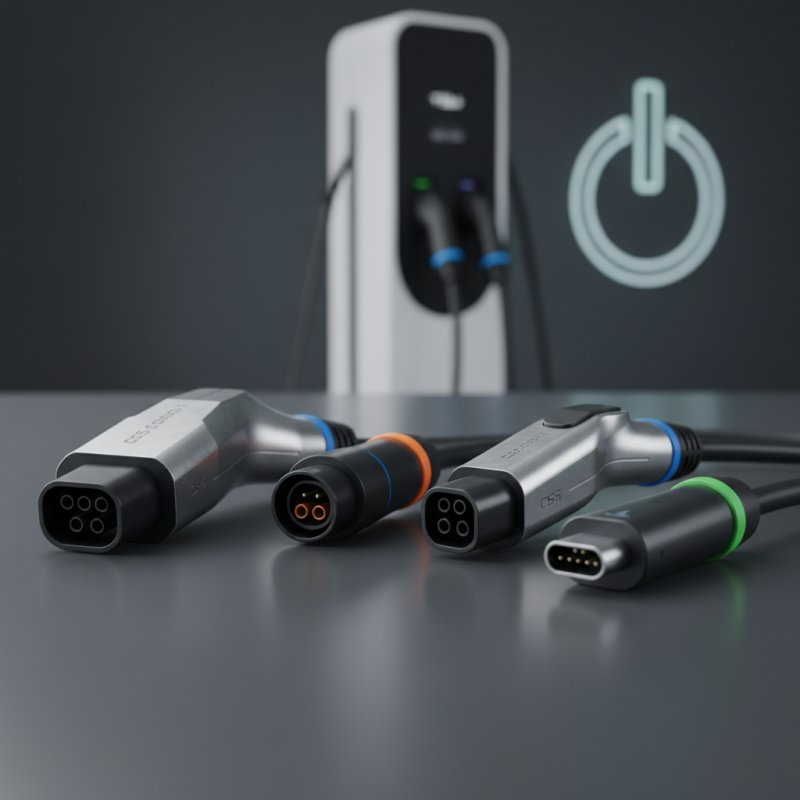
When considering DC charging connectors, it’s essential to understand their types and standards. Different connectors serve various vehicles, and compatibility is crucial. CCS (Combined Charging System) is popular in Europe and North America. It combines AC and DC charging in one connector, making it versatile for multiple applications. Conversely, CHAdeMO, primarily used by Japanese manufacturers, offers fast charging but is less common outside Asia.
Adapters and standards evolve constantly. Some newer vehicles support both CCS and CHAdeMO. However, this can lead to confusion among users. Selecting the right connector may depend on your location, vehicle type, and charging station availability. Understanding local infrastructure is equally critical.
Moreover, safety standards for DC charging connectors are paramount. UL, IEC, and ISO certifications ensure reliability. However, not all connectors meet these safety benchmarks. Users should research and verify the specifications. Reflecting on choices and experiences can guide better future decisions. Always double-check whether the connector aligns with your needs and local standards.
Key Considerations for Selecting the Right DC Charging Connector
When choosing a DC charging connector, consider several key factors. First, the connector's compatibility with your electric vehicle is crucial. Different vehicles require specific connector types, whether CCS, CHAdeMO, or others. Always check your vehicle's specifications before making a selection.
Tips: Research the connector type suitable for your model. Don't skip this step.
The power output capacity is another essential consideration. Higher power ratings can reduce charging time. Analyze your charging needs based on daily use, battery size, and availability of charging stations. The infrastructure in your area may influence your choice, too.
Tips: Assess charging station options nearby. This can save time and ensure reliable access.
Lastly, the connector's durability and weather resistance play significant roles in your decision-making process. Exposure to outdoor elements can cause wear and damage. Look for connectors made from robust materials designed for outdoor use. Ignoring this aspect might lead to frequent replacements, which can be inefficient.
Tips: Check user reviews on durability. This can provide real-world insights.
DC Charging Connector Selection: Key Considerations
Comparative Analysis of Connector Manufacturers in the Industry
Choosing the right DC charging connector can be challenging. The market offers various manufacturers, each with unique specifications and advantages. Industry reports from sources like the Electric Vehicle Charging Association indicate that connector compatibility is crucial. Not all charging stations cater to every vehicle, which can lead to complications.
When evaluating manufacturers, consider their safety standards and performance metrics. Some companies emphasize rapid charging capabilities, essential for reducing downtime on the road. Others focus on enhanced durability and weather resistance, ensuring reliability in diverse environments. A report from a recent study indicated that about 30% of users faced compatibility issues, highlighting the importance of proper research before making a decision.
Tips: Always check which connector your electric vehicle requires. Consider regional standards when selecting a manufacturer. Maintaining a flexible approach can provide better options down the line. Remember, what works today might not be the best choice tomorrow. Staying informed about changing technologies and consumer needs is vital.
How to Choose the Best DC Charging Connector for Your Needs? - Comparative Analysis of Connector Manufacturers in the Industry
| Connector Type | Voltage Rating (V) | Current Rating (A) | Compatibility | Materials Used | Application Areas |
| Type 1 | 240 | 32 | North America | Thermoplastic | Passenger Vehicles |
| Type 2 | 400 | 63 | Europe | Aluminum & Copper | Commercial Vehicles |
| CCS | 500 | 125 | Global | Durable Plastic | Fast Charging Stations |
| CHAdeMO | 500 | 125 | Japan & Global | Steel & Plastic | Public Charging Networks |
Evaluating Compatibility with Electric Vehicles and Charging Stations
Choosing the right DC charging connector involves understanding compatibility with various electric vehicles and charging stations. Many connectors exist today, including CCS, CHAdeMO, and Tesla connectors. Each type offers distinct features and works with specific vehicle models. According to the International Energy Agency (IEA), there were over 10 million electric vehicles (EVs) globally by the end of 2021. This surge highlights the importance of selecting a connector that fits your vehicle and local infrastructure.
Evaluating charging stations is equally crucial. The compatibility of your chosen connector with available charging stations can significantly impact your charging experience. A report from the Electric Vehicle Charging Infrastructure Study indicates that 60% of EV users face difficulties due to mismatched connectors at charging points. Ensuring that the connector you choose is widely supported by local charging stations can alleviate this issue.
Also, the rapid evolution of EV technology complicates matters. New standards are developing, and not all older connectors support fast charging capabilities. Look closely at the charging speed and current ratings of a connector. For example, CCS connectors can handle up to 350 kW, allowing for rapid charging. However, if your vehicle or nearby stations cannot support such speeds, you might rethink your choice. The fluctuating landscape often requires ongoing analysis and adjustments.
Future Trends in DC Charging Technology and Their Impact on Choice
The evolution of DC charging technology significantly influences how users select connectors. Recent studies projected that the global DC fast charging market would reach $27.7 billion by 2026, reflecting a rapid shift in infrastructure needs. This trend urges stakeholders to understand emerging connector standards that cater to various charging speeds and vehicle types.
Standardization plays a crucial role in the future of DC charging technology. The development of connectors such as CCS and CHAdeMO highlights the emphasis on compatibility. However, confusion persists over which standard will dominate the market. The International Energy Agency forecasts that by 2030, EVs will account for 30% of the global vehicle stock. Such growth will demand robust charging solutions that may necessitate multiple connector options.
Challenges also loom in this evolving landscape. As charging networks expand, ensuring reliability and ease of use becomes vital. Compatibility issues can hinder the user experience. A survey indicated 25% of EV users report frustration with incompatible charging stations. Engaging with current trends and understanding future demands will be essential for making informed choices in DC charging connectors.