How to Choose Anode Carbon Block for Aluminum Smelting?
Choosing the right Anode Carbon Block is a production decision, not a simple purchasing task. It affects cell stability, energy use, carbon consumption, and metal quality. In a modern prebake cell, each anode must carry high electrical current while resisting oxidation, thermal stress, and electrolyte attack.
The International Aluminium Institute reports that global primary aluminium production exceeded 70 million tonnes in 2023. This scale makes small anode performance differences commercially important. Industry studies commonly estimate carbon consumption near 0.4 tonnes per tonne of aluminium, although actual results vary by cell design and operating practice. The IAI’s Aluminium Sector Greenhouse Gas Pathways to 2050 also identifies anode-related emissions as an important decarbonization challenge. That evidence changes the purchasing question.
The cheapest block may not be the lowest-cost option.
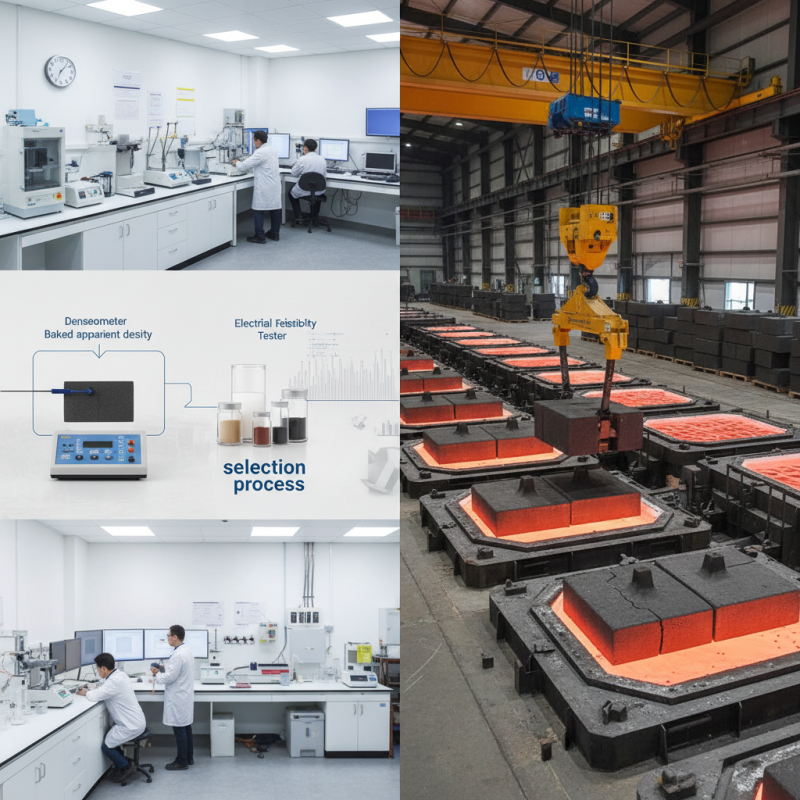
A reliable selection process should examine raw material quality, baked apparent density, electrical resistivity, compressive strength, and carbon reactivity. The USGS Mineral Commodity Summaries also highlights the strategic importance of aluminium and its carbon-intensive production chain. Therefore, supplier claims should be checked against laboratory certificates, batch records, and plant trial results. A block with lower resistivity can reduce voltage losses, but poor thermal-shock resistance may create cracks around the nipple area. Higher density can improve durability, yet it does not guarantee better performance.
This guide explains how to compare an Anode Carbon Block with practical evidence. It considers specifications, testing methods, manufacturing control, logistics, and total operating cost. There is no universal specification. Pot design, current intensity, coke quality, and baking conditions all matter. A careful decision combines report data with real cell experience, because a perfect spreadsheet can still miss a furnace’s daily problems.
What Is an Anode Carbon Block in Aluminum Smelting?
An anode carbon block is a large carbon component used in aluminum smelting cells. It carries electric current into the molten electrolyte and also participates in the chemical reaction. Inside the cell, alumina dissolves in molten cryolite. Oxygen separates from aluminum and reacts with the carbon anode. The block is gradually consumed, mainly forming carbon dioxide, with some carbon monoxide under certain operating conditions. It is a working material, not merely an electrode holder.
Most anodes are made from petroleum coke, recycled carbon material, and a carbon binder. These ingredients are mixed, shaped, baked, and tested before entering the smelting cell. A dense structure helps limit electrolyte penetration. Low electrical resistivity reduces energy loss. Controlled expansion also helps prevent cracking during heating. Small pores matter. Large connected pores can increase air reactivity and cause uneven consumption.
Choosing an anode carbon block requires more than checking one laboratory value. Plant engineers usually review apparent density, strength, impurity levels, thermal behavior, and dimensional accuracy. They also examine dusting, butt quality, and the anode’s wear pattern during operation. A low-resistivity block is not automatically the best choice. Excessive density may affect thermal shock performance. No block is perfect. Actual cell conditions, baking quality, current distribution, and handling can change the result. A careful evaluation should compare test data with field performance, especially around cracks, edge wear, and unexpected voltage increases.
How to Match Anode Carbon Blocks with Smelting Conditions
How to Choose Anode Carbon Block for Aluminum Smelting?
How to Match Anode Carbon Blocks with Smelting Conditions
Anode selection should begin with the cell, not the catalogue. The International Aluminium Institute reports that modern primary aluminium production typically uses about 13–15 MWh of electricity per tonne. This makes electrical resistance a practical control point. A block with low specific resistivity can reduce voltage losses, but only when its density and contact quality remain stable. In high-current cells, choose blocks with strong thermal-shock resistance and consistent dimensions. A small crack can create uneven current distribution, higher local heat, and faster carbon loss.
Bath chemistry also changes the correct specification. Higher alumina concentration, unstable feeding, or excess sodium can increase operational stress. The anode should match the bath temperature, current density, and planned anode effect frequency. Industry guidance from the International Aluminium Institute links better anode management with lower carbon consumption and reduced greenhouse-gas emissions. Typical net anode consumption is often near 400 kg per tonne of aluminium, though plant conditions can move this figure significantly. Data must be verified on site.
Tips: Compare CO2 and air reactivity, resistivity, apparent density, and flexural strength. Ask for test temperatures and sampling methods. Review three months of plant data. A cheaper block may cost more later. Do not ignore handling damage. Even good material performs poorly after rough transport, uneven ramming, or weak stub connections. Pilot testing remains necessary, because laboratory results may not represent the cell’s real thermal cycle.
How to Evaluate Anode Quality, Durability, and Environmental Impact
Choosing an anode carbon block for aluminum smelting requires more than checking its purchase price. Quality begins with consistent raw materials, low impurity levels, and uniform baking. I would request data on density, electrical resistivity, compressive strength, and air reactivity. These figures reveal how the block may perform inside a demanding electrolytic cell. A small crack can increase current loss and accelerate carbon consumption.
Durability should be judged under operating conditions, not only in a laboratory report. Track anode consumption, voltage changes, dust generation, and the condition of used anode stubs. Blocks with stable dimensions often reduce residue and handling problems. However, test results can mislead when the cell design, bath chemistry, or current density changes. Plant records matter. Real evidence matters more.
Environmental impact needs a broader view. Examine the carbon source, baking fuel, transportation distance, and emissions control during production. Lower sulfur and vanadium levels can reduce unwanted emissions and improve process stability. Anode remnants may also be collected and returned to controlled production streams, where quality permits. This is not automatically beneficial. Recycled material can introduce impurities if inspection is weak. I would compare suppliers through verified test reports, production audits, and traceable environmental data. No single number tells the whole story.
How to Select a Reliable Anode Carbon Block Supplier
Choosing an anode carbon block starts with the supplier, not the quotation. USGS Mineral Commodity Summaries 2024 estimated global primary aluminium production at about 70 million metric tons in 2023. This scale demands stable carbon quality and dependable delivery. Ask suppliers for recent test data covering apparent density, electrical resistivity, compressive strength, air permeability, and thermal conductivity. A single laboratory result is not enough. Request three consecutive production batches.
Visit the plant, or arrange an independent audit. Check raw material storage, mixing accuracy, forming pressure, baking curves, rodding control, and laboratory calibration. Reliable suppliers should offer batch traceability, corrective-action records, and realistic lead times. They should also explain anode effect risks and dust controls clearly. ISO certification helps, but it cannot replace technical evidence. Price matters. It should not lead the decision.
Tips: Compare total cost per tonne of aluminium, not carbon-block price alone. Review anode consumption, breakage, bath contamination, and delivery losses. Ask for a trial shipment with agreed acceptance limits. Keep written records of temperature, resistance, and performance. Some buyers overlook packaging damage during transport. That mistake is expensive. Supplier promises can sound convincing, yet plant results may disagree. Allow room for retesting and review. (USGS Mineral Commodity Summaries 2024; International Aluminium Institute industry statistics)