How to Choose the Best Solar Panels Solutions for Your Home?
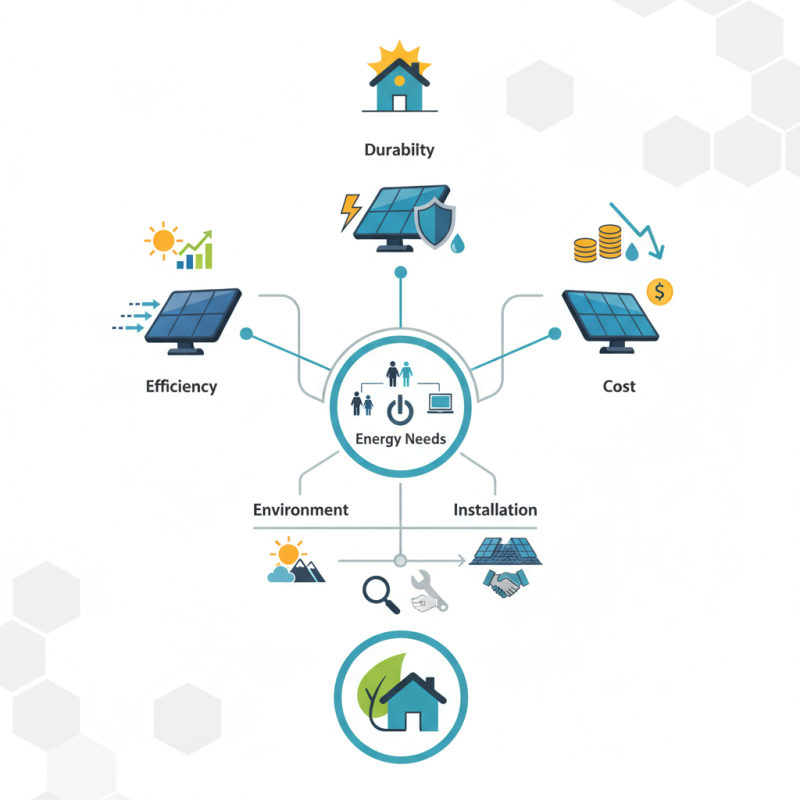
Choosing the right solar panels solutions for your home is crucial. With numerous options available, the decision can feel overwhelming. Solar energy is becoming increasingly popular. Homeowners seek to reduce energy bills and carbon footprints. However, not all solar panels are created equal. Factors such as efficiency, durability, and cost must be considered.
When evaluating solar panels solutions, think about your specific energy needs. Do you have a large family or work from home? Energy consumption varies greatly. Different environments may affect panel performance. Factors like sunlight exposure can change outcomes significantly.
Installation mistakes can also lead to less than ideal outcomes. Make sure to research local installers thoroughly. Price shouldn't be the only deciding factor. A cheap option may not provide the best long-term value. Reflect on your choices carefully before making a commitment. Your decision will impact your home and energy efficiency for years.
Understanding Your Energy Needs for Solar Panel Installation
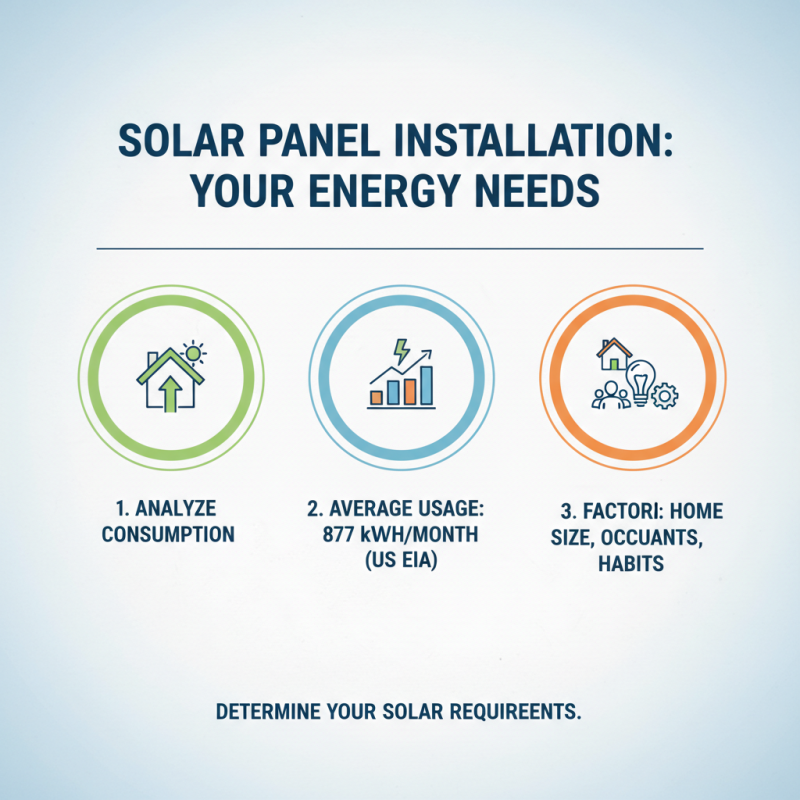
When considering solar panel installation, it's essential to understand your energy needs. Start by analyzing your current energy consumption. The U.S. Energy Information Administration reports that the average American household uses about 877 kWh per month. This number varies significantly based on location and lifestyle. Factors like the size of your home, the number of occupants, and your energy habits play a vital role in determining solar requirements.
Monitoring your electricity bills can help you gauge your average usage. Pay attention to seasonal changes in consumption. Some homeowners see spikes during summer due to air conditioning. You should also consider future changes, like the addition of electric vehicles or home expansions, that may affect your energy needs.
**Tip:** Use online tools to estimate potential solar output based on your location. They can provide insights into how much energy you can generate.
Another critical aspect is to think about your local climate. Understanding weather patterns can influence the efficiency of solar panels. A home in a sunnier region generally benefits more from solar energy. This variability can lead to differing opinions on whether solar is right for every household.
**Tip:** Consult with a professional for a tailored energy audit. It helps identify if solar power aligns with your long-term goals.
Types of Solar Panels: Monocrystalline, Polycrystalline, and Thin-Film
When choosing solar panels for your home, understanding the types available is essential.
Monocrystalline panels are known for their efficiency.
They are made from a single crystal structure, which allows for higher energy conversion. These panels often have a sleek appearance, but they can come with a higher price tag.
Polycrystalline panels, on the other hand, are made from multiple crystal fragments.
They tend to be less efficient but are more affordable. Their production process is simpler, making them a popular option. However, this means they occupy more space to generate the same amount of power.
Homeowners might find themselves balancing budget and efficiency when selecting this type.
Thin-film solar panels are another option.
They are lightweight and flexible, suitable for various surfaces, but they usually have the lowest efficiency rates among the three types.
Installation can be easier, but shade and space can significantly reduce their performance. Each option presents its own challenges,
and what works for one home may not work for another. Evaluating personal needs is crucial in this process.
Key Factors to Consider When Choosing Solar Panel Brands
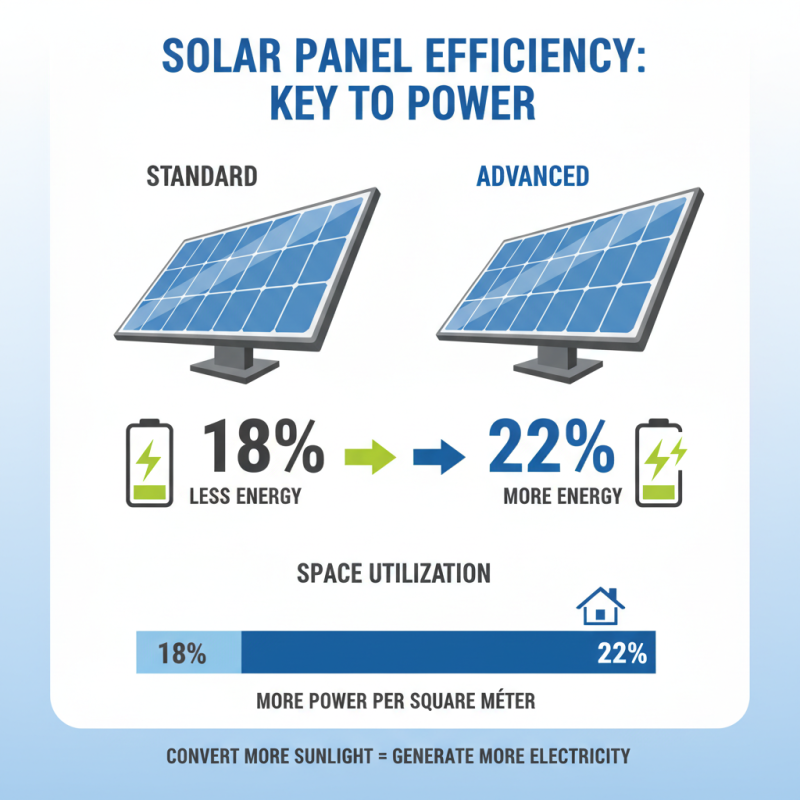
When selecting solar panel brands, consider efficiency ratings. Reports show that top panels can reach over 22% efficiency. This means more sunlight is converted to energy. Efficiency directly impacts your home’s energy output. Higher efficiency panels might be costlier but can lead to significant savings in the long run.
Another vital factor is warranty coverage. Look for panels with at least 25 years of performance warranty. It reflects the manufacturer's confidence in their product’s durability. A strong warranty can protect your investment in the long haul. However, not all warranties are created equal. Some require installation by certified professionals, which can add costs.
Cost is always a concern. Price per watt is a crucial metric. Research indicates that the average cost is around $2.60 per watt. While lower-priced options exist, they may lack quality. It’s important to balance initial cost with long-term performance. Remember, the cheapest option might not last as long. Each decision carries weight. Make sure to reflect on what aligns with your home’s energy needs.
How to Choose the Best Solar Panels Solutions for Your Home? - Key Factors to Consider When Choosing Solar Panel Brands
| Factor |
Description |
Importance (1-5) |
| Efficiency |
The ability of solar panels to convert sunlight into usable electricity. |
5 |
| Durability |
The lifespan and ability to withstand environmental conditions. |
5 |
| Cost |
The initial investment and long-term savings potential of solar panels. |
4 |
| Warranty |
Length and terms of the manufacturer’s warranty for the panels. |
4 |
| Brand Reputation |
The overall trustworthiness and history of the solar panel manufacturer. |
5 |
| Technology |
The type of technology used in the solar panels (e.g., monocrystalline, polycrystalline). |
3 |
| Customer Support |
Quality and availability of customer service and support options. |
4 |
Evaluating Solar Panel Efficiency and Warranty Options
When selecting solar panels, efficiency plays a key role. This metric reveals how well the panels convert sunlight into energy. Typically, higher efficiency means more electricity generation in a limited space. When comparing options, looking at percentages can be enlightening. For instance, one panel might operate at 18% efficiency, while another might reach 22%.
Warranty options also merit your attention. A standard warranty lasts around 25 years but check the details. Not all warranties cover the same elements. Some may include performance guarantees, while others might not. This affects how much you’ll save long-term. Shorter warranties could signal lower confidence in durability. It’s crucial to reflect on how long you plan to stay in your home.
You might find that certain brands offer enticing promises but lack transparency. Always dig deeper into their claims. Reading reviews and experiences from actual users can shed light on their reliability. Sometimes, you’ll discover that flashy marketing doesn’t translate to true performance.
Understanding Installation Costs and Long-Term Savings of Solar Panels
When considering solar panels for your home, installation costs can vary widely. Factors like location, roof type, and system size play a significant role. Some homeowners may find an initial quote daunting. However, breaking down these costs reveals potential savings over time.
Many homes can save considerably on their electricity bills. In some cases, savings can reach 50% or more. It's essential to think long-term. While the upfront investment may be high, many systems pay for themselves within a decade. Additionally, incentives often exist, making the transition more affordable.
However, not every home is a perfect fit for solar. Some may not receive enough sunlight due to tall trees or neighboring buildings. Shading can significantly impact efficiency. Homeowners should evaluate their specific conditions carefully. Each situation is unique and needs a tailored approach. Do the math before committing. Explore all available options and stay informed.