How to Choose the Best Clean Energy Storage Solutions for Your Needs?
Navigating the landscape of clean energy storage solutions can be daunting. Experts like Dr. Emily Thompson emphasize, “Choosing the right storage is crucial for energy efficiency.” This insight highlights the importance of tailored approaches for different energy needs.
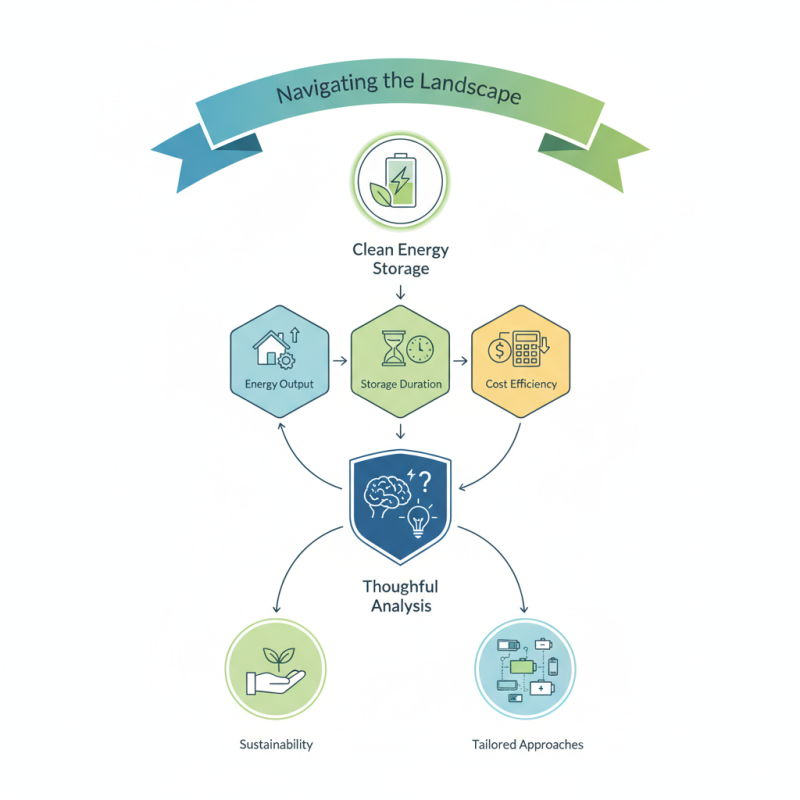
The market is filled with options, each with varying capacities and technologies. Understanding your specific requirements is essential. Consider factors such as energy output, storage duration, and cost efficiency. These details can significantly impact the effectiveness of your clean energy system.
There’s no one-size-fits-all solution. Sometimes, choices may seem overwhelming, leading to hesitation. Reflecting on past decisions can provide clarity. Ultimately, integrating clean energy storage solutions into your strategy requires thoughtful analysis and a focus on sustainability.
Identifying Your Energy Storage Needs: Key Considerations
Identifying your energy storage needs requires a thoughtful approach. Begin by assessing your energy consumption patterns. Understand how much energy you use daily. This information is crucial for determining the capacity you require. For instance, a home operating with solar panels needs a system that can store excess energy during sunny days. What if your family grows? Consider future needs, too.
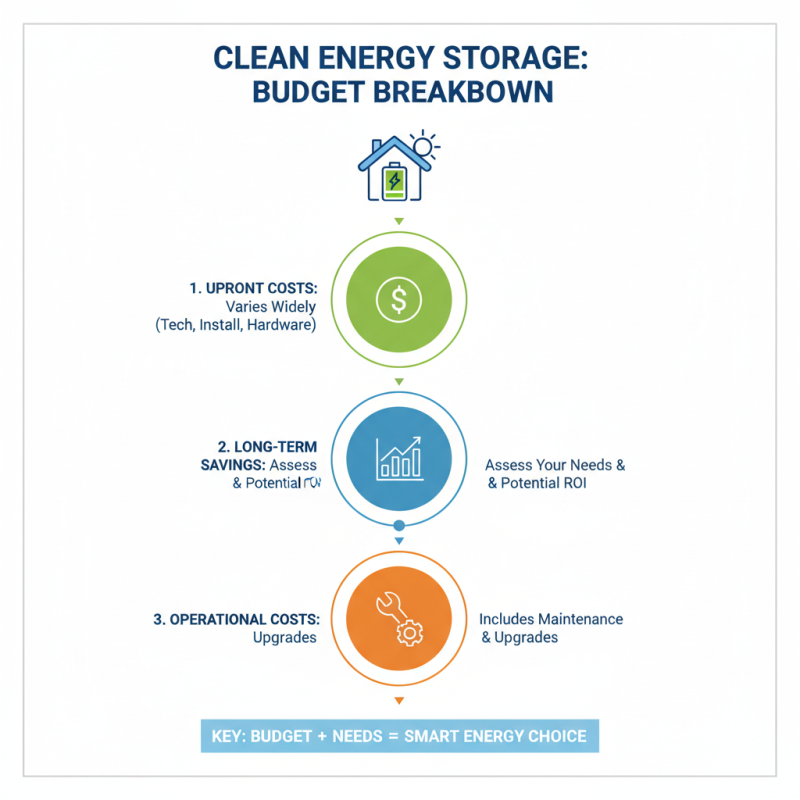
Next, think about the duration of storage. Do you need backup for a few hours or several days? This affects the type of technology you should consider. Lithium-ion batteries are popular for short-term storage. However, they may not be the best fit for long durations. Alongside capacity and duration, factor in your budget. Prices vary significantly. It’s vital to find a balance between cost and quality.
Moreover, consider the installation space. Not all storage solutions fit into existing environments. This might limit your options. Research local regulations as well. Some areas have specific requirements for energy storage. It’s easy to overlook these details. But, understanding them is essential for a successful installation. Finally, evaluate your commitment to renewable sources. If you're serious, opt for solutions that complement your green goals.
Types of Clean Energy Storage Solutions: An Overview
Clean energy storage solutions play a significant role in our shift towards sustainable energy. There are various types of solutions to consider. Battery systems, for example, are popular for their efficiency and compact size. Lithium-ion batteries dominate the market due to their high energy density. However, they can be pricey and have limited lifespans.
Pumped hydro storage, on the other hand, uses water. It stores energy by pumping water uphill during low demand and releasing it to generate electricity when needed. This method is reliable but requires specific geographical conditions, limiting its availability. Thermal storage is another option. It utilizes heat to store energy, often in molten salt. This can be particularly efficient but may involve complex systems.
Tips: Assess your energy needs carefully. Evaluate the initial cost versus long-term savings. Explore local regulations as they may impact your options. Engaging with experts can help clarify potential inefficiencies in your choices. A little research prevents overspending and ensures you find the right solution for your unique situation.
Clean Energy Storage Solutions Comparison
Evaluating Performance Metrics for Energy Storage Systems
When evaluating energy storage systems, performance metrics are essential. Key metrics include
round-trip efficiency,
energy density, and
cycle life.
Round-trip efficiency measures energy loss during storage and retrieval.
Systems generally have an efficiency range of 70-90%, according to recent studies.
This impacts how much energy can actually be used.
Lower efficiency means higher costs over time.
Energy density represents how much energy can be stored in a given volume or weight.
For lithium-ion batteries, the energy density is around 250 Wh/kg.
This allows for compact solutions in applications like electric vehicles.
In contrast, lead-acid batteries offer only 30-50 Wh/kg.
The difference is critical for limited spaces.
Cycle life indicates how many charge-discharge cycles a storage system can endure.
Lithium-ion batteries typically last 500-1,500 cycles.
In some cases, this number may drop due to overheating or improper charging.
A shorter cycle life increases replacement costs and impacts sustainability.
Choosing the right energy storage solution requires understanding these metrics deeply.
They define not just performance, but long-term viability.
Sustainability Factors: Environmental Impact and Lifespan
Choosing the right clean energy storage solutions requires careful consideration. To begin, focus on the environmental impact of the materials used. Many options are made from sustainable resources, which can lessen carbon footprints. Explore options that emphasize recyclability after their lifespan ends. This factor is often overlooked but crucial for long-term sustainability.
Tip: Research the lifespan of your chosen solution. Some products may have shorter lifespans, requiring replacements more frequently. This not only increases costs but also affects the environment due to more waste. Opting for longer-lasting solutions can be beneficial, even if they have a higher initial investment.
Consider the end-of-life process. Some storage solutions can be repurposed or recycled effectively, while others may end up in landfills. This is a vital aspect that many consumers don’t consider. Evaluate how your choice aligns with your sustainability goals.
Tip: Always ask about disposal methods. A solution may seem appealing, but if disposal is challenging or harmful, it can negate its benefits. The aim is to find options that support environmental health throughout their entire lifecycle.