2026 Best Renewable Solutions for Global Buyers to Consider?
As the world pivots towards sustainability, the demand for renewable solutions continues to grow. Industry expert Dr. Emily Carter emphasizes, “Investing in renewable solutions is not just a choice; it’s a necessity for our future.” This statement captures the urgency for global buyers to explore options that reduce environmental impact.
The year 2026 promises to unveil innovative technologies in the renewable solutions sector. From solar advancements to wind energy evolution, the landscape is evolving rapidly. Stakeholders must consider these developments. They carry potential benefits and challenges. Exploring these solutions requires careful evaluation and foresight.
Global buyers must weigh their options wisely. Each renewable solution offers different advantages and requires investment. Sometimes these investments pose risks that need reflection. Making informed decisions is crucial for sustainable growth. Engaging with experts and studying market trends will help navigate this complex field.
Overview of Renewable Energy Trends for 2026
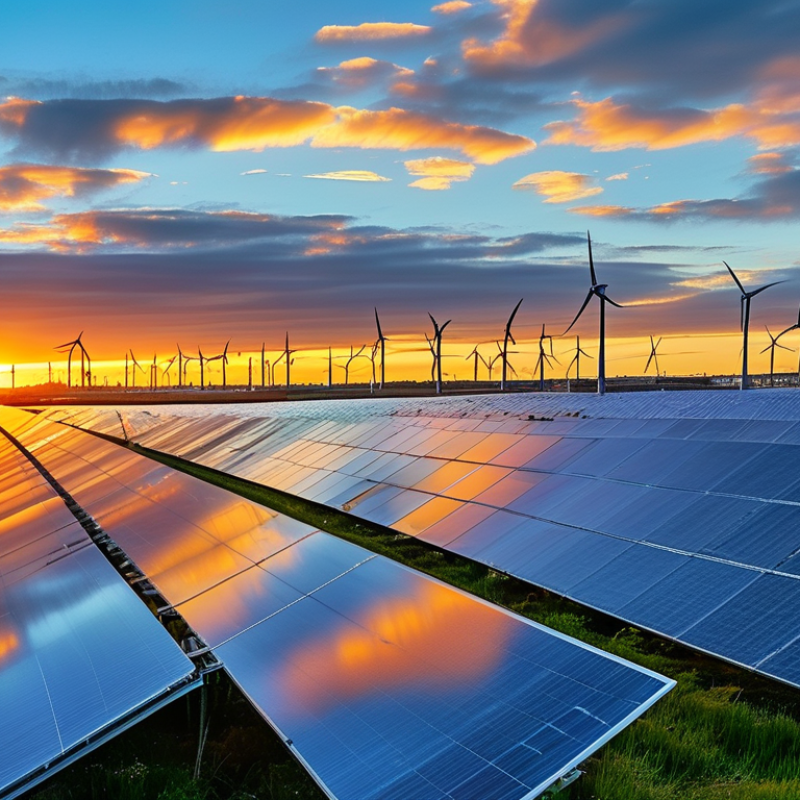
The trend of renewable energy continues to ascend as we approach 2026. The International Renewable Energy Agency (IRENA) reported that renewables could account for 86% of global energy needs by 2050. This figure signals a pivotal shift towards sustainable energy sources. In sectors like wind and solar, explosive growth is expected. The global solar market alone is projected to exceed 280 GW in new installations by 2026, illustrating the transition to green technologies.
Despite these positive trends, there are challenges. Grid integration remains a significant hurdle. Energy storage technologies must evolve to match the growing supply of renewables. According to the National Renewable Energy Laboratory (NREL), energy storage could triple by 2026, yet delays in technology development remain. These complexities may hinder progress, pointing to a need for continuous innovation and investment.
Countries are also redefining energy policies. The push for decarbonization is influencing how nations develop infrastructure and create jobs. A report from the World Economic Forum indicates that an estimated 24 million jobs could be created in renewables by 2030. However, the transition must consider social impacts, ensuring that communities adapt. Balancing green objectives with economic realities presents a compelling challenge for leaders worldwide.
2026 Best Renewable Solutions for Global Buyers to Consider
| Renewable Energy Source |
Market Growth (%) |
Key Trends |
Investment Opportunities (Billion USD) |
| Solar Energy |
25% |
Increased efficiency and storage technology |
150 |
| Wind Energy |
20% |
Offshore wind farms expansion |
100 |
| Hydropower |
15% |
Modernization of existing plants |
80 |
| Geothermal Energy |
10% |
Enhanced geothermal systems growth |
30 |
| Biomass |
8% |
Waste-to-energy technologies |
20 |
Key Renewable Technologies to Watch in 2026
As we approach 2026, the renewable energy landscape is shifting dramatically. Key technologies are emerging that promise significant benefits for global buyers. Solar energy continues to dominate, but advancements in storage solutions are essential. Battery technology is improving, enhancing the reliability of solar power.
Wind energy also shows great potential, especially offshore projects. These investments are becoming more attractive due to decreasing costs. The integration of AI in wind farm operations is a trend worth noting. This technology optimizes energy output and operational efficiency, making it a compelling choice.
Tips: Consider conducting a feasibility study before investing. Analyze specific local conditions, such as climate and resource availability. Collaboration with experts can provide deeper insights. Be mindful of potential regulatory challenges, as policies vary widely. Understanding the market landscape enhances decision-making.
Market Leaders in Renewable Solutions for Global Buyers
As the demand for renewable energy solutions grows, identifying market leaders can be pivotal for global buyers. The International Renewable Energy Agency (IRENA) reported that renewable energy capacity reached 2,798 gigawatts (GW) globally in 2021, and this figure is expected to accelerate. Solar and wind power dominate this landscape, accounting for over 90% of new capacity additions.
Investors and businesses are increasingly focused on sustainable energy solutions. The Global Wind Energy Council (GWEC) noted a 12% increase in global wind installations in 2022, which emphasizes the sector's rapid growth. However, buyers should focus on reliability and efficiency metrics. It's crucial to analyze not just capacity, but also system performance and longevity. Some solutions may promise high outputs but lack in real-world application, causing potential discrepancies between projected and actual outputs.
Further complicating decisions, the renewable industry faces challenges such as supply chain disruptions. A recent analysis by Wood Mackenzie highlighted that fluctuating raw material prices impact project feasibility. Therefore, buyers must evaluate the procurement processes of suppliers. While there are impressive technologies available, assessing their adaptability to local needs is vital. A thorough examination of potential partners is necessary to ensure a sustainable and effective collaboration in this ever-evolving market.
Sustainability and Cost-Effectiveness of Renewable Options
As businesses worldwide seek sustainable solutions, renewable energy stands out for its potential. Options like solar and wind power are gaining traction due to their decreasing costs. Many companies are investing in these technologies to reduce their carbon footprint while saving on long-term energy expenses. However, the initial investment can be a hurdle. It requires thorough planning and evaluation.
Cost-effectiveness in renewable options must be scrutinized. While long-term savings are significant, the upfront cost can deter smaller businesses. Therefore, it’s crucial to explore financing options. Government incentives and grants can ease this burden, making renewables more accessible. Not all regions offer the same financial support, which leads to disparities.
Sustainability is not just about using renewable resources. It's also about responsible consumption and waste management. Some technologies, like batteries, have environmental impacts that are often overlooked. An honest assessment of these factors is vital. Businesses must stay informed and consider the entire lifecycle of renewable solutions. This ensures that their choices align with their sustainability goals.
Geographic Considerations for Implementing Renewable Solutions
Geographic factors play a crucial role in the implementation of renewable energy solutions. Regions differ in available resources. For instance, solar power thrives in sunny climates, while wind energy is more effective in areas with consistent wind currents. This means that energy strategies must be tailored to local conditions. A one-size-fits-all approach may lead to inefficiencies.
Understanding the local grid infrastructure is equally important. Some areas may struggle with grid capacity. In contrast, others may have robust systems that can handle increased renewable input. Local regulations and incentives can also influence decisions. Buyers should assess these factors to avoid potential obstacles.
Cooperation with local communities can yield valuable insights. Engaging with stakeholders may reveal unique challenges and opportunities. However, there could be pushback against projects, stemming from concerns about environmental impact or land use. Learning from past projects is essential. Mistakes made in implementing one solution can inform future efforts. Fostering dialogue is key to overcoming resistance and ensuring successful deployment.