Best Hospital Furniture for Sale How to Choose the Right Options?
In the evolving healthcare landscape, selecting the right hospital furniture for sale has become crucial. With an estimated market growth rate of 4.5% annually, the demand for quality hospital furniture is rising. Industry expert Dr. Emily Carter notes, "The right furniture can significantly impact patient outcomes and staff efficiency."
From beds to waiting room chairs, each piece plays a vital role. Functional design and comfort are not mere aesthetics; they reflect a facility's commitment to care. For instance, adjustable beds enhance patient convenience, while ergonomic seating can reduce staff fatigue. However, many institutions still struggle with outdated furniture that fails to meet modern needs.
Investing in hospital furniture shouldn’t be taken lightly. It's about evaluating options that support both healing environments and operational efficiency. Analysts highlight a gap where many rush to purchase without thorough consideration. This often leads to suboptimal choices, making it essential to critically assess all available "hospital furniture for sale.
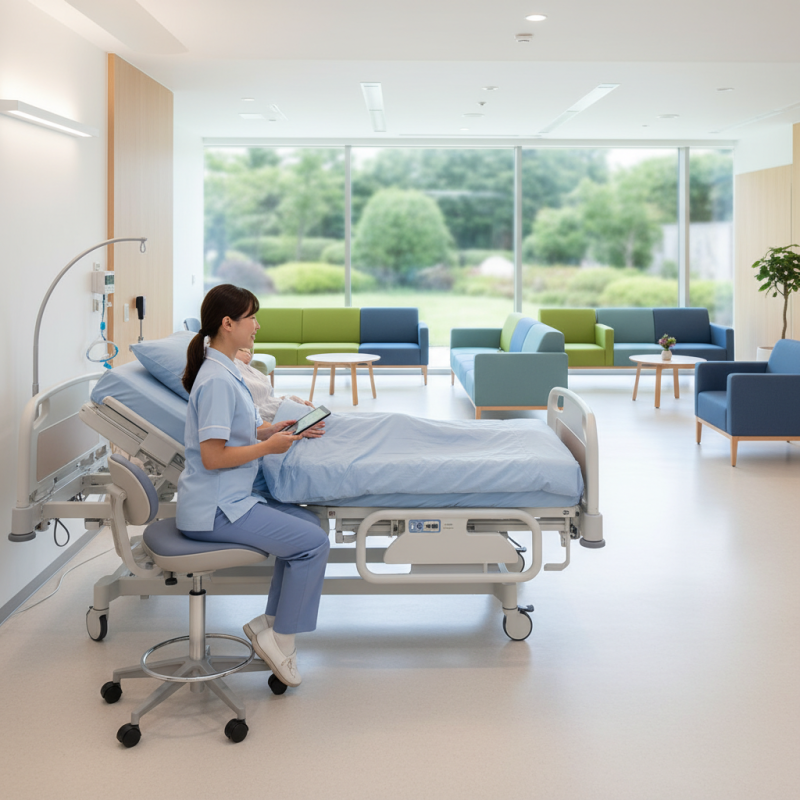
Understanding the Importance of Quality Hospital Furniture
Quality hospital furniture plays a vital role in patient care. Research indicates that proper furniture enhances comfort and safety. According to a study by the American Journal of Nursing, 78% of patients reported improved satisfaction due to well-designed furniture. Ergonomic considerations matter greatly, as they reduce strain and promote recovery.
Furthermore, the durability of hospital furniture impacts operational costs. A report from Healthcare Facilities Today highlights that low-quality furniture might require replacements within years, increasing unnecessary spending. Hospitals must weigh short-term savings against long-term investment in durable options.
Optimization of space is another crucial factor. Many hospitals deal with limited areas. The right furniture can maximize functionality while providing ease of movement. Compact designs can support better workflows. However, neglecting the aesthetic aspect can lead to a sterile, unwelcoming environment. Balancing function and form is a continuous need for improvement in many facilities.
Key Features to Look for in Hospital Furniture Design
When selecting hospital furniture, it's essential to prioritize key features that enhance functionality and patient care. Ergonomics play a crucial role in furniture design. According to a report by the World Health Organization, ergonomic furniture can reduce the risk of injury by 25%. This is particularly important in healthcare settings, where staff spend long hours on their feet. Chairs and beds should promote proper posture to minimize fatigue.
Safety is another critical aspect. Hospital furniture must comply with safety standards to prevent accidents. For instance, sharp edges and unstable structures can pose serious risks in a busy environment. Materials should be easy to clean, as infection control is a top priority. A study from the Centers for Disease Control and Prevention states that 1 in 31 hospital patients has a healthcare-associated infection (HAI). Using non-porous materials can significantly lower this risk.
Lastly, flexibility and modular design can enhance the efficiency of healthcare spaces. Furniture that can be easily reconfigured allows facilities to adapt to changing needs. However, balancing flexibility with sturdiness is a challenge. Over time, some modular pieces may not provide the durability required for constant use. Thus, thoughtful selection is essential for maintaining both functionality and safety in a hospital environment.
Key Features to Look for in Hospital Furniture Design
Types of Hospital Furniture: Essential Categories Explained
When selecting hospital furniture, understanding the essential categories is crucial. Hospital beds, for example, are a key component of patient care. There are several types, including manual and electric beds. A study from the Healthcare Furniture Association indicates that quality beds can enhance patient comfort and recovery.
Seating options also matter in hospital settings. Visitors need comfortable chairs. Staff require ergonomic seating to reduce fatigue. A recent report highlighted that improper seating can lead to decreased staff efficiency. Choosing the right seating can dramatically influence the overall hospital environment.
Storage solutions, like medical carts and cabinets, play a vital role as well. They keep supplies organized and accessible. A survey found that 70% of healthcare professionals believe efficient storage improves workflow. Hospitals often struggle with space issues, making smart storage choices critical. Reflecting on these categories can lead to better decisions in hospital furniture selection.
Materials and Durability: Choosing Long-Lasting Options
When selecting hospital furniture, the choice of materials is crucial. The right materials can enhance durability and patient . According to a recent report by the Healthcare Furniture Institute, furniture made from high-density polyethylene (HDPE) has a lifespan that can exceed 20 years. This is significantly longer than traditional wood materials, which may degrade within a decade.
Durability is not just about lifespan. It also includes resistance to stains, scratches, and impacts. For instance, vinyl upholstery is often preferred for its ease of cleaning and resistance to tears. However, some healthcare providers overlook the importance of selecting upholstery that is also breathable. Ignoring this can lead to discomfort for patients during longer stays.
Moreover, consider the environmental impact of materials. Many hospitals now prioritize sustainable options. This can sometimes conflict with durability goals. A report from the Sustainable Healthcare Coalition suggests that sustainable materials can often be less durable than conventional options. It's important to weigh these factors carefully. Choosing furniture is not just a logistical task; it requires thoughtful investment in both functionality and comfort.
Budget Considerations: Finding Affordable Hospital Furniture Solutions
When selecting hospital furniture, budget is often a significant concern. A recent industry report indicates that healthcare establishments in the U.S. spend around $500 billion annually on hospital supplies and equipment. Allocating a portion of this budget effectively can ensure quality care without overspending.
Affordable options are available, but caution is necessary. Investing in low-cost furniture may save money initially. However, the long-term costs can add up due to earlier replacements and maintenance. Durable furniture usually provides better value. Look for materials that resist wear and tear. Many professionals recommend examining warranties and the lifespan of the products.
Consider the needs of the patients and the staff. Ergonomic designs can enhance comfort and reduce injury risks. Ensure that the furniture complies with health regulations while remaining within budget constraints. Explore resale markets or refurbished options. This approach can help secure high-quality items at a fraction of the cost. Finding the right balance is crucial and often requires careful thought and creativity.