The Best Clear Silicone Sealant Tips for Your Projects?
When it comes to home improvement, using the right materials is crucial. "Clear Silicone Sealant" is a popular choice globally, known for its versatility and durability. According to a report from the Adhesive and Sealant Council, the global market for silicone sealants is expected to exceed $8 billion by 2025. This growth highlights the increasing trust in silicone sealants for a variety of applications.
Expert Maria Thompson, a respected figure in the sealant industry, states, "Clear Silicone Sealants offer unmatched flexibility for both indoor and outdoor projects." This statement reflects the experiences of many professionals who rely on these products for everything from sealing windows to bathroom fixtures. However, not all clear silicone sealants are created equal; some may not provide the longevity and adhesion needed for certain tasks.
Awareness of this disparity is essential. Users should investigate product specifications and reviews before making a decision. The best projects involve a thoughtful selection of materials that guarantee efficient and lasting results. Clear Silicone Sealants can indeed enhance your work when chosen wisely, but caution is advised to avoid potential pitfalls.
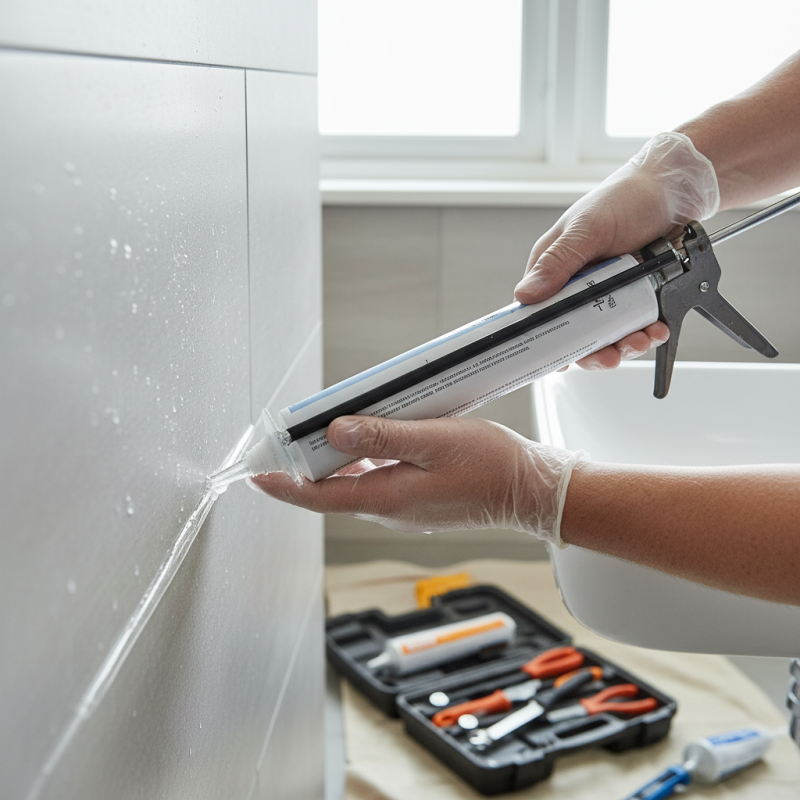
Understanding Clear Silicone Sealant: Types and Uses in Various Projects
Clear silicone sealant is a versatile material used in various projects. It’s popular for sealing gaps around windows and doors. This type of sealant can create a waterproof barrier and prevent air leaks. It’s also great for bathroom applications, like sealing sinks and tubs to avoid water damage.
There are different types of clear silicone sealants available, each with specific uses. Some are formulated for high-temperature resistance, making them suitable for kitchen appliances. Others are designed to adhere to various surfaces, such as glass, plastic, or metal. Understanding these differences is crucial before choosing the right product.
However, working with silicone sealant requires some care. Over-application can lead to messy finishes. Ensure surfaces are clean and dry for better adherence. It often takes time to cure properly, so patience is key. Mistakes may happen, but learning from them can yield better results in future applications. Proper technique can enhance your projects significantly.
Key Benefits of Using Clear Silicone Sealant in Home Improvement Tasks
Clear silicone sealant has become a vital tool in home improvement tasks. Its versatility makes it a go-to choice for various projects. According to the latest industry reports, the clear silicone sealant market is projected to grow by 5% annually, reflecting its increasing importance among DIY enthusiasts and professionals alike. This growth underscores its key benefits in both aesthetic and functional aspects of home improvement.
One major advantage of clear silicone sealant is its durability. It can resist moisture and temperature fluctuations. This feature is crucial for bathrooms and kitchens. A study from the American Society for Testing and Materials shows that silicone sealants can last up to 25 years when applied correctly. However, homeowners must be aware that improper application can lead to mildew and early deterioration. The right technique and surface preparation are essential for optimal results.
Another benefit is its transparency. Clear silicone blends seamlessly with various materials. This allows for a clean and polished finish in visible areas. While it provides a strong seal, it can be tricky to work with. Unintentional smudges can create an imperfect finish. A little practice helps. Some users report challenges in ensuring an even application, highlighting the need for patience and skill. Overall, clear silicone sealant offers great potential for home projects, provided its limitations are carefully managed.
Application Techniques for Optimal Adhesion and Longevity of Sealants
Applying clear silicone sealant effectively is crucial for durability. Proper surface preparation enhances adhesion and longevity. The surface must be clean, dry, and free of dust. According to industry studies, surfaces with contaminants can reduce sealant effectiveness by nearly 30%. It's advisable to wipe surfaces with isopropyl alcohol before application. This simple step ensures a robust bond.
When dispensing the sealant, control the bead size. A too-thick bead might not cure correctly. Experts recommend a consistent bead width of approximately 1/4 inch for most projects. This thickness allows for proper curing while maintaining flexibility. Moreover, tool the sealant immediately after application. Smoothing it with your finger or a tool creates a good finish and eliminates air bubbles. Air pockets can drastically diminish the sealant's performance.
Monitoring environmental conditions is also key. High humidity or low temperatures can affect the curing process. For example, studies indicate that sealants cure 50% slower in temperatures below 50°F. If conditions aren’t ideal, the project may require additional time or effort. Users should be aware that not all sealants are created equal. Varied formulations exhibit different curing times and properties. Understanding these nuances is essential for achieving optimal results in any project.
Common Mistakes to Avoid When Using Silicone Sealants in Projects
Using silicone sealants can seem straightforward, but common mistakes can lead to frustrating results. One frequent error occurs during surface preparation. Poorly cleaned surfaces reduce adhesion, causing the sealant to fail. Make sure to remove dirt, grease, and old sealant. A clean, dry surface ensures better bonding.
Another mistake is not allowing sufficient curing time. Rushing this process can compromise the sealant's strength. Always follow the recommended curing schedule. Don’t be tempted to use the area too soon. Additionally, using too much sealant can create a mess. A thin, even bead is often more effective than an excessive amount.
Lastly, taking shortcuts on application techniques is a significant issue. Not applying sealant at the right angle leads to gaps. Pay attention to your technique for a precise finish. Practice makes perfect, but be ready to reapply if needed. Learning from these missteps can lead to better outcomes in your projects.
The Best Clear Silicone Sealant Tips for Your Projects
Safety Tips and Best Practices for Handling Silicone Sealants Effectively
When working with silicone sealants, safety should always be your top priority. Remember to work in a well-ventilated area to avoid inhaling harmful vapors. Goggles and gloves are essential for protecting your eyes and skin from irritation. If working indoors, consider wearing a mask. These simple precautions can prevent serious health risks.
Handling silicone sealants requires attention to detail. Clean the surface where you’ll apply the sealant. Dust or moisture can hinder adhesion. Use a caulking gun for better control. Apply a consistent bead for a neat finish. Don't rush; allow adequate drying time before exposing the sealant to water.
It’s easy to overapply sealant, leading to unsightly messes. Practice makes perfect. Test on a scrap surface to get a feel for the application. Always follow the manufacturer’s instructions carefully. Mistakes can happen, so take your time to ensure a reliable seal. Your final product will thank you for it.
The Best Clear Silicone Sealant Tips for Your Projects
| Tip | Description | Safety Precautions | Best Practices |
| Choose the Right Sealant | Select clear silicone sealants appropriate for your project needs. | Check for proper ventilation in your workspace. | Read product specifications before use. |
| Surface Preparation | Clean surfaces thoroughly to ensure a strong bond. | Wear gloves to avoid skin contact with contaminants. | Use a suitable cleaner for the surface type. |
| Apply Evenly | Apply the sealant in a consistent, even bead. | Avoid inhaling fumes during application. | Use a caulking gun for better control. |
| Curing Time | Allow adequate time for sealant to cure. | Ensure pets and children stay away from the area. | Follow manufacturer’s guidelines for curing duration. |
| Storage | Store sealant correctly for best results. | Keep in a cool, dry place away from heat sources. | Seal containers tightly after use. |