What Are the Benefits of Wheel Hub Bearing Units in 2026?
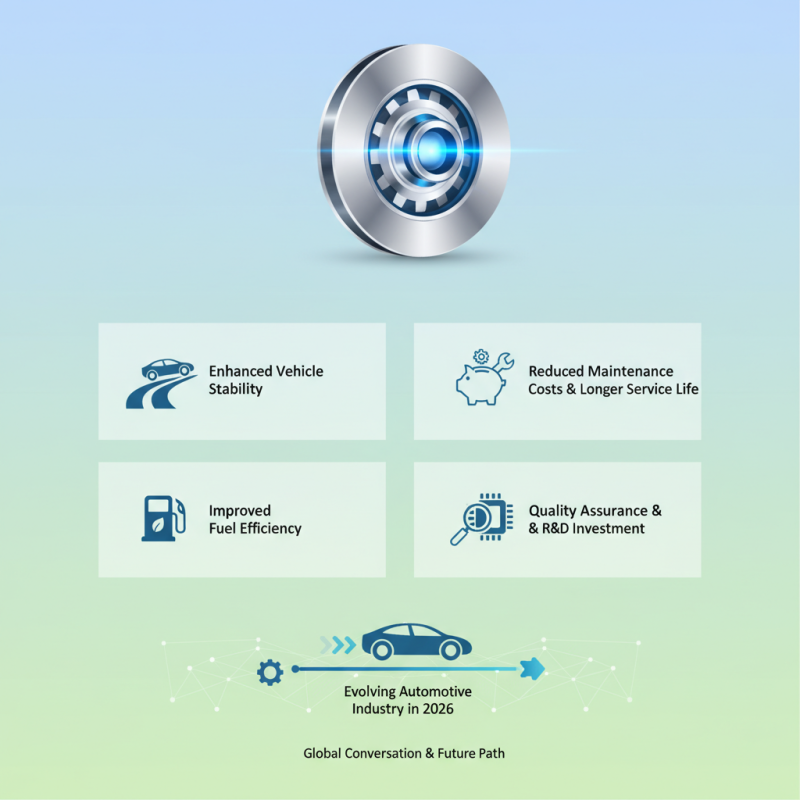
In 2026, the automotive industry is evolving rapidly. wheel hub bearing units are at the forefront of this innovation. These components play a crucial role in vehicle safety and performance. Experts like Dr. Emily Carter, a leading automotive engineer, emphasize their importance: "Wheel hub bearing units are essential for enhancing vehicle stability."
The benefits of wheel hub bearing units extend beyond mere functionality. They contribute to reduced maintenance costs and longer service life. This innovation improves fuel efficiency. However, not all products are created equal. Some may not meet quality standards, leading to potential issues later.
As the industry continues to advance, the need for quality assurance is critical. Manufacturers must invest in research and development. It’s essential to remain vigilant about the components used in production. Improvements in technology promise significant benefits, but there is still a path to navigate. The conversation around wheel hub bearing units is just beginning.
Overview of Wheel Hub Bearing Units and Their Evolution
Wheel hub bearing units have undergone significant evolution in recent years. Initially, these components were simple ball bearings housed in a metal casing. Over time, manufacturers began to enhance their design to improve performance and durability. Today, these units are integrated with advanced materials and technologies. They offer greater reliability and efficiency in various applications.
One notable advancement is the shift from tapered roller bearings to fully integrated units. This development simplifies installation and maintenance. Newer designs often include features like sensors that monitor wheel speed and temperature. Such advancements have made wheel hub bearing units smarter, aiding in better vehicle control. However, this complexity can lead to challenges in repair and replacement. Technicians may need specialized tools to work with these modern systems.
It’s clear that the evolution of wheel hub bearing units marks a step forward in automotive technology. Still, this progress raises questions about long-term sustainability. As vehicles become more dependent on these advanced components, we must consider the environmental impact of their production and disposal. Balancing performance enhancements with ecological concerns is a challenge for manufacturers and consumers alike.
What Are the Benefits of Wheel Hub Bearing Units in 2026? - Overview of Wheel Hub Bearing Units and Their Evolution
| Feature | Description | Benefit |
| Improved Durability | Advanced materials and sealing techniques. | Longer lifespan leads to reduced maintenance costs. |
| Weight Efficiency | Optimized design for lightweight construction. | Reduces overall vehicle weight and improves fuel efficiency. |
| Noise Reduction | Enhanced design minimizes friction and vibration. | Provides a quieter ride for passengers. |
| Easy Installation | Plug-and-play compatibility with various vehicle models. | Decreases labor time and costs during assembly. |
| Enhanced Performance | Optimized bearing geometry for improved load distribution. | Better handling and stability during driving. |
Key Advantages of Wheel Hub Bearing Units in Modern Vehicles
Wheel hub bearing units have become a crucial component in modern vehicles. They combine the wheel bearing and hub into a single unit, simplifying assembly and reducing noise. This streamlined design can lead to improved performance and longevity in various driving conditions.
One significant advantage is the reduction in maintenance needs. These units typically require less frequent servicing than traditional setups. However, when issues arise, they can be complex to diagnose. This complexity might lead to overlooked problems, causing further repairs down the line.
Another benefit is enhanced safety. Wheel hub bearing units help maintain optimal wheel alignment. Proper alignment can improve handling and prevent unwanted wear on tires. Yet, if not properly installed, the benefits can quickly diminish. Drivers must remain vigilant to any signs of unusual noises or vibrations. In doing so, they can enjoy the advantages of these advanced components while ensuring their vehicle remains safe on the road.
Impact of Technological Advancements on Hub Bearing Performance
The advancements in hub bearing technology are revolutionizing performance metrics in 2026. Innovative materials are being integrated to enhance durability. A recent industry report highlights that new synthetic composites increase bearing life by 20%. This not only reduces maintenance costs but also extends the service interval.
Moreover, smart technology is making its way into wheel hub bearing units. Sensors within the units can monitor temperature and load in real-time. This feedback loop allows for predictive maintenance. By analyzing data, companies can forecast potential failures before they occur. This approach can reduce unexpected downtime by as much as 30%. Yet, there’s a catch. Not all manufacturers are ready to adopt this smart technology.
Another area of progress is in noise-reducing design features. New engineering techniques allow for quieter operation. The decrease in noise pollution is a notable benefit for city driving. However, some designs still struggle with excessive wear over time. While the future looks promising, the transition to these advancements is uneven across the industry.
Economic Benefits of Using Wheel Hub Bearing Units in 2026
The economic benefits of using wheel hub bearing units are becoming increasingly evident in 2026. These units streamline manufacturing processes and enhance vehicle performance. According to a recent industry report, adopting wheel hub bearing units can reduce production costs by 15%. This cost efficiency attracts manufacturers aiming for competitive pricing.
In addition, wheel hub bearing units improve fuel efficiency. Vehicles fitted with these units show up to a 10% increase in fuel economy. Consumers are looking for more sustainable options, and this demand is driving manufacturers to innovate. However, the upfront investment in advanced bearing technology can be daunting. Some companies may hesitate, fearing long-term profitability.
Moreover, maintenance costs can be lower with wheel hub bearing units. Their durable design leads to fewer replacements and repairs. A study indicated a 20% decrease in maintenance downtime. Yet, the integration of new technology may challenge traditional processes. Adapting to these changes requires training and investment, which not all companies may be ready to undertake. The balance between initial costs and long-term gains remains a critical discussion.
Environmental Considerations and Sustainability of Hub Bearings
As we move into 2026, the importance of environmental considerations in automotive components cannot be overstated. Wheel hub bearing units are no exception. These components now undergo rigorous scrutiny for their sustainability. Reducing their environmental impact is not just an option; it’s a necessity.
Many manufacturers are exploring eco-friendly materials. Some use recyclable metals and plastics, which minimizes waste and promotes a circular economy. Yet, transitioning to sustainable materials presents challenges. Not all new materials meet performance standards. Finding the right balance is crucial. There are still questions about durability and cost-effectiveness.
In addition, energy efficiency during production is vital. Some factories are adopting renewable energy sources. This shift helps reduce carbon footprints. However, these changes require significant investment upfront. The return on investment may take time. It’s a complex equation between sustainability and profitability. Continuous innovation will play a key role in resolving these dilemmas.