Top 10 Benefits of Using Fusion Welding Machines for Your Projects?
In today’s manufacturing landscape, the use of Fusion Welding Machines is revolutionizing project execution. These machines are known for their efficiency and precision. According to renowned welding expert Dr. Emily Carter, "Fusion welding represents a remarkable leap in welding technology, providing unmatched strength and quality."
Fusion Welding Machines utilize advanced techniques that bond materials at a molecular level. They enhance productivity, ensuring projects meet tight deadlines without compromising quality. With the ability to work on various materials, these machines cater to diverse industrial needs.
However, adopting Fusion Welding Machines poses its challenges. Initial investment costs can be high, and mastering the technology requires skilled technicians. Companies must weigh the benefits against potential learning curves. By acknowledging both advantages and drawbacks, businesses can make informed decisions about integrating Fusion Welding Machines into their operations.
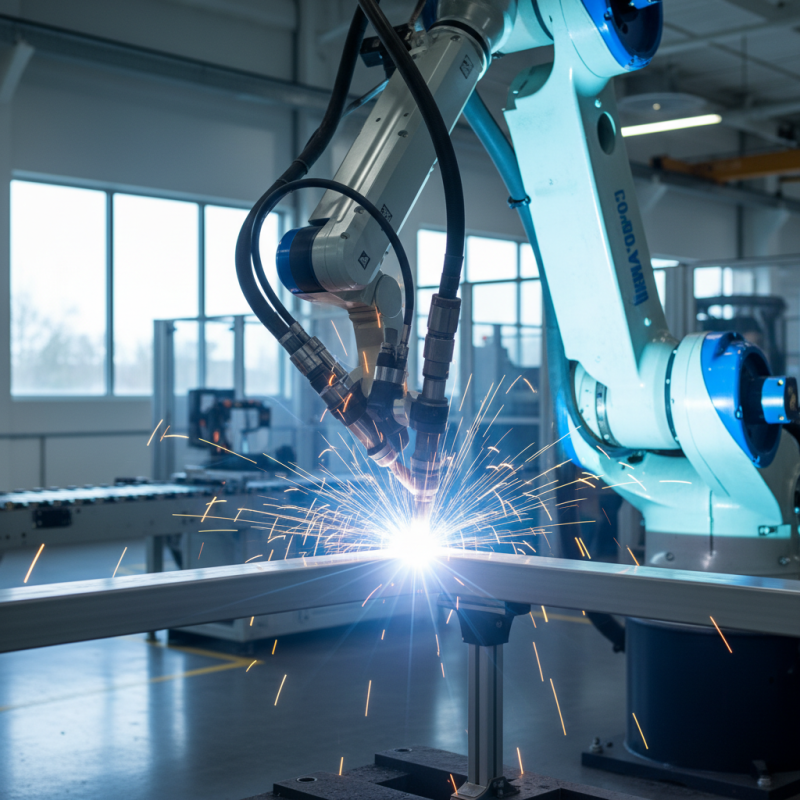
Advantages of Fusion Welding Machines in Various Industries
Fusion welding machines offer numerous advantages across various industries. Their ability to consistently produce strong and reliable joints is a game changer in construction and manufacturing. This technology minimizes the risk of defects, ensuring project longevity and durability. Welds made through fusion techniques can withstand extreme conditions, reducing repair costs and downtime.
In industries like automotive and aerospace, precision is vital. Fusion welding machines excel in delivering high-quality seams, critical for safety and performance. This can lead to innovations in design and engineering. However, issues such as equipment calibration and operator skill levels can impact results. Investing in training and using advanced tools can mitigate these challenges. Continuous learning is essential in staying updated with the latest welding techniques and standards.
Improved Efficiency and Speed in Welding Processes
Fusion welding machines significantly enhance efficiency and speed in various welding projects. According to a recent industry report from the American Welding Society, projects using advanced fusion techniques can achieve productivity improvements of up to 30%. This is crucial for industries that rely on timely project completions. The fast fusion process reduces downtime and allows for quicker turnaround times.
The technology minimizes the heat-affected zone, leading to less distortion and rework. A study from the International Institute of Welding highlights that reduced distortion improves alignment accuracy by over 25%. This not only accelerates production schedules but also enhances the quality of the final products. Furthermore, operators often report decreased fatigue because of less repetitive manual handling. However, it’s essential to ensure that the skill level of operators aligns with the machine capabilities.
While fusion welding machines offer many advantages, there are challenges to consider. Operators must be properly trained to leverage these machines fully. Mismanagement or lack of knowledge can negate the benefits. Long-term reliance on automated processes may also lead to skills fading among workers. This necessitates a balanced approach for sustained efficiency gains.
Enhanced Quality and Strength of Welded Joints
Fusion welding machines have revolutionized the welding process, providing significant advancements in the quality and strength of welded joints. These machines utilize a concentrated heat source, allowing for precise control over the welding process. This results in strong and consistent joints that can withstand high stress and adverse conditions. The improved penetration of fusion welds enhances the bond between materials, leading to superior durability.
Moreover, using fusion welding can minimize defects such as porosity or cracks, which are often detrimental to the integrity of welded structures. The adaptability of fusion welding machines allows them to work with a variety of materials, including metals and plastics. This versatility is essential for projects that demand high-quality outputs. However, training and expertise are critical to maximizing the outcomes. Inexperienced operators may struggle to adjust settings properly, leading to undesired results.
Proper fusion welding techniques can also bolster project timelines. Reduced rework from faulty welds means faster completion of tasks. However, it's crucial to regularly maintain equipment and stay updated on best practices. The learning curve can be steep, and failures can occur. Emphasizing continuous learning and improvement is vital in the welding industry to truly harness the capabilities of fusion welding machines.
Top 10 Benefits of Using Fusion Welding Machines for Your Projects
| Benefit | Description | Impact on Project |
|---|---|---|
| Enhanced Quality | Fusion welding provides consistent and high-quality welds. | Reduces defects and needs for rework. |
| Increased Strength | Creates durable joints that can withstand high stress. | Enhances the overall durability of the project. |
| Cost-Effectiveness | Minimizes material waste and reduces labor costs. | Improves project profitability. |
| Versatility | Suitable for various materials and thicknesses. | Increases project flexibility. |
| Ease of Automation | Fusion welding can be automated for consistent results. | Streamlines production processes. |
| Reduced Heat Affected Zone | Minimizes changes in properties of surrounding materials. | Preserves material integrity. |
| Improved Safety | Less exposure to harmful byproducts compared to other methods. | Promotes a safer working environment. |
| Faster Production Rates | Efficiency allows for rapid project completion. | Improves project timelines. |
| Sustainability | Reduces energy consumption through efficient processes. | Aligns with eco-friendly project goals. |
| Less Post-Weld Treatment | Lower requirements for finishing processes. | Saves time and resources on finishing touches. |
Cost-Effectiveness and Economic Benefits of Fusion Welding
Fusion welding machines provide significant cost-effectiveness and economic benefits for various projects. Studies reveal that fusion welding can reduce labor costs by up to 30%. This reduction is mainly due to the increased speed of welding compared to traditional methods. Employing advanced techniques decreases time on-site and improves overall project efficiency.
Additionally, the materials used in fusion welding are often less expensive. Data shows that using these machines leads to a decrease in waste by 25%. Less waste means more savings, enabling projects to stay within budget. Efficiency in the use of materials also influences environmental sustainability, which is becoming increasingly important in the industry.
However, projects utilizing fusion welding require initial investments in technology and training. This can present a barrier for smaller businesses. Moreover, the following of strict safety protocols is crucial. Inexperienced operators may face challenges, leading to potential errors. Understanding the balance between upfront costs and long-term savings is essential for making informed decisions.
Top 10 Benefits of Using Fusion Welding Machines for Your Projects
This chart illustrates the various economic and cost-effectiveness benefits of utilizing fusion welding machines in projects, highlighting key areas such as cost savings, efficiency, durability, and versatility.
Versatility of Fusion Welding Machines for Diverse Materials
Fusion welding machines are remarkable tools that provide versatility across various materials. These machines can effectively weld plastics, metals, and composites. This adaptability makes them invaluable in industries like manufacturing, construction, and automotive. Many projects benefit from the capability to work with different materials within a single machine.
The process itself is efficient and reliable. Workers can achieve strong, clean welds with ease. However, it requires a learning curve. Proper training is essential to maximize potential. Occasionally, mistakes can occur due to incorrect settings or material preparation. Recognizing and addressing these challenges can enhance proficiency over time.
Experience shows that fusion welding machines can adapt to changing project demands. They cater to both small-scale operations and large industrial setups. This flexibility allows for innovation and creativity in design. However, it is crucial to stay updated with advancements in welding technology. Continuous learning helps keep skills sharp and knowledge relevant, ensuring projects run smoothly and effectively.
Article Source:
CORPORATE HEADQUARTERS
North America
California
AGIC Energy North America LLC
13025 Danielson Street, Suite 105
Poway, CA 92064 – USA
Phone Number: +1 (858) 842 1513
Email: info@site_cc52bd27-560c-4f9d-bd66-63718fc42539
Sales: sales@site_cc52bd27-560c-4f9d-bd66-63718fc42539
